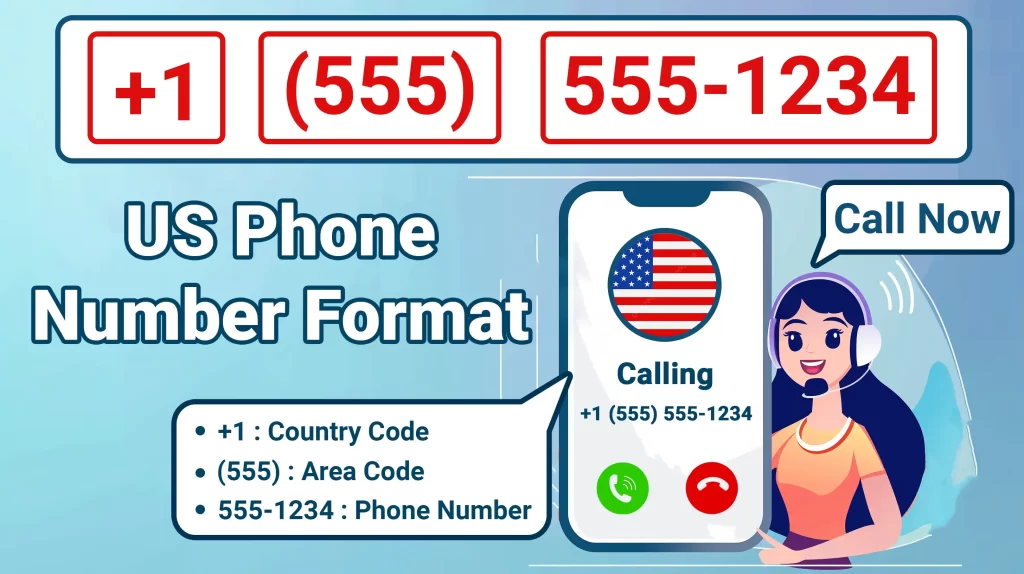
In the vast symphony of modern communication, the United States phone number stands as a unique sonnet, encompassing a blend of digits that transcends mere functionality, echoing across the valleys of technology and personal connection. Each series of numbers weaves a narrative and serves as a conduit, allowing voices to traverse great distances and hearts to remain tethered. Let’s unravel the enigma of a U.S. phone number, exploring its format, structure, and the artful relationship it nurtures between people.
Understanding a U.S. phone number requires a glance into its architecture. Typically formatted as (XXX) XXX-XXXX, where ‘X’ represents a digit, it mirrors the stability of a well-constructed arch. The parentheses encapsulate the area code, a triumvirate of numerals that denote geographic regions. This showcases the extraordinary tapestry of America—every code hints at an origin, whether it be the golden shores of California or the bustling streets of New York City.
Firstly, let us delve into the area code. It serves as the cornerstone of the number. This segment is integral; it not only signifies the locality but also offers a glimpse of cultural nuances, starting with the digits themselves. For instance, area codes that begin with the number 2 are often situated in the southeastern United States, while codes glancing towards the West Coast frequently initiate with the 5 or 6. Each prefix is a mosaic piece representing its environment—think of it as a regional hallmark, an old-fashioned stamp that communicates belonging before the dialing begins.
Navigating further into the structure, we encounter the central office code, the next three digits. This brief interlude within the number acts as the leading character in a novel, directing calls toward specific divisions within an exchange. It is here that the tale unfolds, where connections are made, and conversations blossom. The blend of the area code and central office code narrows the call’s route, akin to using a detailed map to chart the quickest course through traffic-laden streets. The effectiveness of reaching the intended recipient hinges on this combination, making it an indispensable element in the grand play of telecommunication.
Rounding off this numeric symphony are the final four digits, often referred to as the subscriber number. These digits are like the closing verses of a poem—individualistic yet quintessentially a part of an intricate arrangement. Each subscriber number is unique, akin to a fingerprint, ensuring that every communication reaches its destination. These digits, while seemingly mundane, encapsulate identities, aspirations, and connections. They transform impersonal exchanges into intimate conversations and fleeting moments into enduring relationships.
Moreover, the charm of a U.S. phone number lies not merely in its structural delights but also in its capacity to adapt and evolve. In an era characterized by technological advances, the traditional numeric sequence has expanded its wings. Enter VoIP, mobile apps, and virtual numbers—each innovation not only retains the essence of the original format but enhances it. Consider the ease of communication now, where a single tap can connect you with an old friend or a critical business partner regardless of physical location. This evolution speaks to a profound truth: the essence of connection remains immutable, even as the methods of communication transform.
One cannot overlook the emotional resonance that a phone number carries. Beyond the digits, a phone number might evoke nostalgia—memories of cherished conversations and reluctant farewells. It embodies familiarity, comfort, and security, often acting as a lifeline during distressing times. The very act of dialing a number can stir echoes of laughter shared, solemn words whispered, or even sweet nothings exchanged under twinkling stars. In this context, the U.S. phone number transforms into more than a mere sequence—it becomes a bridge to our past, a pathway guiding us to the cherished moments that define us.
For those who embark on the journey of acquiring a U.S. phone number, it can feel like entering a lively carnival, vibrant and full of choices. From local providers to nationwide services, the selection is both captivating and overwhelming. The allure of obtaining a number is akin to selecting a costume in a theatrical production, where each choice bears significance, implying community and accessibility. Whether one chooses an unlisted number—adding an aura of exclusivity—or a traditional one that beckons familiarity, each selection is laden with meaning.
Furthermore, as globalization intertwines cultures, the essence of U.S. phone numbers has begun to adopt variance. The international format, which includes a “+” sign followed by country codes, carves pathways for worldwide communication. The +1 code, signifying the United States, encapsulates an invitation for global dialogue, enabling people from different continents to connect effortlessly. This transitional journey symbolizes the remarkable ability of numbers to adapt, grow, and foster relationships across bustling borders, showcasing the universal desire for connection.
In conclusion, the U.S. phone number serves as much more than a tool for communication; it is a masterpiece of modern society, a delicate balance between technology and human emotion. Each digit plays a role in constructing narratives that enrich lives and promote connections across distances. As we engage with this unique series of numbers, let us appreciate the artistry within its structure and the profound connections it facilitates. The next time you dial, pause for a moment and reflect on the digital tapestry that has unfolded with every number pressed—an intimate sonnet linking souls in a boundless sea of communication.