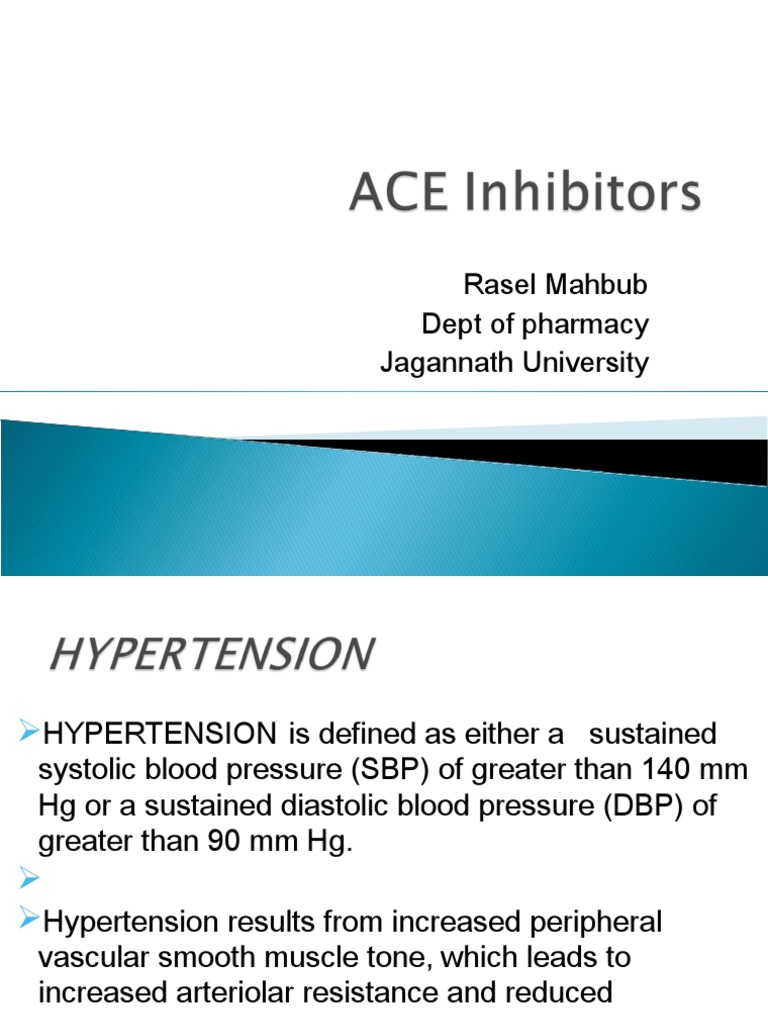
Angiotensin-Converting Enzyme (ACE) inhibitors represent a remarkable category of medications, primarily employed in the management of hypertension and heart-related ailments. Among the numerous ACE inhibitors available, Enalapril stands out as a quintessential example, revolutionizing patient care and radically shifting therapeutic perspectives.
Enalapril exerts its pharmacological effects through a unique mechanism that targets the renin-angiotensin-aldosterone system (RAAS), crucial in maintaining cardiovascular equilibrium. When the renal system detects decreased blood flow or low blood pressure, it responds by releasing renin, an enzyme that converts angiotensinogen, a liver-produced protein, into angiotensin I. Subsequently, angiotensin I is transformed into angiotensin II by the enzyme ACE, leading to vasoconstriction and increased fluid retention – a cascade effect that ultimately elevates blood pressure. Enalapril inhibits ACE, thereby curtailing the synthesis of angiotensin II, promoting vasodilation and reducing blood volume, which significantly lowers blood pressure.
The inception of Enalapril in the pharmaceutical arena marked a transformative juncture in treating not only hypertension but also heart failure. Approved for use in the early 1980s, it soon became synonymous with efficacy and safety in cardiology. Numerous studies have corroborated its effectiveness, revealing a substantial reduction in morbidity and mortality amongst patients with congestive heart failure and those at high cardiovascular risk. This compelling narrative of success nourishes the curiosity surrounding ACE inhibitors like Enalapril, prompting both healthcare professionals and patients to delve deeper into their benefits.
Adhering to an Enalapril regimen can be a nuanced experience, one that blends clinical oversight with patient autonomy. It is often prescribed in conjunction with diuretics or calcium channel blockers, aiming to create a symphony of synergistic effects that bolster cardiovascular health. The potential of Enalapril is further amplified in its combination therapies, enabling healthcare providers to tailor interventions meticulously based on individual patient profiles, thus enhancing therapeutic outcomes while minimizing side effects.
Among the plethora of benefits associated with Enalapril, one aspect that captivates attention is its renal protective effects. In patients with diabetes mellitus or those exhibiting signs of renal dysfunction, Enalapril plays a pivotal role in slowing the progression of diabetic nephropathy. By modulating intraglomerular pressure and ameliorating hyperfiltration, it fosters a unique paradigm shift, showcasing how a medication can safeguard renal function while concurrently addressing hypertension.
Delving into the pharmacokinetics of Enalapril reveals a fascinating interplay between absorption and metabolism. Upon ingestion, it undergoes hepatic conversion to its active form, Enalaprilat, which is responsible for the inhibitory action on ACE. Its relatively long half-life allows for once-daily dosing, thus enhancing patient compliance and affording a degree of practicality that is often coveted in chronic disease management. However, careful consideration must be given to patients with renal impairment, as dosages may require adjustment to sidestep potential toxicity.
While the therapeutic advantages of Enalapril are compelling, it is prudent to acknowledge the spectrum of adverse effects that accompany its use. Common side effects include a persistent dry cough, which can be bothersome for many patients. This occurs due to increased bradykinin levels, a byproduct of ACE inhibition. Moreover, hyperkalemia, characterized by elevated potassium levels, necessitates regular monitoring, particularly in those concurrently taking potassium-sparing diuretics or supplements. Rarely, angioedema, a potentially life-threatening condition, may manifest, thereby underscoring the importance of vigilance in clinical practice.
The contribution of Enalapril to the broader medical landscape cannot be overstated. Its legacy is encapsulated in the abundant clinical evidence supporting its role in enhancing longevity and quality of life for patients with cardiovascular conditions. Consequently, it serves as a cornerstone in the management of hypertension, prompting the exploration of adjunctive therapies that can be leveraged to optimize individual patient outcomes.
Furthermore, the exploration of genetic factors influencing patient responses to ACE inhibitors is an exciting frontier that beckons the attention of researchers and clinicians alike. Variations in the ACE gene may affect an individual’s responsiveness to Enalapril, paving the way for personalized medicine that incorporates genetic profiling to refine treatment strategies. This adaptation not only aligns with the evolving landscape of pharmacogenomics but also promises a more tailored approach to hypertension management.
In conclusion, Enalapril epitomizes the versatility and efficacy of ACE inhibitors, promising a paradigm shift in the treatment of cardiovascular disorders. Its multifaceted benefits, from lowering blood pressure to protecting renal function, create an enticing narrative that compels investigation and application. As healthcare continues to advance, the integration of medications like Enalapril into therapeutic regimens will remain a pivotal aspect of improving health outcomes, ultimately fostering a deeper understanding of the intricate mechanisms at play within the cardiovascular system. The journey of Enalapril is not merely a tale of a drug; it is a testament to the transformative power of medicine, urging both clinicians and patients to embrace the possibilities that lie ahead in the realm of cardiovascular health.