In the realm of academia, few tools are as crucial in creating a bridge between scholarly texts and the reader as the annotated bibliography. It serves not only as a list of sources but also as a navigation tool through the intellectual landscape of a given topic. Imagine having a map that not only shows you the terrain but also highlights points of interest—this is precisely what an annotated bibliography promises to deliver.
At its core, an annotated bibliography consists of citations followed by brief descriptions or evaluations of each source. This combination enriches the bibliographical entries, enhancing their utility far beyond mere listing. Engaging with an annotated bibliography allows readers to grasp the context and relevance of each source quickly, fostering an informed understanding of the subject matter.
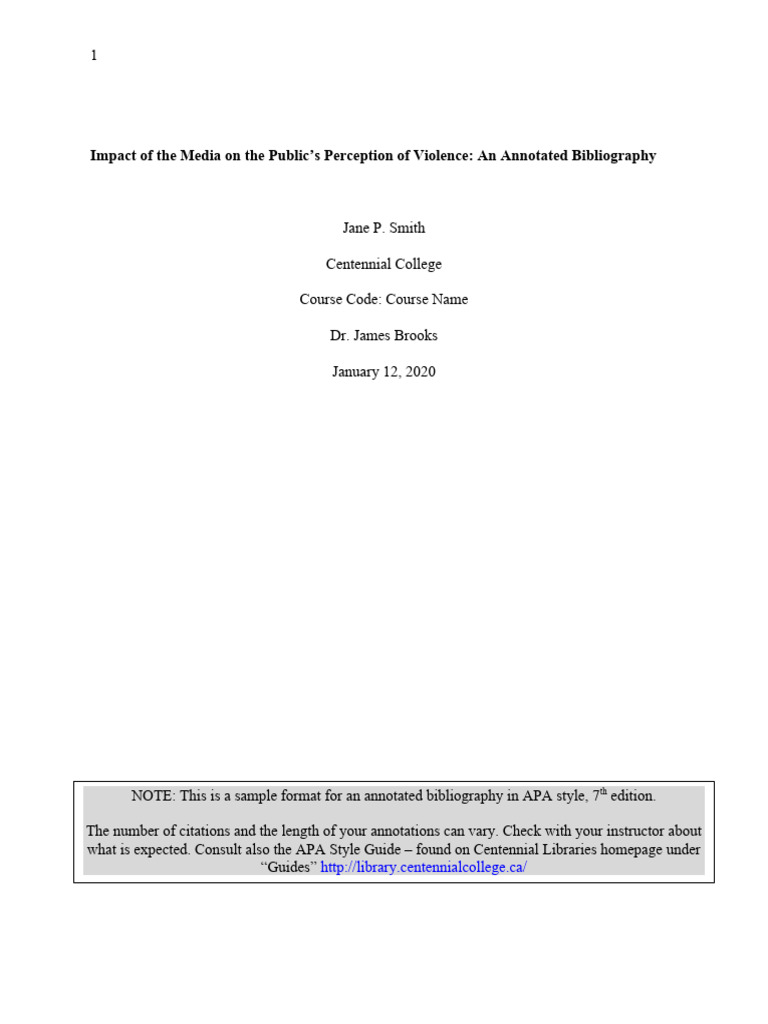
What does an effective annotated bibliography look like? The answer lies in its meticulous structure and the depth of its annotations. Each entry typically includes the citation in a designated format—be it APA, MLA, or Chicago—followed by an annotation that can vary in length and purpose. The annotations themselves may include summaries, evaluations, and reflections on how the source fits into the broader discourse.
For instance, consider an annotated bibliography focused on climate change. A citation might refer to a pivotal study published in a peer-reviewed journal. The accompanying annotation could summarize the study’s findings, delve into the methodology employed, and discuss its implications for future research. Such an entry not only cites the work but also engages critically with it, illustrating the intricate web of scholarship that surrounds the topic.
Moreover, the scope and depth of the annotations can vary significantly. A succinct annotation might simply summarize the primary arguments of the source, whereas a more expansive discussion could assess the validity of the claims, critique the author’s stance, or even suggest further readings. This spectrum of engagement invites curiosity, positioning the reader as an active participant in the scholarly conversation rather than a passive consumer of information.
The process of creating an annotated bibliography compels researchers to synthesize information. As one grapples with the details of each source, they are challenged to distill complex ideas into comprehensible insights. This intellectual endeavor fosters a greater understanding of the thematic currents that shape the discourse while allowing researchers to juxtapose diverse viewpoints in a single framework.
In practical application, annotated bibliographies are invaluable across various arenas of academic scholarship. Scholars, students, and practitioners alike can benefit immensely from this format. They are a fundamental resource not only for literature reviews but also for research proposals, guiding readers through the essential texts that inform a proposed study.
But the utility of an annotated bibliography extends beyond academia. In public discourse, where information is often fragmented, an annotated bibliography can serve as a foundational resource that illuminates the salient points of complex societal issues. For instance, a curated set of annotated sources addressing public health can enhance understanding of underlying factors that influence health disparities. In a world inundated with information, this structure offers clarity and context.
It is essential to highlight the art of crafting effective annotations. The writing must strike a delicate balance between clarity and conciseness. Excessive detail can overwhelm, while insufficient context may render the annotation ineffective. A well-crafted entry enables the reader to discern the significance of the work without being swamped by superfluous information.
Furthermore, the choice of sources in an annotated bibliography is paramount. A diverse collection of scholarly articles, books, and reputable web sources can facilitate a multi-faceted understanding of the topic. This diversification reflects the complexity of real-world issues, inviting readers to ponder different perspectives. By weaving together different strands of thought, an annotated bibliography can shift perceptions and stir thoughtful dialogue.
Moreover, the act of annotating forces one to reevaluate their stance toward the material. Each annotation encourages a critical interrogation of the source, prompting questions such as: What are the biases present? How does this work compare to other literature on the topic? In this way, an annotated bibliography serves as both a repository of knowledge and a lens through which to view the evolving conversation around a subject.
As we consider the growing body of knowledge in the digital age, the importance of annotated bibliographies only intensifies. With a deluge of information available at our fingertips, discerning quality sources is more challenging than ever. Annotated bibliographies can serve as a gatekeeping mechanism, aiding in the critical evaluation of information, guiding readers toward rigorously vetted and relevant scholarship.
In conclusion, an annotated bibliography is much more than a simple compilation of sources; it is a dynamic tool that invites engagement, elucidates complexity, and fosters intellectual discourse. Whether in academia or broader societal discussions, it has the potential to shift perspectives and stimulate curiosity. An expertly crafted annotated bibliography is not only a testament to thorough research but also an invitation to delve deeper into the intricacies of a subject, encouraging readers to explore beyond the surface and engage thoughtfully with the world around them.