Argumentative essays stand as a formidable genre within the realm of academic writing. They compel writers to traverse beyond mere opinion, demanding an incisive synthesis of evidence and the cogent presentation of contrasting viewpoints. This intricate art of persuasion transforms mundane topics into compelling narratives that can shape opinions, spark dialogues, and influence societal perspectives. In this exploration, we delve into the multifaceted nature of argumentative essays, elucidating the various forms they can take and the diverse contents readers can anticipate.
At the core of an argumentative essay lies a concise thesis statement. This pivotal element encapsulates the author’s primary stance on the chosen issue, providing a clear lens through which the reader can navigate the ensuing arguments. The formulation of this thesis is an exercise in precision. A well-articulated thesis not only asserts the writer’s position but also outlines the main points that will substantiate this argument. This clarity serves as the backbone for a structured progression of thought, which is essential in argumentative writing.
One common format that emerges within argumentative essays is the classical structure, which typically comprises an introduction, multiple body paragraphs, and a conclusion. The introduction serves to contextualize the issue at hand, framing it within a larger societal or literary discourse. A captivating opening hook, whether it be a striking statistic, an anecdote, or a controversial quote, draws the reader in and piques their curiosity. Alongside this, the introduction delineates the background information necessary for understanding the inherent complexities of the topic.
Transitioning into the body of the essay, the writer delineates their arguments, often organized in a logical progression from the strongest to the weakest. Each paragraph typically begins with a topic sentence that succinctly states the main argument for that section. This is followed by supporting details, which may include empirical data, expert testimonials, and real-world examples. Such evidence not only bolsters the argument but also lends credibility to the writer’s stance. Consideration of counterarguments is another cardinal aspect of a robust argumentative essay. Addressing opposing viewpoints not only enriches the discussion but demonstrates a comprehensive understanding of the topic, allowing the writer to refute these notions with dexterity and poise.
Within the realm of argumentative writing, various types exist, each suited to different audiences and objectives. For instance, an **analytical argumentative essay** focuses on dissecting a particular issue, employing a critical lens to appraise the merits and shortcomings of a position. In contrast, a **persuasive argumentative essay** amplifies the emotional appeal, attempting to sway public opinion through passionate rhetoric akin to a call to action. Such essays often prioritize audience engagement, utilizing vivid imagery and evocative language to resonate with readers on an emotional level.
Another intriguing variation is the **comparative argumentative essay**. This form examines two or more perspectives on a single issue, analyzing their similarities and differences. By juxtaposing these standpoints, the writer can draw nuanced conclusions about the validity of each argument. This approach encourages readers to consider the spectrum of opinions and enhances critical thinking skills as they evaluate the merits of each side.
In the exploration of argumentative essays, rhetorical strategies play an indispensable role. The use of ethos, pathos, and logos lays the groundwork for a compelling argumentative piece. Ethos establishes the credibility of the writer, often achieved through the inclusion of credentials, ethical considerations, and established authority in the field. Pathos taps into the emotional reservoir of the reader, crafting narratives that evoke feelings of empathy, outrage, or inspiration. Logos employs logical reasoning, compelling the audience through rational arguments backed by factual evidence. A harmonious blend of these rhetorical appeals engenders a more persuasive essay that resonates deeply with readers.
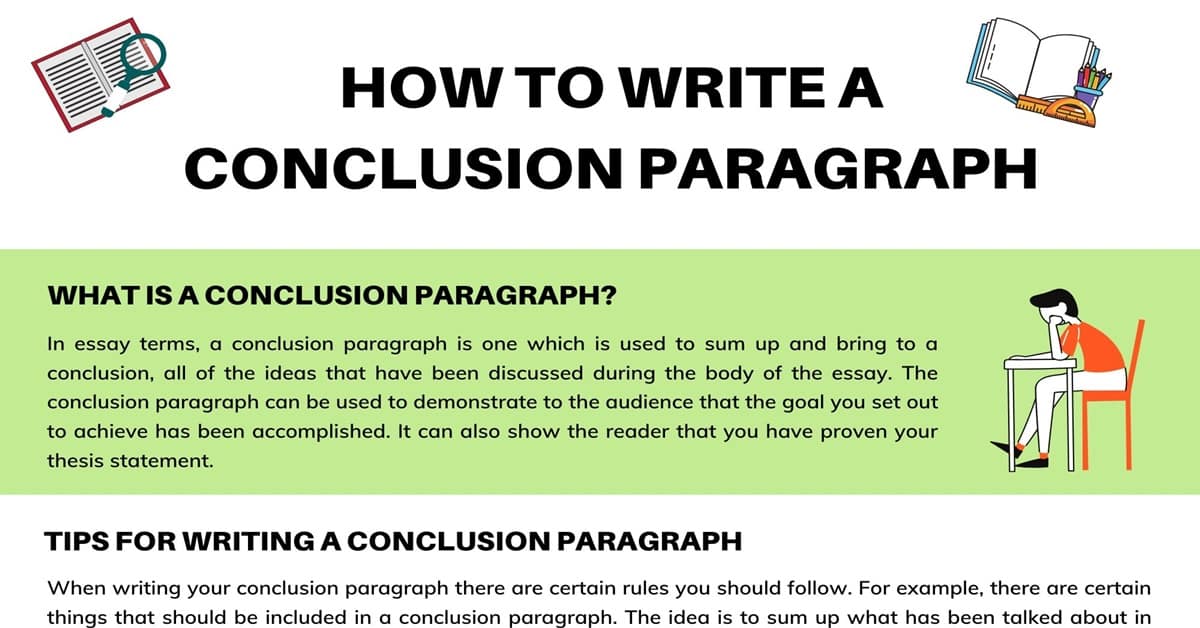
The conclusion of an argumentative essay serves as the final opportunity to reinforce the significance of the argument. A well-crafted conclusion reiterates the thesis in light of the arguments presented, synthesizing the discussion in a manner that enlightens rather than simply summarizes. It invites readers to ponder the implications of the arguments and poses provocative questions that encourage further reflection or action. A surprising call to action can also be an effective conclusion, urging readers to take a stand, advocate for change, or engage in meaningful discourse on the subject matter.
Finally, it is essential to consider the style and tone of argumentative essays. Academic writing often embraces a formal tone, characterized by precise language, objective phrasing, and avoidance of colloquialisms. However, this does not preclude writers from infusing their essays with individual flair or passion for the subject. Crafting a voice that balances authority with relatability can significantly impact the engagement levels of the audience and elevate the overall quality of the essay.
In summation, the landscape of argumentative essays is as diverse as it is rich, providing readers with a kaleidoscope of perspectives on contentious issues. From the classical structure and varied forms to the integral use of rhetorical strategies and stylistic considerations, these essays exemplify the power of the written word to influence thought and inspire change. Readers embarking on this literary journey can expect an abundance of insights, a rigorous examination of prevailing issues, and the intellectual stimulation that arises from grappling with the complexities of argumentation.