In the realm of literature, one often encounters a myriad of genres, each with its distinct flair and purpose. Among these, informational texts serve a crucial role in conveying factual data, explanations, and insights, often igniting curiosity in the reader. An example of such an informational text can be found in the realm of educational materials, where authors meticulously compile data on diverse subjects, unraveling the complexities of our world.
### The Essence of Informational Text
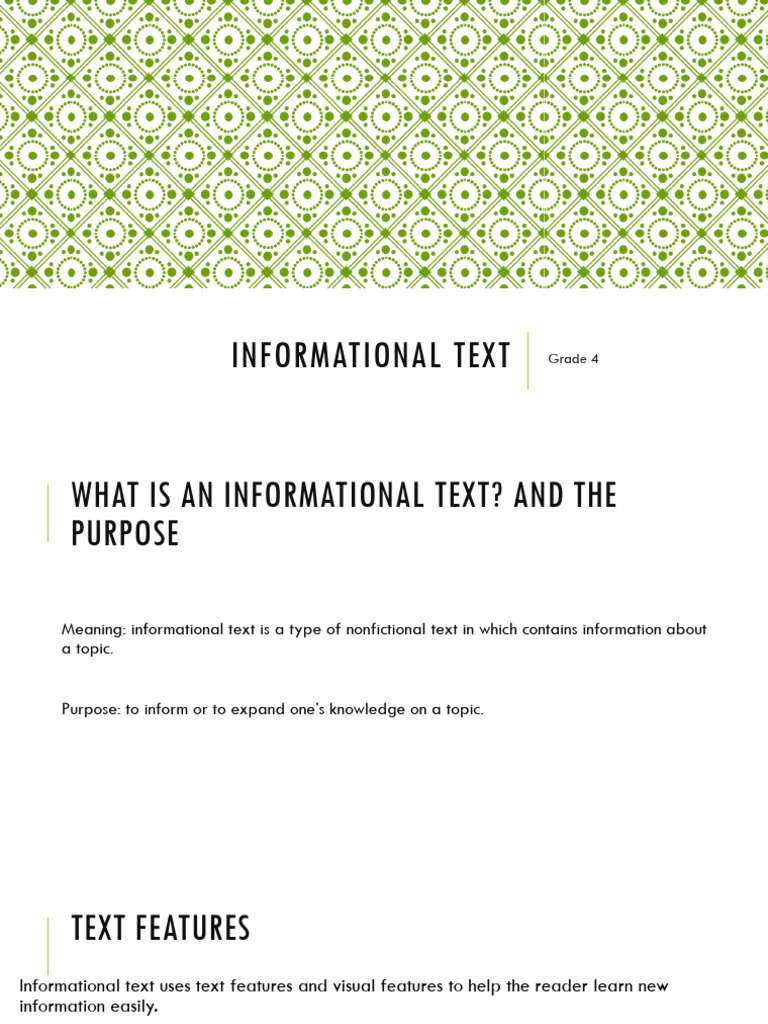
Informational texts are crafted with the intention of enlightening the audience. Unlike narrative works that bask in creative storytelling, these texts prioritize clarity, coherence, and factual integrity. They serve as a window into various fields, be it science, history, or technology, elucidating the intricacies that govern our existence. At their core, they fulfill an intrinsic human desire to comprehend the environment around us.
### Structure and Features
What sets informational texts apart is their distinctive structure, which typically includes headings, bullet points, and diagrams. This organization is not merely aesthetic; it serves to enhance understanding and retention. Readers navigating through these texts can easily locate vital information, fostering a more engaging learning experience.
Moreover, the language employed is precise and unambiguous, often interspersed with terminology specific to the subject at hand. This linguistic choice not only informs but also challenges the reader to expand their vocabulary and comprehend specialized concepts. In many instances, a glossary accompanies the text, providing definitions and context to ensure accessibility.
### Engaging the Audience
Despite the objective nature of informational texts, they possess an inherent ability to captivate. The selection of topics often mirrors societal interests or urgent inquiries, such as climate change, technological advancements, or historical events. By addressing contemporary issues, authors tap into a shared consciousness, rendering the subject matter not only relevant but profoundly engaging.
Take, for instance, a text on the impact of artificial intelligence on modern life. The mere mention of AI conjures a plethora of images—autonomous vehicles gliding through busy streets, chatbots simulating human interaction, and algorithms predicting consumer behavior. Through these vivid examples, readers are drawn into a world that oscillates between fascination and trepidation.
### Delving Deeper: The Fascination Beyond Facts
While the surface of an informational text is steeped in facts, there exists a deeper layer that hints at broader implications. Delving into the text about artificial intelligence, one might find insights into the ethical dilemmas posed by automation, concerns surrounding job displacement, and the ongoing debate about privacy in a data-driven society. This exploration presses the reader to ponder not just the “what” but the “why” and “how,” igniting a quest for understanding that transcends the mere acquisition of knowledge.
Furthermore, the format often accommodates various viewpoints, juxtaposing contrasting opinions to cultivate critical thinking. This multifaceted approach encourages a dialogue between the author and the reader, fostering a sense of community in the pursuit of knowledge.
### The Role of Visuals and Data
Incorporating visuals—such as charts, graphs, and infographics—profoundly enhances the effectiveness of informational texts. These elements serve as visual anchors, facilitating comprehension of complex data and allowing for immediate information absorption. For instance, a graph depicting the rise of global temperatures over the past century can evoke a visceral reaction, moving readers beyond intellectual engagement into emotional territory. The intersection of visuals and text operates to reinforce and amplify the message, ensuring that the facts resonate on multiple levels.
### Practical Applications in Everyday Life
Informational texts manifest in various formats, ranging from textbooks and articles to online blogs and reports. They serve as indispensable tools in academia, empowering students to explore and scrutinize topics with academic rigor. In professional settings, they guide decision-making, informing strategies and directing organizational initiatives. For the general public, these texts ripple through daily interactions, equipping readers with information to navigate discussions—from environmental sustainability to technological innovations.
Moreover, they can serve as a catalyst for action. A well-articulated informational text about the devastating effects of plastic pollution can inspire initiatives, lobby for policy changes, and ignite grassroots movements aimed at ushering in a more sustainable future. Herein lies the potential of informational texts—not merely as vessels of information but as beacons of possibility.
### Conclusion: An Invitation to Explore
In conclusion, informational texts are vital conduits of knowledge that not only furnish readers with facts but also invite them to delve into deeper questions and explorations. They offer an invitation to embark on a journey of understanding, enriching our perception of the world. As the fabric of society grows more intricate, with the challenges we face becoming increasingly complex, the role of informational texts will remain indispensable. They will continue to spark curiosity, encourage critical thinking, and illuminate pathways toward enlightened discourse. Ultimately, the beauty of an informational text lies in its power to bridge the gap between raw data and meaningful comprehension, breathing life into knowledge and fostering a more informed populace.