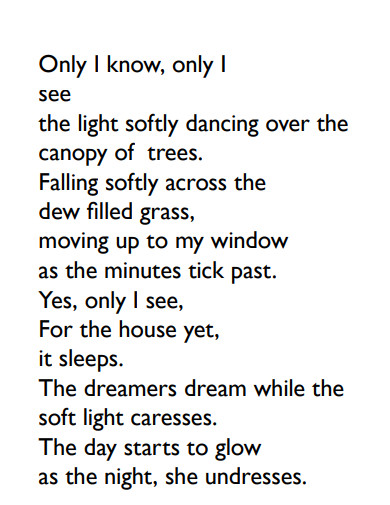
In the vast panorama of poetic forms, the ode holds a special stature, exuding a grandeur that invites both admiration and deep reflection. Odes are lyrical poems that express enthusiastic approval, veneration, or profound reverence for a subject that inspires the poet. Engaging with an ode invites readers to step into the poet’s shoes, to appreciate the sublime beauty of their focal point, and to explore the emotional landscape that unfolds through carefully crafted verse. This article endeavors to illuminate the essence of odes in poetry, starting with a historical overview, followed by structural elements, themes, and an evocative example that encapsulates the spirit of this esteemed form.
Historical Context of the Ode
The origins of the ode can be traced back to ancient Greece, where poets like Pindar and Sappho composed fervent tributes to gods and heroes. These early odes were characterized by their elaborate style and lofty language. With the Renaissance came a resurgence of the ode, championed by luminaries such as John Keats and Percy Bysshe Shelley, who infused this genre with Romantic ideals. They focused on themes of beauty, nature, and transcendence, leveraging the ode’s formal structure to convey their reverence for the sublime. The shift from classical forms to more personal and introspective odes marked a pivotal moment in poetic evolution, allowing poets to explore their sentiments more intimately.
Structure of the Ode
Odes possess a unique structural complexity that enhances their eloquence. They are often divided into three primary sections: the strophe, antistrophe, and epode. The strophe presents the initial thoughts or observations about the subject. Then, the antistrophe follows, often reflecting on the strophe’s ideas, creating a dialogue of sorts between emotions and intellect. Finally, the epode serves as a conclusion or philosophical contemplation, marrying the themes presented with an overarching insight. This structure allows for a dynamic exploration of the subject, encouraging readers to journey alongside the poet through varying sentiments and reflections.
A traditional ode might also adhere to specific metrical schemes, which lend a rhythmic musicality to the reading experience. This disciplined format contrasts with the free verse styles of contemporary poetry, yet both persuasive techniques serve different artistic purposes. The ode, steeped in tradition, often carries with it an air of gravitas that commands attention.
Themes Explored in Odes
One of the most captivating aspects of odes is their thematic versatility. While many odes celebrate external subjects – nature, beauty, love, or even abstract concepts such as time and mortality – they can also delve into the poet’s internal emotional landscape. The recurrent theme of transformation is particularly significant; odes often depict not just the object of admiration but the profound effect it has on the observer. A single landscape, for instance, becomes a mirror reflecting the poet’s desires, fears, and ultimate understanding of existence.
Moreover, odes frequently encapsulate nostalgia, as poets reflect on fleeting moments imbued with beauty. This theme resonates deeply within readers, invoking a bittersweet acknowledgment of the transient nature of life. In connecting celebration with contemplation, odes invite readers to ponder their own experiences and emotions, generating a rich, introspective dialogue between text and audience.
An Example of an Ode
To illustrate these concepts, let’s consider an ode to the sun, a quintessential subject for this distinguished form. Imagine an ode titled “An Ode To The Sun: And Other Poems,” which serves as a tribute not only to the sun as a celestial body but also as a metaphor for enlightenment, warmth, and vitality.
In the initial strophe, the poet might extol the sun’s radiance, marveling at its ability to awaken the world from slumber:
“O luminous sphere, you rise in golden splendor,
Chasing shadows across the fields of green,
With tender rays that mend the morning’s chill,”
With vivid imagery, the poet evokes a landscape bathed in light, where the sun acts as a rejuvenating force. This first section establishes a deep admiration, creating an emotional foundation that binds the readers’ attention.
Transitioning into the antistrophe, the poet contemplates the myriad emotions the sun stirs within the soul. Here, the ode may explore the themes of hope and despair, noting how the sun serves as a guiding light through tumultuous times:
“Yet in your setting, shadows stretch and creep,
Haunting whispers of dusk in quiet despair,
A reminder that light, too, must yield to darkness.”
This reflective perspective crystallizes the duality of existence – the interplay of jubilation and melancholy that defines the human experience.
Finally, the epode synthesizes these sentiments, offering a philosophical meditation on the sun’s omnipresence and its role in cyclical renewal:
“Embrace the dawn, and let your spirit soar,
For in the sun’s embrace, we find rebirth,
A cycle eternal, ever bright, ever sure.”
Through this ode, the readers are beckoned not only to appreciate the stunning imagery and rhythm but also to engage in a deeper conversation about the intertwined nature of light and darkness. It becomes a shared exploration of life’s impermanence and the role of inspiration in navigating it.
Conclusion
In the realm of poetry, the ode emerges as an unparalleled expression of admiration, reflection, and philosophical inquiry. It transcends mere description, illuminating the profound connections between the observer and the observed. Through structure, thematic depth, and memorable examples, odes captivate hearts and minds, inviting participants into a dance of emotion that celebrates the beauty of existence. The exploration of the ode serves as a reminder of the power of words to shape perspectives, kindle curiosity, and provoke thought, all while crafting a lasting legacy of poetic brilliance.