
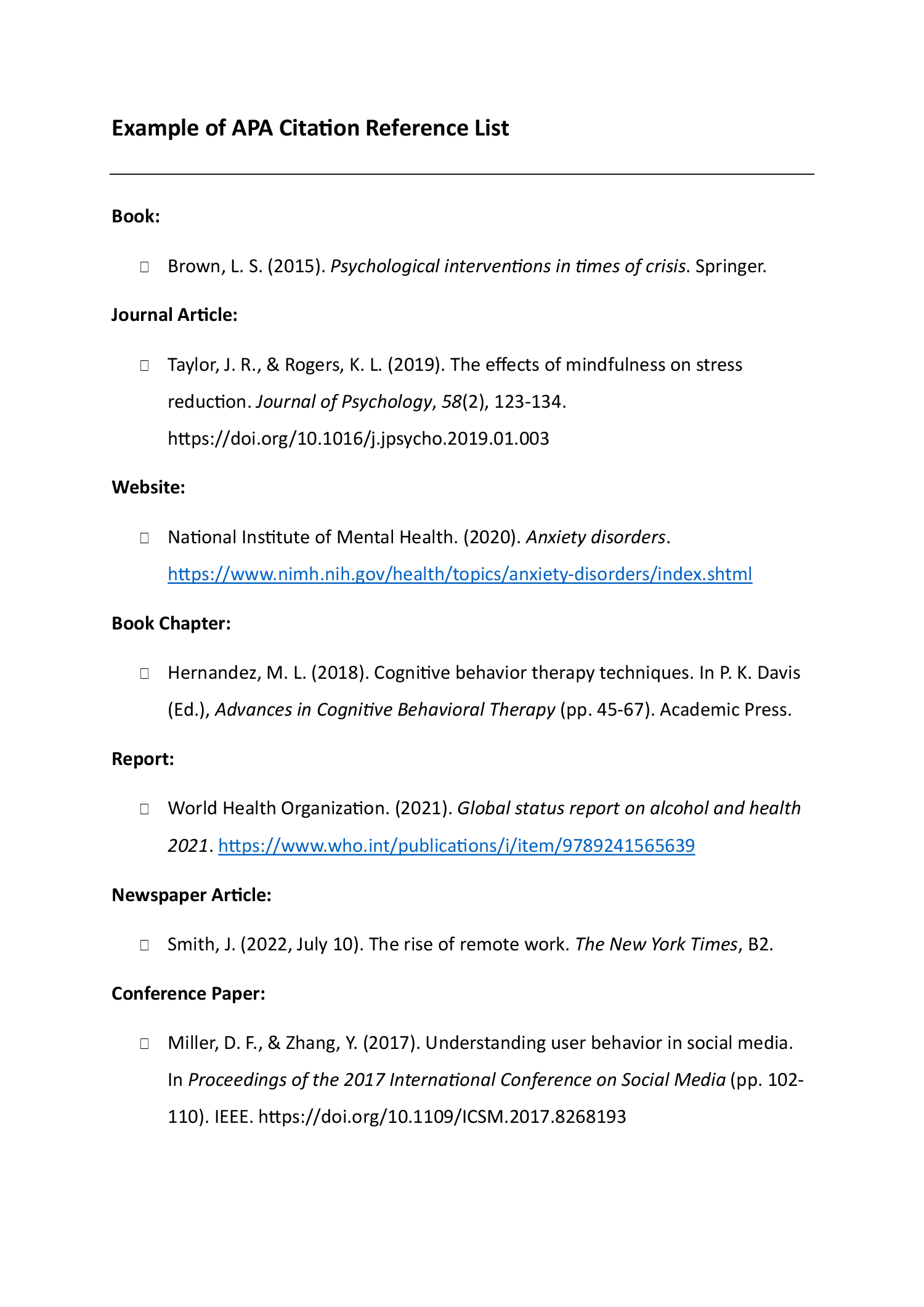
A citation reference list in APA format serves as a navigational chart—a meticulously crafted map guiding readers through the expansive sea of literature. It offers a safe harbor where scholars can dock, gathering and exploring the meticulously cataloged works that form the foundation of academic research. Like the rhythm of a symphony, each citation harmonizes with the others, creating a cohesive melody of discourse and discovery, vital for the ongoing dialogue of knowledge.
Embarking on the journey of constructing an APA citation reference list begins with understanding its fundamental components. At its core, this list functions not merely as a collection of sources but as an intricate tapestry—each thread representing the intellectual contributions of various authors, woven together to support your own scholarly assertions. Just as a single thread can either add depth or unravel the entire piece, each entry holds the potential to bolster credibility or compromise authenticity.
To master the APA format, one must grasp its various elements. The fundamental structure typically includes the author’s name, the year of publication, the title of the work, and the source. The author’s surname and initials intertwine like dance partners at a ball, guiding us toward appreciating the original creator’s intellectual choreography. When an author’s name is followed by their publication date, it is akin to placing a timestamp on a moment of inspiration, anchoring the work historically and contextually.
The title—often the pièce de résistance of any reference—possesses the power to encapsulate the essence of the work with mere syllables. Written in italics for books and reports, or in plain text for articles, the title lays bare the thematic heart of the text. This is your chance to convey the allure of the source to potential readers, enticing them to dive deeper into its pages. Furthermore, for works that are part of a larger body, such as chapters in edited volumes, the title must elegantly bow to its parent source, showcasing the necessary hierarchy and connection.
In addition to the core components, the source often dictates how the citation is organized. When referencing books, the publisher’s details reign supreme, echoing across the academic landscape. Articles from journals demand a volume number and page range, marking their fleeting nature within the expansive timeline of research. Websites, on the other hand, require URLs or DOIs, acting as beacons signaling where one can embark on a digital voyage to access the work. Each layer—author, date, title, and source—dresses the citation in scholarly attire, preparing it for formal presentation within the reference list.
The intricacies of the APA citation format are not merely for show; they serve a greater purpose of fostering academic integrity. By meticulously cataloging sources, researchers engage in a dance of intellectual honesty, allowing others to trace their steps back to the original ideas and data upon which their arguments rest. In this age of information, where ideas can often drift like ships lost at sea, the APA reference list is an anchor, grounding scholarship amidst the vast ocean of thought.
When compiled, an APA citation reference list resembles a treasure map, marked with X’s—each citation signifying a notable contribution. As you compile your references, consider the arrangement akin to a strategically plotted course across undiscovered territory. Alphabetically ordered by the last name of the first author, entries should flow seamlessly, allowing readers to navigate effortlessly. This deliberate arrangement aids in clarity, ensuring the scholarly community can find their way through the intricate waters of research.
To illustrate the beauty of a meticulously stenciled APA citation reference list, consider an example:
- Smith, J. A. (2023). The Art of Citation: A Guide to Scholarly Writing. Academic Press.
- Brown, L. M. (2021). The impact of global warming on marine ecosystems. Journal of Marine Science, 12(4), 345-367. https://doi.org/10.1234/jms.2021.4567
- Jones, R. P. (2019). Historical analyses of social behavior in humans. Retrieved from https://www.socialresearch.org/hist-analyzes
This example serves not just to instruct but to inspire. Each citation acts like a footstep in a path less traveled, every source contributing to the grand narrative of discovery. In a world that sometimes feels overrun with information, the APA reference list stands as an oasis—a place where meticulous care has transformed chaotic data into actionable knowledge.
Moreover, the act of creating this list can be reflective, akin to a pilgrimage for a scholar. Each source selected for inclusion should be carefully evaluated, considered not just for its content, but for its alignment with your thesis. This reflection fosters a deeper engagement with the material, transforming the process from mere busywork into an essential component of the scholarly enterprise.
As you pen your reference list, remember, the task is not simply to fulfill an academic requirement. It is an opportunity to craft a personalized guide through the realms of literature. Within the lines of your citations lies not just bibliographic information, but an invitation to glean insights from various voices that enrich your work. In this way, your APA citation reference list becomes a vital narrative device, harmonizing your contributions with the broader academic discourse, preserving not just the past, but informing the futures of inquisitive minds.













