
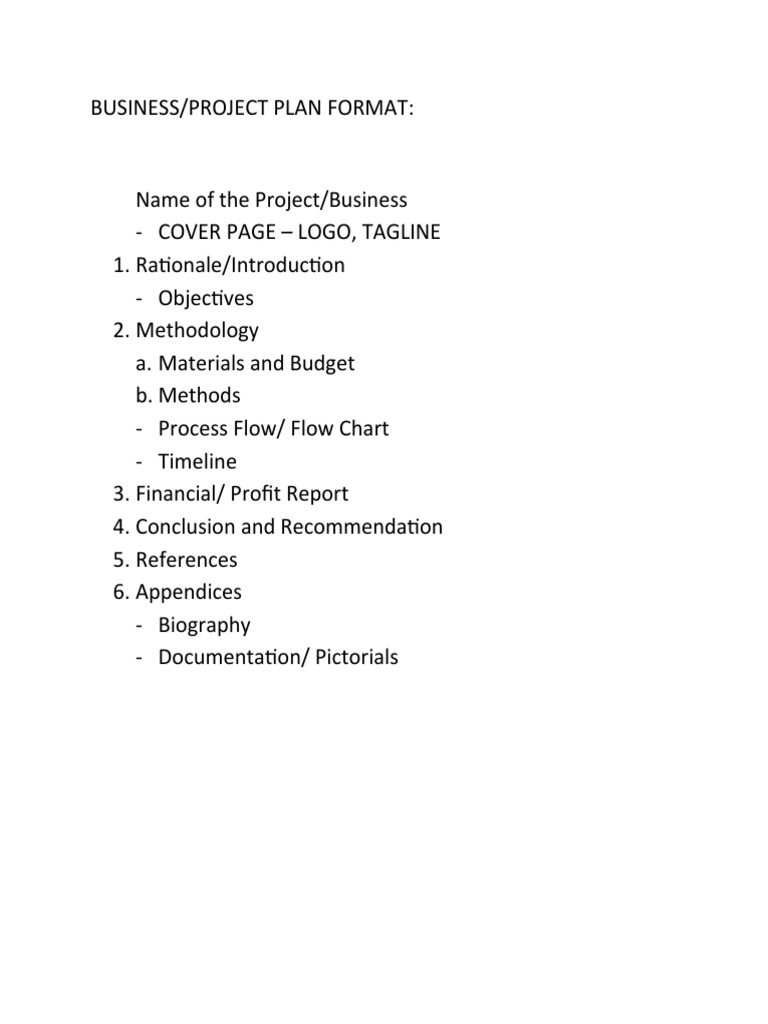
Creating a comprehensive business plan is pivotal for anyone looking to launch a successful enterprise. A well-structured plan not only outlines the trajectory of a business but also serves as a strategic guide, detailing the objectives, resources, and timelines necessary for achieving established goals. Here, we delve into the essential elements of a business plan format, offering insight into what readers can expect in each section.
1. Executive Summary
The executive summary serves as the succinct opening of the business plan. This section should encapsulate the essence of the entire document, providing a snapshot of the company, its mission, and the key milestones anticipated in the future. Ideally, it is composed after the remaining sections of the plan are finalized since it summarizes the most crucial points. Readers should expect to find an overview of the business model, target market, unique value proposition, and a brief financial forecast.
2. Company Description
The company description section offers a deeper dive into the business, shedding light on its history, vision, and goals. This section informs readers about what makes the company unique—not just in its products or services, but in its operational ethos and market positioning. It typically covers the business structure (LLC, corporation, etc.), ownership, and the legal jurisdiction under which the company operates. Including the location of the business can also be beneficial in this context.
3. Market Analysis
Engaging in a thorough market analysis is indispensable for discerning the competitive landscape and identifying opportunities within the marketplace. This segment should provide insights into industry trends, customer demographics, and buying behaviors. Readers can expect to encounter data-driven analyses, including SWOT (Strengths, Weaknesses, Opportunities, Threats) assessments, that illuminate the business’s place in the larger economic ecosystem.
4. Organization and Management
In this section, clarity regarding the organizational structure is vital. Readers should anticipate information about the management team, describing not only their backgrounds and experiences but also their roles within the company. A visual representation, such as an organizational chart, can be particularly illuminating in illustrating the hierarchy and interrelationships of various roles. This part can also delve into staff requirements, detailing future hiring strategies and any advancements in personnel needed as the business scales.
5. Products and Services
This section ought to elucidate the products or services the business will offer. It is crucial for readers to understand the formulation of these offerings, including benefits, pricing strategy, and competitive advantages. Whether the products are physical goods, digital services, or something in between, detailing the product lifecycle, including any research and development efforts, can provide a considerable advantage in capturing reader interest. Moreover, addressing any potential intellectual property would further strengthen this section.
6. Marketing Strategy
A robust marketing strategy is fundamental to attracting and retaining customers. Within this section, readers will uncover the promotional avenues the business will pursue—be it social media campaigns, SEO tactics, or traditional advertising methods. Elaborating on the brand voice and value proposition will also be key. Furthermore, a detailed budget that delineates marketing expenses can bolster the plan by demonstrating financial prudence and foresight.
7. Funding Request
For businesses seeking external funding, a funding request section is paramount. This is where entrepreneurs articulate their financial requirements clearly. Readers can expect comprehensive details on the amount required, the intended use of funds, and future funding requirements. Additionally, outlining any potential exit strategies for investors can create a sense of reassurance for those considering putting capital into the venture.
8. Financial Projections
The financial projections section is the heart of the business plan, quantifying the business’s potential for profitability. Here, readers should find projected income statements, cash flow statements, and balance sheets that forecast financial health over the next three to five years. Graphic representations such as charts and tables can help visualize expected performance metrics, such as break-even analysis and return on investment, making it easier for readers to grasp complex financial concepts.
9. Appendix
An appendix serves as a reservoir for supplementary materials that substantiate the business plan. This ancillary section can include resumes of key team members, legal documents, detailed surveys, and additional statistics that may reinforce the information provided in previous sections. By gathering addenda here, the business plan remains uncluttered while still providing avenues for interested readers to delve deeper into specific topics of interest.
Conclusion
Crafting an exemplary business plan format is more than merely an exercise in documentation; it is a vital strategic blueprint that paves the pathway to entrepreneurial success. Each section plays a crucial role in detailing the vision and operational methods of the business while appealing to potential investors or stakeholders. By encompassing the outlined elements, a business plan evolves into an indispensable tool that not only attracts funding but also aligns internal resources toward achieving the ultimate business objectives.













