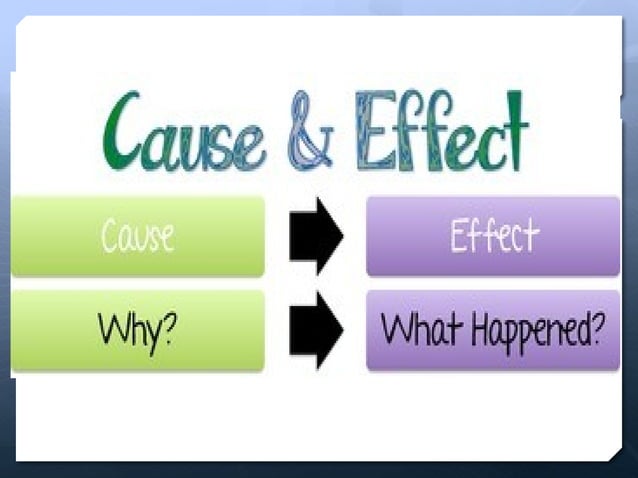
In the intricate tapestry of existence, every thread weaves a story of origin and consequence—an ode to the eternal dance of cause and effect. This relationship mirrors an elegant symphony where each note resonates with its predecessor and successor, creating a harmonious narrative that is both compelling and essential to our understanding of the world. Exploring the concept of cause and effect unveils a landscape where simplicity and complexity intertwine, revealing layers of interconnectedness that characterize our experiences.
Imagine a mighty oak tree, standing tall and proud, its branches reaching for the heavens. The magnitude of this tree’s presence is a testament to the myriad of subtle occurrences that fostered its growth. As a seed, it lay dormant in the rich, fertile soil, its potential lying quietly beneath the surface. Here lies a foundational example of cause and effect: the nurturing ground (cause) birthed the towering oak (effect). The delicate balance of sunlight, water, and nutrients conspired with time and patience, illustrating how small, seemingly inconsequential events can culminate in grand outcomes.
When we peel back the layers of this relationship, we encounter various forms of cause and effect—both tangible and abstract. Take, for example, the cause of climate change: the combustion of fossil fuels serves as a catalyst for a phenomenon that reshapes our planet’s ecosystems. In this case, the cause is a direct action taken by humanity, while the effect is the cascading series of ecological upheavals. Rising sea levels, intensified weather patterns, and altered habitats are but a few consequences, demonstrating the far-reaching implications of our choices.
Furthermore, the personal realm offers a plethora of poignant instances where cause and effect reveal themselves in our day-to-day interactions. Consider the dynamic between effort and achievement. When an individual dedicates themselves to the rigors of study (cause), they often find their academic prowess flourishing (effect). This relationship can be likened to the gradual ascent of a mountain climber inching their way towards the summit; perseverance steers the way, while success waits patiently at the peak. An intertwining of ambition and reward reinforces the idea that the fruits of labor often blossom from the roots of diligence.
Moreover, cause and effect stretches into the emotional landscape as well. The aftermath of betrayal in a relationship can create a ripple effect that influences both parties involved—trust erodes, and the very foundation of companionship may begin to crumble. This emotional response serves as another illustration: betrayal (cause) engenders heartbreak and re-evaluation (effect). The intricate web of human emotions exemplifies how our actions, or lack thereof, resonate deeply within our personal realms and beyond.
Education, too, provides a rich soil from which the principle of cause and effect springs forth. The act of teaching—whether in a formal setting or through experiential learning—nurtures the minds of students, cultivating a future generation filled with potential and creativity. Here, knowledge is the seed, and the students’ resulting growth manifests in various forms: innovation, problem-solving, and societal contribution become the effects of enlightened minds. The transformative power of education unfolds as a series of events, each one building upon the last, creating a legacy that spans generations.
As we traverse deeper into the philosophical realms of cause and effect, we find ourselves entangled in existential questions. What is the nature of free will in the grand tapestry of destiny? Are we mere marionettes, our strings pulled by causative events, or do we wield the scissors that can snip away at predefined patterns? The exploration of these questions leads to profound realizations that hinge upon the interplay of actions and consequences. Each decision we make reverberates through a continuum of existence, crafting destinies out of minute choices.
In examining the broader social sphere, it becomes evident that systemic change emerges from a myriad of smaller actions. The civil rights movement in the United States, for example, serves as a powerful illustration of cause and effect in action. A collective desire for equality (cause) propelled activists to challenge discriminatory laws and practices, ultimately leading to significant legislative changes (effect). This historical narrative echoes the potency of united voices, showcasing the ability of a community to engender monumental shifts in societal structures.
As this discourse draws to a close, it is imperative to recognize the inherent beauty within the relationship of cause and effect. Like an intricate chess game, each move is intricately planned and calculated; the consequences of each action can change the course of the game. This notion invites us to tread with intentionality, envisioning the ripples our actions create in the vast ocean of existence. Every choice holds the weight of potential, and the threads of cause and effect continue to weave through the fabric of our realities, connecting us in ways unseen and yet profoundly felt.
In contemplating the examples discussed, we are reminded that the chains of causality are not only fundamental to understanding our world but serve as a guiding principle in our individual lives. Every seed planted, every action taken, and every choice made resonates through the corridors of time, illuminating the compelling narrative that is our shared experience.