In the competitive realm of job applications, a cover letter serves as a pivotal gateway, an affirmation of one’s enthusiasm, and a platform to elucidate the unique capabilities that render a candidate exceptionally suitable for a role. An exemplary cover letter not only highlights one’s qualifications but also encapsulates the essence of the applicant’s personality and professional ethos. In a job market that often emphasizes the need for detailed resumes, the cover letter remains a powerful testament to communicative acuity and narrative competence.
To craft an outstanding cover letter, it’s vital to adhere to a structured outline that encapsulates the fundamental components while allowing room for creativity and personalization. Herein, we shall dissect the key elements that constitute an exemplary cover letter, providing both frameworks and insights that illuminate the underlying significance of each segment.
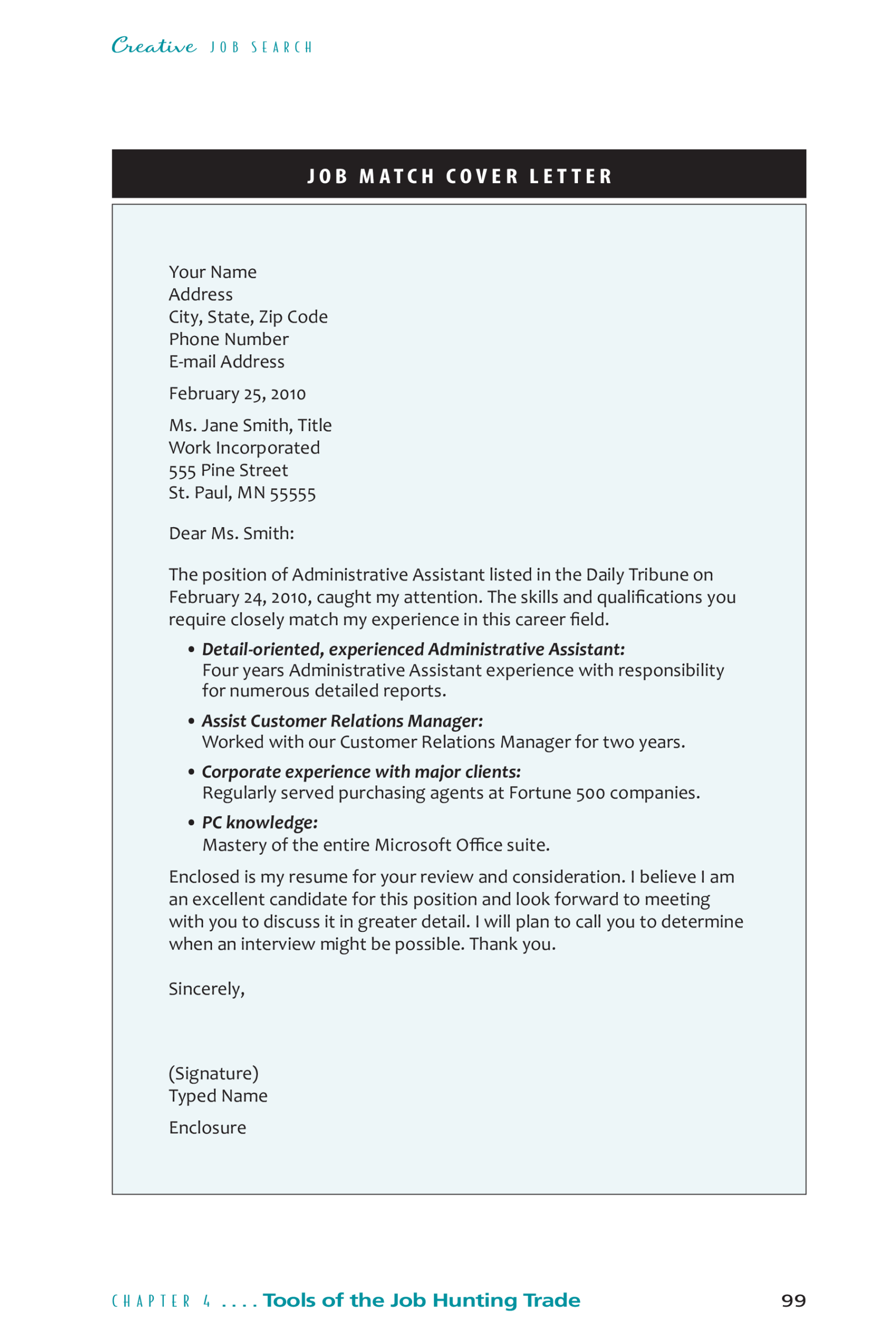
1. Salutation
Commencing with a gracious salutation is essential. Addressing the recipient by their name—when possible—establishes an immediate connection. Opt for formal greetings such as “Dear [Hiring Manager’s Name],” instead of generic salutations like “To Whom It May Concern.” A personalized approach signifies diligence and genuine interest in the position at hand.
2. Opening Paragraph
The opening paragraph should succinctly introduce the purpose of the letter and the specific position being applied for. It is an opportunity to catch the reader’s attention. Express your enthusiasm for the role and articulate how you learned about the job vacancy, whether through a referral, a job board, or the company’s website. This initial comment sets the tone and establishes context for your application.
3. Body Paragraphs: Qualifications and Experiences
The body of the letter is where candidates truly shine. It’s crucial to weave together a narrative that showcases relevant experiences and achievements aligned with the job description. Here’s how to structure these paragraphs effectively:
- Highlight Relevant Skills: Choose 2-3 core competencies that are pivotal to the position. Expand on past experiences that exemplify these abilities, using quantifiable results whenever possible. For instance, instead of merely stating “I managed a team,” say “I spearheaded a team of five, resulting in a 30% increase in productivity over six months.” This specificity thrills hiring managers and accentuates your efficacy.
- Demonstrate Cultural Fit: Organizations crave individuals who resonate with their ethos. Spend time researching the company’s culture and values. Integrate this understanding into your narrative. For example, if the company prioritizes collaboration, reflect on a project where teamwork was paramount and emphasize your role within that framework.
- Indicate Growth and Learning: Employers appreciate candidates who embody a growth mindset. Share insights on challenges faced in previous roles and the lessons learned from those experiences. This not only illustrates resilience but also indicates an eagerness to evolve alongside the company.
4. Personal Connection to the Company
This section allows candidates to express genuine enthusiasm for the organization itself. Acknowledge what draws you to the company—its mission, innovative projects, or community involvement. This reveals a depth of research and a commitment to being part of an entity larger than oneself. Phrase it thoughtfully: “Having followed your recent initiatives in sustainability, I am truly inspired by your unwavering commitment to environmental stewardship, a value I hold dear.”
5. Closing Paragraph
The conclusion of the cover letter serves as a reinforcing statement of interest and a call to action. Politely express your desire for an interview to discuss your application further. This final touch should be imbued with confidence rather than presumption. A phrase like “I look forward to the opportunity to further discuss how I can contribute to your esteemed team” combines professionalism with eagerness and leaves a lasting impression.
6. Signature
Finally, your sign-off should be formal and gracious. Use “Sincerely,” followed by your name. If submitting a hard copy, leave space for a signature between the closing and your typed name. In digital submissions, ensure your contact information is readily available either in a footer or immediately following your signature.
7. Final Touches: Proofreading and Formatting
Even the most engaging content can falter due to typographical errors. Scrutinizing the document for any grammatical missteps and ensuring alignment with professional format standards is imperative. Utilize a readable font, maintain consistent formatting, and ensure ample white space. A meticulously curated cover letter reflects professionalism and forethought.
In conclusion, the art of composing a compelling cover letter transcends mere formality; it is an intimate dialogue between the applicant and the hiring entity. When executed adeptly, it serves as an unparalleled opportunity to convey one’s professional narrative, showcase compelling qualifications, and illustrate a sincere affinity for the role and the organization. As you compose your cover letter, remember: it is not merely a gateway to obtaining a job; it is an affirmation of your professional identity and your aspirations. Embrace the process, infuse your personality, and let your passion shine through.