In the competitive landscape of job hunting, how often does one ponder the significance of a well-crafted cover letter? Imagine you have the opportunity to make a first impression; would you seize it with a notable greeting or let it slip through your fingers like sand? The cover letter is not merely a formality; it serves as a gateway to your professional persona, a tantalizing glimpse into your capabilities and enthusiasm. However, mastering the art of writing an effective cover letter can be quite the challenge. Below is a collection of exemplary cover letter formats and elements that can elevate your application profile significantly.
Understanding the Role of a Cover Letter
A cover letter complements your resume and offers potential employers insights into your personality, motivation, and qualifications that a list of skills simply cannot convey. It acts as a narrative that connects the dots of your experience to the job in question. Each sentence should invite the reader into your world—an avenue to showcase who you are beyond the paper trail of your resume.
Essential Components of a Successful Cover Letter
Grasping the fundamental elements of a cover letter can drastically enhance its effectiveness. Let’s dissect these components:
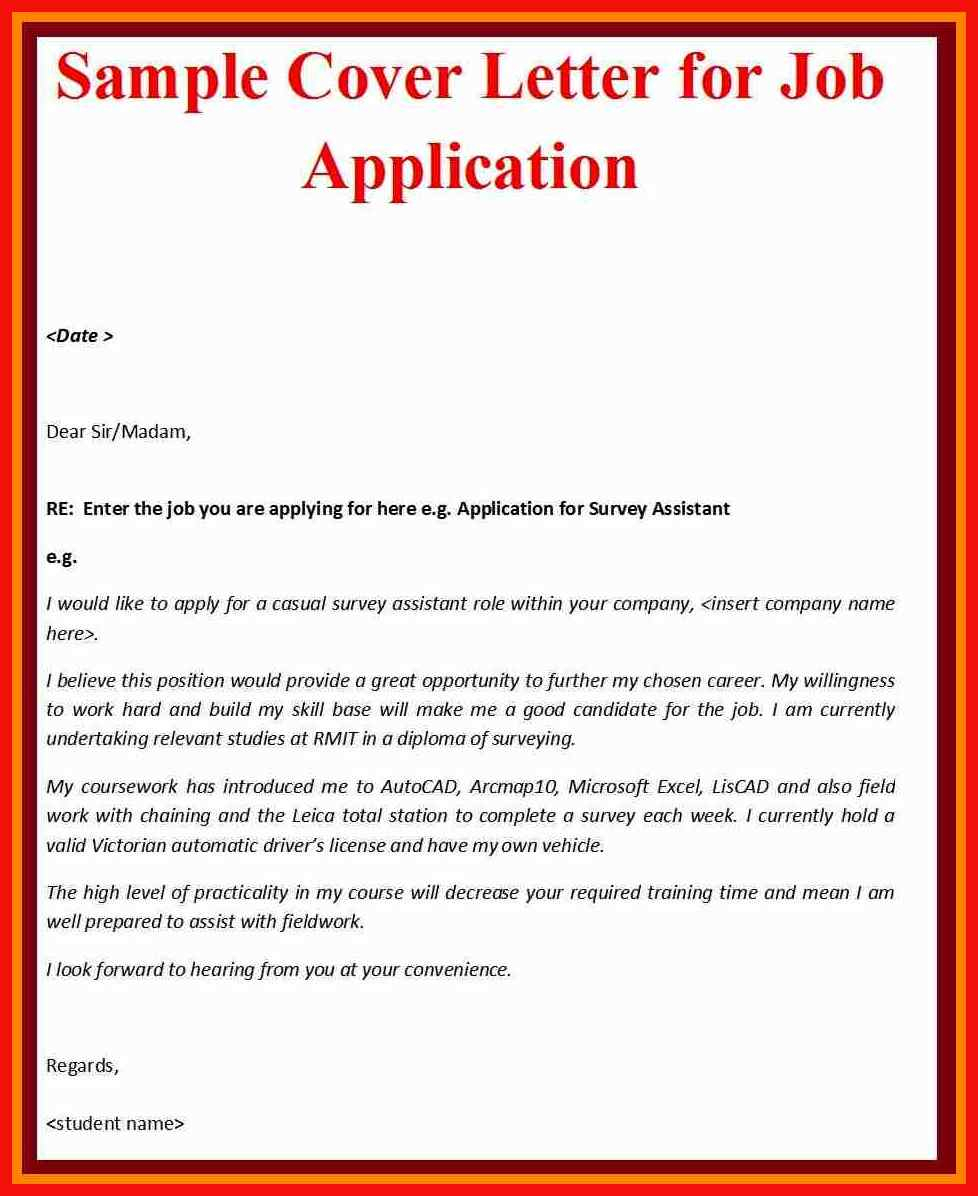
- Header: Begin with a professional header that includes your contact information, the date, and the employer’s contact information, formatted correctly. This conveys attention to detail and professionalism.
- Salutation: Opt for a personalized greeting, and where possible, address the hiring manager by name. “Dear Hiring Manager” comes off as impersonal—do your research if you can.
- Introduction: The opening paragraph should succinctly convey your interest in the position and excitement about the opportunity to contribute to the company.
- Body Paragraphs: This is where the magic happens. Use targeted anecdotes and examples showcasing how your experience aligns with the role. Explain not just what you’ve done, but how it adds value to the prospective employer.
- Closing Paragraph: Reiterate your enthusiasm for the role, thank the reader for their time, and express your eagerness for an interview. A strong closing sets a positive tone for potential follow-up.
Types of Cover Letters
Not all cover letters are created equal. Depending on your situation, different styles can serve different purposes:
- Traditional Cover Letter: This conventional format focuses on how your skills meet the job requirements and includes a narrative that enhances your resume. Ideal for straightforward job applications.
- Exploratory Cover Letter: When you’re seeking an opportunity that isn’t advertised, this cover letter seeks to identify potential job openings based on your interests and experience.
- Networking Cover Letter: Aimed at garnering referrals or recommendations, this letter usually mentions a mutual connection, guiding the reader to consider you for prospective roles.
- Value Proposition Letter: This powerful format centers on the value you can bring to the organization rather than summarizing your past. It’s a bold assertion of your potential impact, suitable for leadership roles.
Examples of Cover Letters for Diverse Professions
Both structure and tone can vastly differ based on industry norms and company culture. Here are three context-specific examples:
1. Marketing Position
Dear [Hiring Manager’s Name],
As a dynamic marketing professional with over five years in digital strategy, I was thrilled to discover the open position at [Company Name]. Having successfully led campaigns that increased brand visibility by 30%, I am excited about the opportunity to contribute my expertise in guiding your brand’s narrative. I believe creative storytelling, aligned with innovative marketing approaches, can propel [Company Name] to new heights.
2. Engineering Role
Dear [Hiring Manager’s Name],
I am writing to express my interest in the mechanical engineer position at [Company Name]. My background in CAD design and project management has equipped me to tackle complex engineering challenges. A recent project, where I implemented a new production process that reduced waste by 15%, exemplifies my commitment to efficiency and innovation—principles that resonate with [Company Name]’s ethos.
3. Non-Profit Sector Application
Dear [Hiring Manager’s Name],
With a passion for community service and advocacy, I was excited to find the opening for the program coordinator at [Company Name]. My experience working with underserved populations has ignited a fervor for building sustainable programs. I am particularly proud of a recent initiative I spearheaded, which provided essential resources for over 500 families. I envision doing something similar with [Company Name] and am eager to explore how we can together create meaningful impact.
Common Pitfalls to Avoid
Even seasoned professionals may fall prey to certain missteps in cover letter writing. Here are a few errors to avoid:
- Generic Content: Avoid using a one-size-fits-all cover letter. Tailoring it for a specific position demonstrates diligence and genuine interest.
- Failing to Follow Instructions: If the job posting requests particular information, be sure to include it—omitting such details could land your letter in the rejection pile.
- Excessive Length: A cover letter should be succinct—ideally, no longer than a single page. Respect the reader’s time.
In conclusion, the efficacy of a cover letter lies in its ability to communicate authenticity and a clear alignment with the job requirements. Do not view it merely as an accessory to your resume, but rather as a vital instrument in your job search arsenal that can bridge the gap between your qualifications and the employer’s needs. Crafting a compelling letter can indeed present a formidable challenge; however, with thoughtful planning and creativity, you can turn this daunting task into an opportunity for showcasing your distinctive professional narrative.