
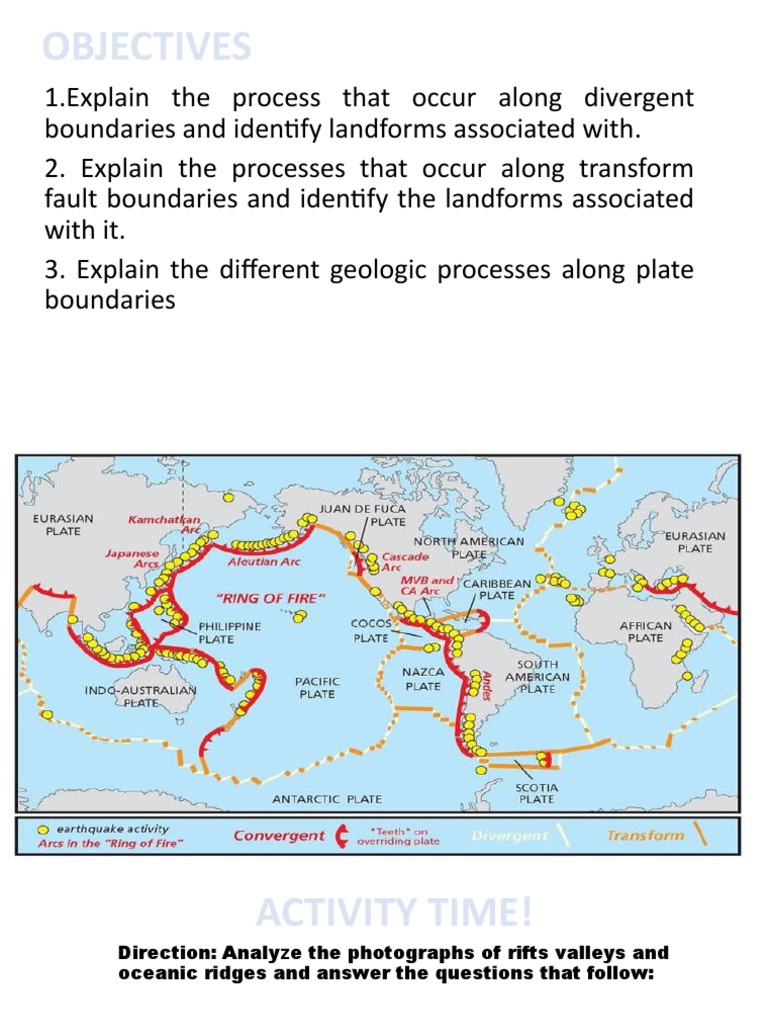
In the grand theater of geology, where the earth’s crust performs a symphonic dance, the divergent plate boundary takes center stage. This geological feature is like a rift in the fabric of the Earth, where tectonic plates move apart from one another, creating a dynamic tableau of geological activity. Such boundaries are not merely geographical demarcations; they are vibrant ecosystems of transformation, wherein new land rises from the depths of the Earth, metaphorically illustrating the idea that from division comes creation.
The most vivid example of a divergent plate boundary is found along the Mid-Atlantic Ridge, which snakes its way through the vast expanse of the Atlantic Ocean. Picture this massive undersea mountain range as a giant seam, where the tectonic plates of North America and Eurasia on one side, and South America and Africa on the other, gently drift apart. Like an artist carefully tearing a canvas, this gradual movement enables magmatic forces from the mantle to seep through the cracks, resulting in the formation of new oceanic crust.
At the heart of this dynamic process lies sea-floor spreading, a phenomenon defined by the emergence of magma that cools and solidifies into rock. As these tectonic plates part ways, magma ascends to fill the void, akin to a river carving new pathways through a once-unchanged valley. Each eruption of magma not only brings forth new geological formations but also fosters varying marine ecosystems, teeming with life. Hydrothermal vents, ejected from these boundaries, create an oasis of biodiversity, sustaining organisms that thrive in these extreme conditions, despite the absence of sunlight.
Several other notable examples cradle the concept of divergent boundaries in their embrace. The East African Rift Valley stands as a testament to divergent tectonics on land. Envision this geographical marvel as a gigantic scar running through the landscape, an embodiment of our planet’s restless spirit. As the African continent slowly rips apart, it gives rise to new geological formations, such as the famed Mount Kilimanjaro and the Great Rift Lakes. The landscape pulses with geological vitality, a reminder that life often flourishes at the divide, brewing an unmistakable energy.
The movement at divergent plate boundaries is often accompanied by seismic activity, where earthquakes punctuate the silence of the Earth’s crust. These seismic events, while momentarily disruptive, are natural byproducts of the ever-shifting plates. They resonate through the stratified layers of crust, a reflection of the restless forces at play beneath the surface. Each tremor symbolizes resilience — the Earth’s way of voicing its grand narrative of creation, destruction, and renewal.
The biological implications of divergent plate boundaries extend beyond seismic activity. Consider how the mineral-rich environment formed by the upsurge of new crust fosters unique ecosystems. The aforementioned hydrothermal vents create a unique niche that supports extremophiles—organisms that thrive under conditions vastly different from typical life forms. From giant tube worms to vibrant, yet ethereal, bioluminescent creatures, these organisms illustrate nature’s penchant for adaptation, transforming adversity into opportunity.
Furthermore, the scientific allure of divergent plate boundaries has drawn the attention of researchers and adventurers alike. Oceanographic expeditions along the Mid-Atlantic Ridge have unveiled mysteries from the depths of the ocean, advancing our understanding of plate tectonics, as well as the origins of life itself. Each exploration serves as a reminder that our planet is not merely a static entity, but a continually evolving dynamic system.
In the context of human technological advancement, the implications of divergent plate boundaries stretch beyond academic interest. Geothermal energy production, particularly evident in regions such as Iceland, exemplifies the intersection between geology and innovation. Harnessing the Earth’s internal heat, regions sitting astride divergent boundaries capitalize on the natural energies released. This union between science and sustainability showcases the potential for a harmonious relationship with our planet, revealing how geological processes can be transformed into renewable energy sources.
Yet, one must remain cognizant of the inherent risks associated with the proximity to divergent boundaries. Regions on these tectonic frontiers are often subject to volatile geological behavior, and from this unpredictability springs a profound respect for nature’s power. The raw dynamism of earthquakes reminds us of our fragile existence within this intricate system, urging humanity to tread carefully along the shores of our ever-evolving planet.
As we gaze away from earthly transitions and take a step back, we realize that divergent plate boundaries are more than mere geological formations; they are testimonies of our planet’s history, embodiments of its resilience, and symbols of evolution. Just as the Earth’s crust stretches and shifts, mirroring the ebb and flow of tides, it implores us to understand that division often leads to creation, evolution, and the blossoming of life. With every rift, with every new ocean floor birthed, the story of our planet continues to unfold, one seismic event at a time, in a breathtaking performance of Earth’s theatrical majesty.













