In academic writing, particularly within the realms of history, literature, and the fine arts, the Chicago Manual of Style provides a comprehensive framework for authors seeking to substantiate their claims with verifiable sources. A pivotal aspect of this methodology is the use of endnotes, which serve as a conduit for elaborating upon sources, comments, and supplementary information without disrupting the narrative flow. Below, we delve into the intricacies of employing endnotes in Chicago style, exploring various components, examples, and best practices.
Understanding Endnotes: A Brief Overview
Endnotes are annotations located at the end of a chapter or a complete manuscript, which provide detailed references or a deeper exploration of ideas cited within the text. Unlike footnotes that appear at the bottom of each page, endnotes consolidate all citations or commentary in one place. This format can lend a more elegant prose presentation, allowing readers to engage with the main content unobstructed by frequent interruptions.
The Structure of Endnotes
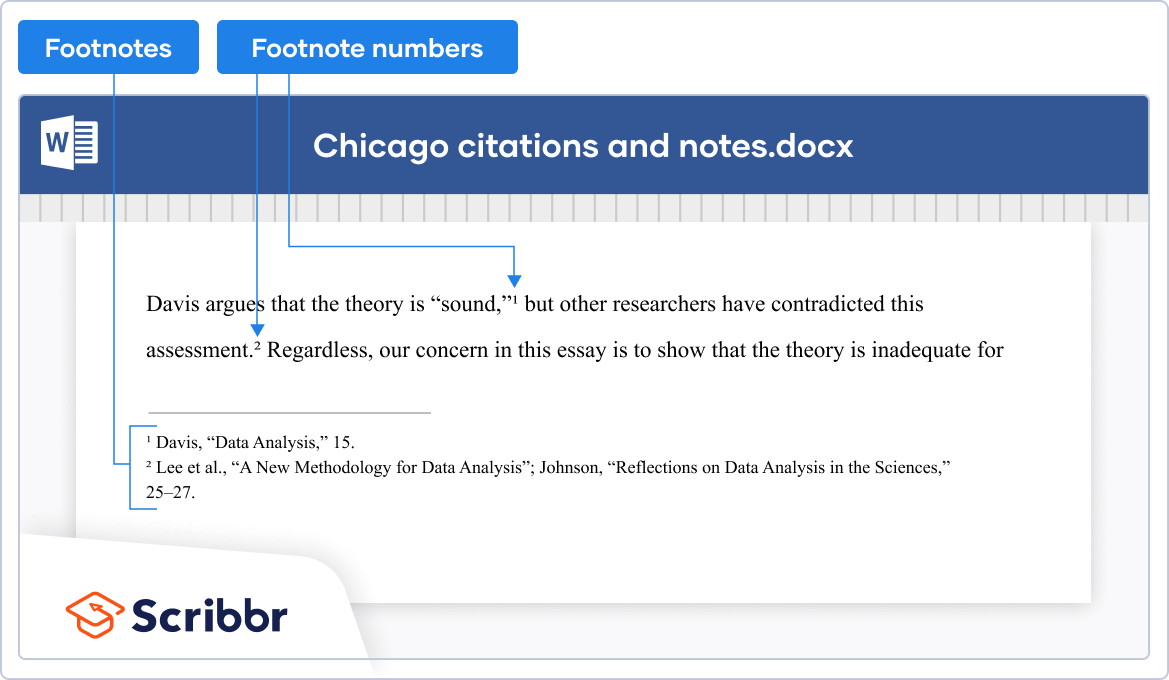
To harness the power of endnotes effectively, one must adhere to a structured format. Each endnote begins with a superscript numeral that corresponds to an integrated number in the text. For instance, if a passage references a historical event, it may conclude with a numeral, say “1.” This numeral directs readers to the endnote section where they can find comprehensive details about the source material or the author’s commentary.
In Chicago style, endnotes are formatted with the following components:
- Author(s): The individual or organization responsible for the work.
- Title: The complete title per the original publication, punctuated correctly.
- Publication Information: This includes the publisher, publication location, and year.
- Page Numbers: Specific pages referenced, particularly in anthologies and collections.
An example of a well-structured endnote might look like this:
1. John Doe, Understanding Chicago Style (New York: Academic Press, 2020), 45.
Types of Content in Endnotes
The content found within endnotes is versatile and can cater to numerous demands within a scholarly piece. Below are several types of content that authors might include in their endnotes:
- Source Citations: The primary function of endnotes is to cite sources referred to in the text. This includes books, journal articles, websites, and archival materials.
- Contextual Commentary: Authors often use endnotes to provide additional context that supports or elaborates on points made in the text. This could involve historical background, definitions of uncommon terms, or explanations of complex theories.
- Clarifications: When an author utilizes specific jargon or references that may not be widely understood, endnotes can clarify these terms, ensuring a broader comprehension among diverse readers.
- Acknowledgments: Authors may convey gratitude toward mentors, contributors, or funding bodies for their support or insight into the research process, situating their work within a larger academic community.
- Supplementary References: For readers intrigued by the subject matter, endnotes can contain supplementary readings or related works that expand upon themes discussed in the primary text.
Best Practices for Formatting Endnotes
To maximize the efficacy of endnotes in Chicago style, observe the following best practices:
- Consistency is Key: Ensure that each endnote follows the same formatting rules throughout the text. This consistency affords clarity and professionalism.
- Use a Clear Numeration System:Using consecutive numerals for endnotes will mitigate confusion. Chicago style typically employs Arabic numerals (1, 2, 3) instead of Roman numerals.
- Limit the Length: While endnotes are a valuable vehicle for supplementary information, try to keep them concise and relevant. Lengthy asides may distract readers from the core narrative.
- Prioritize Readability: Ensure that endnotes are easily readable. Employ appropriate line spacing and font size, and structure them logically for effortless navigation.
Examples of Endnotes in Practice
To illustrate the application of endnotes in Chicago style, consider the following examples:
In a discussion about the impact of the Industrial Revolution, one might write:
The swift advancements in technology during the Industrial Revolution fundamentally transformed labor dynamics and productivity in Europe and America.¹
The corresponding endnote might read:
1. Jane Smith, The Mechanization of Society (Chicago: University of Chicago Press, 2019), 122.
In another context, while exploring the philosophical underpinnings of a literary movement, it would be appropriate to add a contextual endnote that reflects further reading:
As noted in the works of several notable authors, existentialism’s influence pervaded literature across multiple genres.²
2. See also Albert Camus, The Myth of Sisyphus (New York: Knopf, 1955) for an in-depth exploration of absurdism.
Conclusion: Mastering Endnotes for Enhanced Scholarly Work
Incorporating endnotes within Chicago style not only bolsters the academic rigor of a manuscript but also enhances the readability and engagement for the audience. By following established formats and intentionally including a variety of content types, authors can effectively communicate their sources and contextual insights without sacrificing the fluidity of their writing. Thus, mastering the art of endnotes can transform an ordinary scholarly work into a compelling narrative enriched with layers of informative content.