
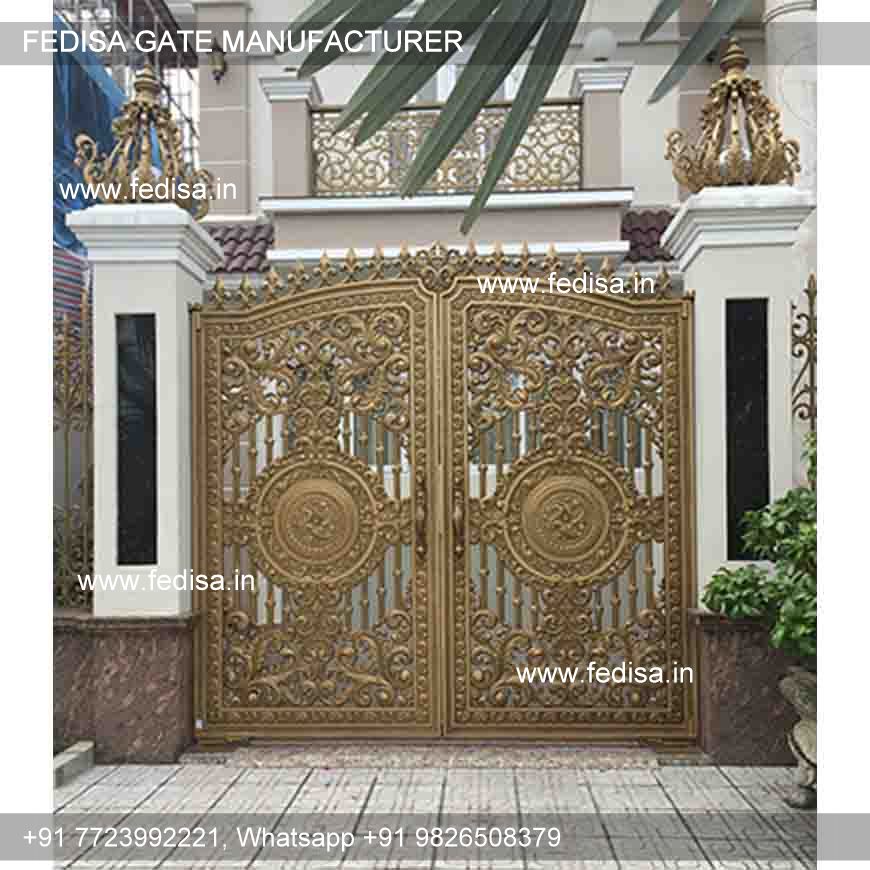
When one considers the façade of a home, the entrance gate often serves as its unsung hero—an architectural punctuation mark that sets the tone for what’s beyond. Like an exquisite piece of jewelry adorning a fine garment, a beautifully designed gate can transform an ordinary entryway into a captivating first impression. This metaphorical threshold signifies not just a physical barrier, but an invitation to traverse into an inner sanctum, where memories are forged and life stories unfold.
In this exploration of home entrance gates, we delve into the myriad of designs, materials, and artistic expressions that define these entranceways. Each gate serves as not only a functional element but also an articulation of personal style and taste. From the imposing grandeur of wrought iron gates to the rustic charm of wooden counterparts, the options are as diverse as the homeowners who choose them.
Consider the imposing allure of a wrought iron gate, an architectural sentinel that commands attention. These gates often feature intricate scrollwork and elaborate patterns that resemble delicate lacework fashioned in metal. Such designs offer not only security but also allow glimpses of the enchanting world behind them, like the initial notes of a symphony teasing the ear before the overture begins. The interplay of light and shadow through the ornate designs casts a magical aura, transforming the mundane into the extraordinary.
On the contrary, wooden gates exude a sense of warmth and earthiness, reminiscent of ancient forests. Popular for their natural grain and versatility, wooden gates can be crafted in various styles, from modern minimalist to whimsical cottage aesthetics. A tall cedar plank gate, for instance, embraces the rustic charm of a countryside retreat, inviting visitors to step into a haven where nature and nurture harmoniously coexist. The scent of cedar can evoke nostalgic feelings and a sense of comfort, reminding us of the homes built by our ancestors, where each piece of wood told stories of endurance and love.
Moreover, the modern trend of using glass elements in gate designs adds an ethereal quality, blending transparency with sophistication. A gate framed in sleek aluminum and fitted with large glass panels serves as a contemporary portal, reflecting light like a diamond glimmering under the sun. This synergy of materials captures the essence of modernism—an aesthetic that cherishes visibility and openness, fostering a connection between the private sanctuary of the home and the bustling world outside. The reflection in the glass panels mirrors not just the surroundings but also the life within, creating an intriguing dialogue of presence and perception.
Furthermore, sustainability is an ever-growing theme in the realm of gate design. Eco-friendly materials and energy-efficient options have emerged, resonating with environmentally conscious homeowners. Gates constructed from recycled metals or responsibly sourced woods connect the design to a broader ethos of environmental stewardship. These gates make an arresting statement, reflecting a commitment to nature that is as robust as the structures themselves. Choosing to employ such materials suggests a narrative of modern sensibility juxtaposed against traditional craftsmanship—a narrative that is not only visually appealing but also socially responsible.
The color palette of an entrance gate bears immense significance in conveying character. A vibrant turquoise gate can evoke joy and playful curiosity, reminiscent of sun-soaked Mediterranean villas. In contrast, an understated matte black gate imparts an air of effortless sophistication, akin to a classic tuxedo that never goes out of style. These color choices serve as a canvas, expressing the home’s identity before one even sets foot through the opening. Engaging with colors can evoke emotions and sentiments, allowing the gate to whisper tales of what lies beyond.
In addition, the hardware—knobs, hinges, and locks—often overlooked—plays a crucial role in the aesthetics of the gate. Ornate door knockers fashioned as mythical beasts or minimalist Scandinavian designs can elevate a gate from mere entryway to a work of art. The tactile experience of gripping a beautifully designed handle can evoke a sense of power and prestige, fostering a connection between the homeowner and the entryway, reinforcing the idea that this space is not just any portal but rather a bespoke passage into a personalized world.
Furthermore, the landscaping surrounding the entrance gate enhances its appeal. Lush greenery, flowering vines, or a meticulously maintained pathway can transform the approach into a visual delight. As one meanders along a stone walkway, flanked by fragrant blooms, the anticipation builds. Each step brings one closer to that portal, which finally swings open to reveal the heart of the home. Such considerations highlight the synergy between the gate and its environment, celebrating the union of architecture and nature that is essential to holistic design.
In conclusion, the home entrance gate stands as a multifaceted element of design—both a guardian and an ambassador of the residences it adorns. Through varying materials, intricate designs, nuanced colors, and thoughtful landscaping, these gates tell stories as individual as the homeowners themselves. They beckon visitors with promises of warmth, security, and beauty, offering a glimpse into the living narrative that unfolds beyond them. Each gate, a distinct personality, invites curiosity and wonder, reminding us that architecture is not merely functional; it is a canvas for expression, a bridge from the outside world to the intimate corridors of home.













