
In the vast landscape of research and experimentation, independent and dependent variables serve as the twin stars guiding scholars through the constellations of knowledge. Understanding these two concepts is akin to deciphering a complex map; by recognizing their relationships, one gains insight into the wider universe of scientific inquiry.
At its core, the independent variable is the architect of an experiment, the unwavering force that sets change into motion. Think of it as a seed planted in the fertile earth of research. With the right conditions, it nurtures growth and development—yielding meaningful insights about the world around us. In stark contrast, the dependent variable stands as the tender sprout, reliant on the nourishing influence of the independent variable. This dependent aspect reflects the outcomes of manipulation and is an essential component of establishing causality in any study.
To frame these concepts within an illustrative metaphor, envision a master painter preparing to create a stunning landscape. The independent variable represents the choice of paintbrush and colors, shaping the artist’s technique and approach. Meanwhile, the dependent variable embodies the final artwork—an expression of the interactions and choices made. The distinct relationship between the two unveils the artistry of exploration, unveiling new vistas with every stroke.
Considering an example enables the distillation of these ideas into practical understanding. Let’s examine a scenario illuminating the interplay of independent and dependent variables: a study analyzing the effects of light exposure on plant growth.
In this case, the independent variable is the amount of light each plant receives, manipulated across different groups—some in direct sunlight, others in shade, and some in artificial lighting. Here, the variable is intentionally altered, setting the stage for transformative growth. The dependent variable, on the other hand, comprises the growth rate of the plants—reflecting changes in height, leaf development, and overall health. This outcome is inherently influenced by the levels of light exposure.
As we delve deeper, the dynamics between these variables become increasingly intricate. The light, that radiant source of energy, leads to burgeoning photosynthesis, ultimately catalyzing growth. The dependent variable fluctuates in response to the whims of its independent counterpart, providing a window into the thriving life cycle of plants. Exhibiting the delicate dance between control and transformation, researchers can extract meaningful conclusions about optimal growth conditions.
These relationships are not confined to the realm of botany. In the realm of human behavior and psychology, independent and dependent variables flourish like vines in a lush garden. Consider an experiment examining the impact of sleep quality on cognitive performance. Here, the independent variable is the quality of sleep, meticulously manipulated through sleep studies or controlled environments. The dependent variable derives from cognitive performance assessments, gauging outcomes through tests measuring memory retention, reaction times, and critical thinking skills. This cerebral interplay captures the essence of human nature—a tapestry woven from the threads of rest and mental acuity.
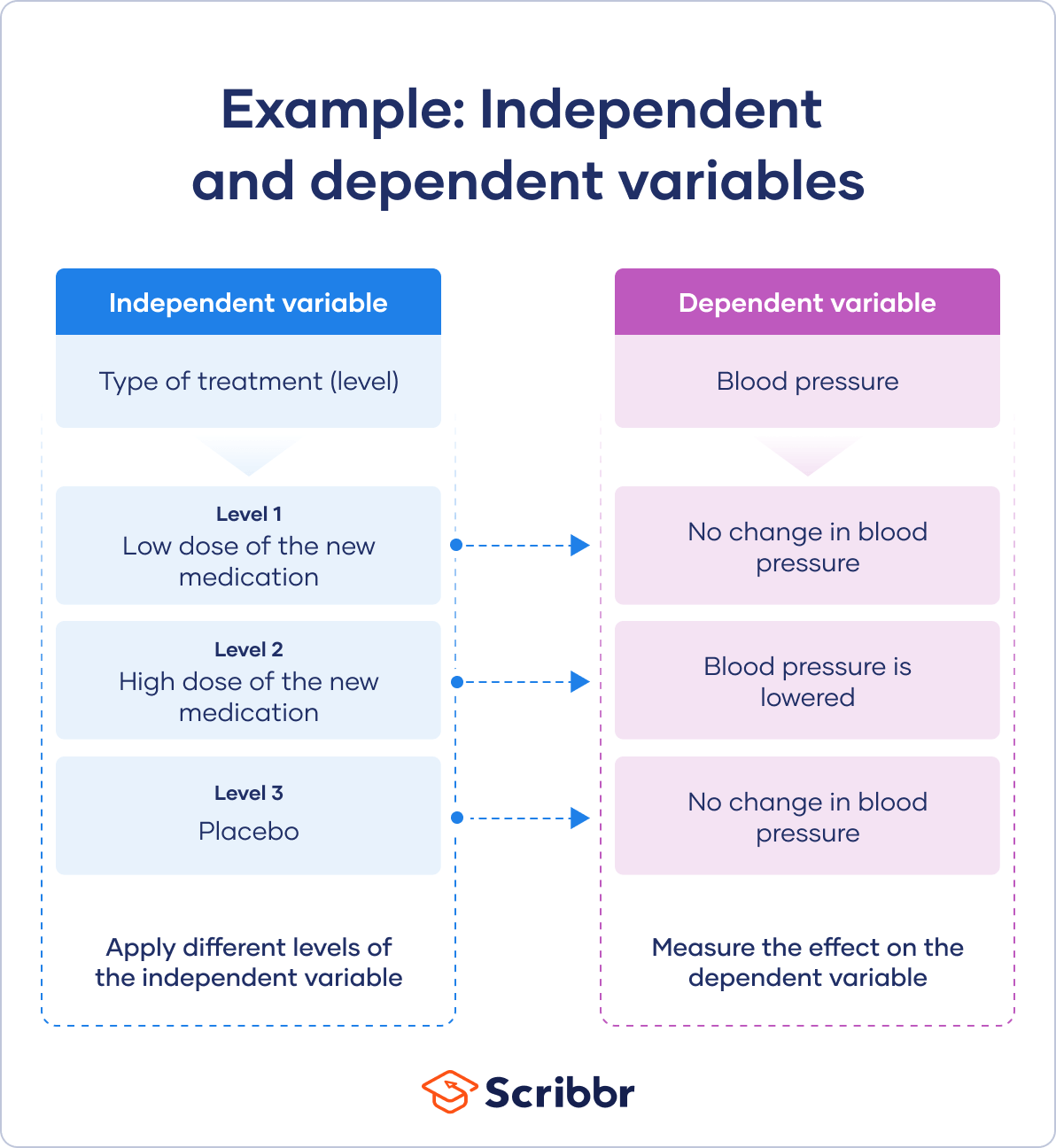
Continuing this pursuit across multiple disciplines elucidates further complexities. In medicine, the independent variable may be a new treatment regimen, while the dependent variable could be patient recovery rates. In educational settings, the type of instructional method serves as the independent variable, influencing the dependent variable, which might measure student engagement or academic performance. Each experiment, each inquiry, unfolds a tale of correlation and causation, carving out paths for future exploration.
As the scientific community endeavors to illuminate these relationships, the significance of replicability emerges. It is essential for researchers to establish robust methodologies to ensure that the dependent variables respond coherently to manipulations of the independent variables. This meticulous rigor lends itself to the credibility and reliability of findings, with overarching implications that reverberate throughout various fields.
Moreover, the limits of independent and dependent variables must be acknowledged. Their definitions are not etched in stone, as variables often overlap or evolve. Mediating variables, for instance, may sit between the two, influencing the effect of the independent variable on the dependent variable. This multilayered complexity invites a deeper understanding of phenomena, urging scholars to look beyond simplistic frameworks and embrace the intricate nature of reality.
In conclusion, comprehending the roles of independent and dependent variables is integral to the pursuit of knowledge. They serve as the compass and map in the quest for answers, guiding explorers through the realms of the known and the unknown. Their unique relationship is akin to a thrilling literary narrative, rife with twists, turns, and revelations waiting to be unearthed. Through observant inquiry, scholars illuminate the tapestry of existence, revealing profound insights that shape our understanding of life itself. As we navigate this intricate web, may we continue to delve into the depths of inquiry, embracing the mysteries that lie ahead.













