
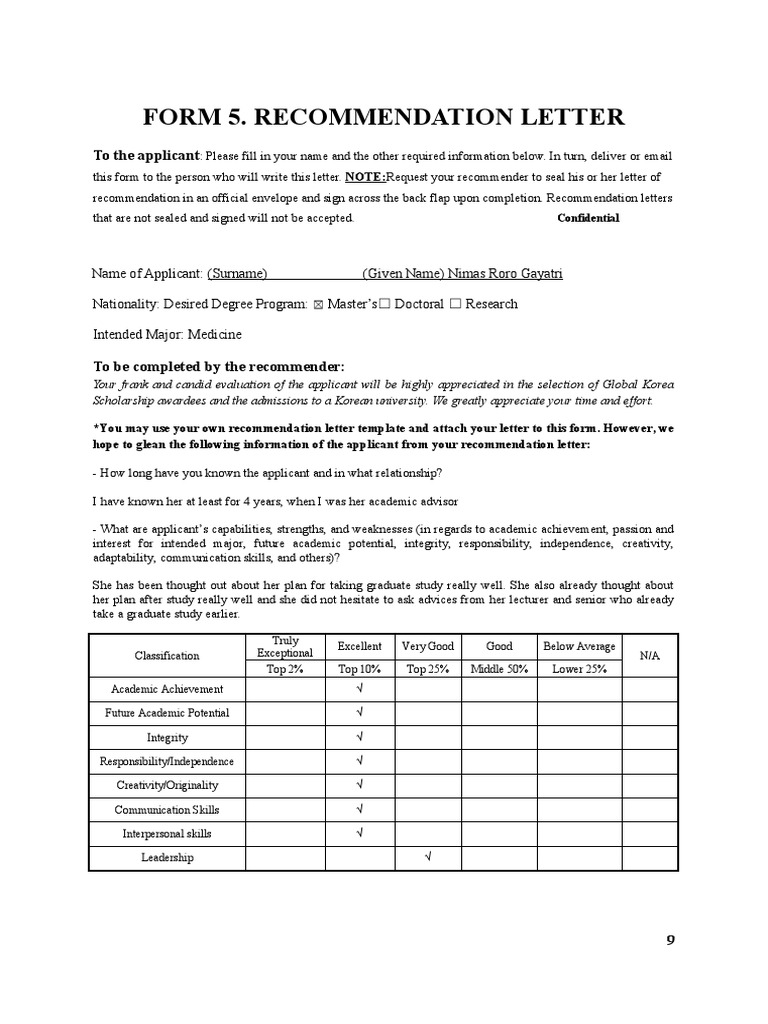
In the world of academia and professional development, a letter of recommendation serves as a golden key, unlocking doors to new opportunities. Like the weathered vines of an ancient winery, it bears the weight of authenticity and conviction, cultivated through years of scholarly or professional camaraderie. As one meticulously crafts such a letter, several vital components coalesce to form a compelling narrative. This exploration seeks to illuminate the facets of an effective letter of recommendation, providing an insightful framework that ensures its eloquence and potency.
At its core, a letter of recommendation encapsulates the essence of the individual it aims to represent. It should commence with a robust introduction, establishing the relationship between the recommender and the candidate, akin to laying the foundation of a majestic cathedral. The recommender’s credentials lend considerable weight to the letter, echoing the significance of the bond shared. A well-articulated introduction sets the stage, allowing readers to understand the context and importance of the endorsement.
Transitioning into the body of the letter, vivid anecdotes serve as the lifeblood of a recommendation. These narratives, whether they depict a moment of triumph in a research endeavor or a pivotal contribution during a group project, breathe life into the recommendations. Each story must be wrought with details that transcend mere platitudes. Instead of saying “She is hardworking,” one might illustrate the strenuous journey of a candidate who, under daunting deadlines, distilled a complex thesis into a clear and persuasive argument. Such colorful examples vividly paint a portrait of capability, transforming abstract qualities into tangible achievements.
Moreover, the language embedded in the letter should resonate with sincerity and gravity. The choice of words can be the brushstroke that elevates a simple endorsement into a vibrant exploration of the candidate’s virtues. Phrases that reflect dedication, analytical prowess, and leadership potential should cascade through the text, weaving a tapestry of commendation. Utilization of uncommon lexicon—such as “perspicacity” to highlight intelligence or “tenacity” to underscore resilience—imbues the narrative with sophistication. However, clarity remains paramount; the aim is to articulate brilliance, not obfuscate it.
Another quintessential element of a compelling letter is the alignment of the candidate’s skills with the prospective opportunity endeavored for. This particular aspect resembles the meticulous placement of gears within a finely-tuned timepiece. By mapping the candidate’s attributes to the requirements of the new role, the recommender not only underscores suitability but also showcases foresight. It is essential to weave in specifics that correlate the individual’s commendable traits with the anticipated challenges they may face in their new trajectory. Such thoughtful alignment speaks volumes, presenting the candidate as the missing puzzle piece in an evolving picture.
As the letter nears its conclusion, it is poignant to extend a note of enthusiastic endorsement. This section acts as the crescendo of a symphony, where the recommender must reaffirm their unreserved support. A statement such as, “I wholeheartedly endorse [candidate’s name] for [position/program] and am confident they will be an invaluable asset,” echoes the depth of conviction held for the candidate. Such assurances foster a sense of trust in the reader, transforming ambivalence into intrigue and admiration.
Furthermore, concluding with an invitation for further dialogue can serve to bolster the letter’s impact. It provides a channel for additional inquiries that may elucidate any facet of the candidate’s qualifications. This invites engagement, hinting that the recommender is prepared to advocate passionately. In essence, it signifies that the discussion is not merely confined to the written page, but may continue in flourishing conversation.
In crafting an exceptional letter of recommendation, the nuances of structure, detail, lexicon, and conviction converge to create a document that stands apart. While the landscape of recommendations is peppered with familiar phrases, an exceptional letter diverges from the commonplace, offering a fresh narrative that beckons the reader to explore further. Each component, from anecdotes to eloquent vocabulary, forms a mosaic that reflects the uniqueness of the individual represented.
Ultimately, a letter of recommendation is more than just a formal obligation; it is an art form, a crafted narrative that straddles the realms of personal endorsement and professional assessment. Like a well-aged wine, it should evoke a spectrum of emotions and conjure visions of the future potential inherent within that candidate. A well-written letter embodies not just the candidate’s past, but it also illuminates their path forward, inviting opportunities that would otherwise remain concealed in shadows.
As one navigates the art of crafting such letters, they will realize the profound impact they can have on a candidate’s journey. The right words can be transformative, lovingly shaped to reflect the essence of an individual—much like delicate petals of a flower unfurling to the sun. This thoughtful process not only aids the candidate in their endeavors but also serves to elevate the recommender’s voice in the symphony of professional acknowledgment. Therefore, each letter represents not just a recommendation, but an affirmation of the potential that lies within each aspiring scholar or professional, waiting to emerge into the light.













