
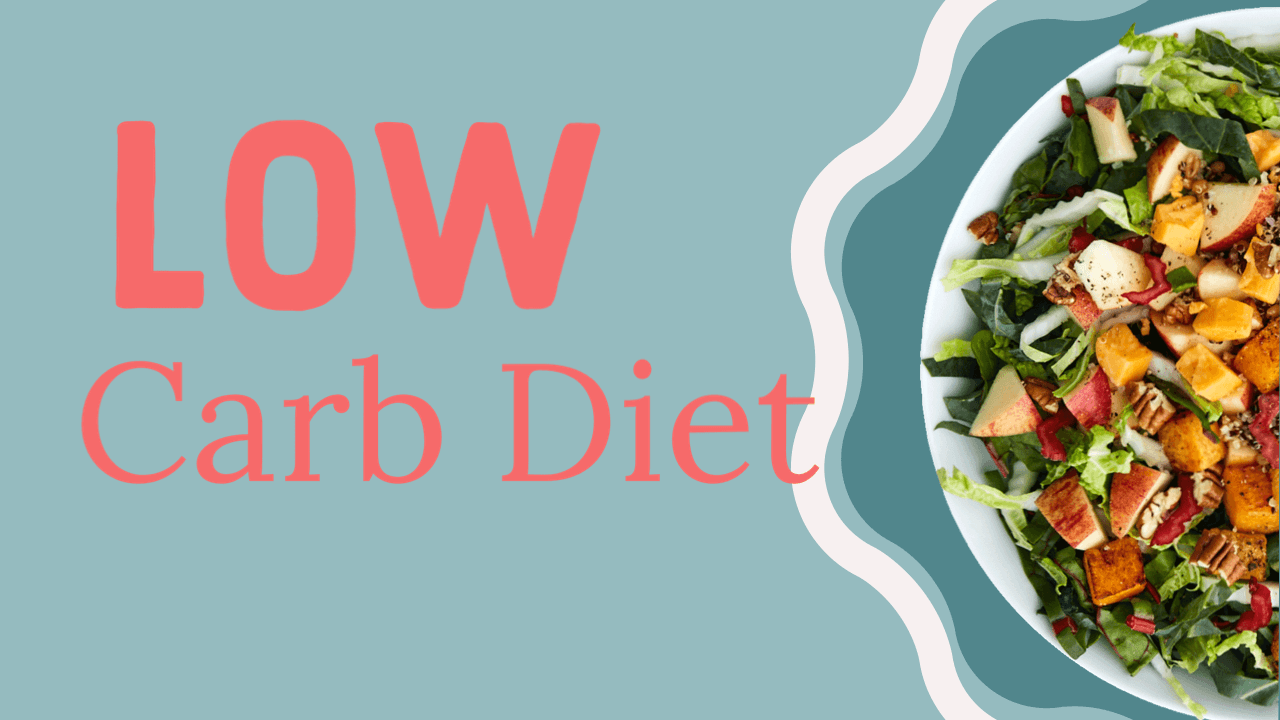
Embarking on a low-carb diet can feel akin to navigating a winding, scenic highway, where every turn reveals new opportunities for vibrant health and vitality. As you traverse this nutritional landscape, it’s essential to understand the underlying principles that govern the low-carb paradigm, as well as the myriad of choices available to you. This exploration is not merely about restriction but an invitation to embrace a new way of eating that can transform your well-being.
At its core, a low-carb diet focuses on reducing carbohydrate intake and accentuating protein and healthy fats. The rationale behind this culinary journey is straightforward yet profound: carbohydrates, particularly refined ones, can lead to spikes in blood sugar levels, prompting a cycle of energy crashes and cravings. By scaling back on these insidious carbs, you can stabilize your energy levels and drastically alter your body’s metabolic state, oftentimes entering a wondrous condition known as ketosis. In this state, your body becomes a fat-burning furnace, efficiently utilizing stored fat for energy.
Picture the allure of the Mediterranean coastline, with its sparkling azure waters and delectable produce. A low-carb diet often incorporates meals inspired by Mediterranean cuisine, rich in fresh vegetables, lean proteins, and healthy fats. Think of a plate adorned with succulent grilled salmon, drizzled with a robust olive oil and adorned with a colorful constellation of non-starchy vegetables. This culinary artwork not only tantalizes the taste buds but also nourishes the body with essential nutrients and antioxidants.
The cornerstone of your low-carb journey begins with a roster of foods that can serve as your trusty allies. Lean meats such as chicken, turkey, and grass-fed beef take center stage, providing the protein necessary for muscle repair and growth. Seafood, especially oily fish like mackerel, provides a wealth of omega-3 fatty acids that are indispensable for heart health. Eggs, often dubbed nature’s multivitamin, deliver a synergistic dose of protein and nutrients, making them an optimal choice for breakfast or a satisfying snack.
Vegetables are the true heroes of the low-carb narrative. Non-starchy varieties—such as leafy greens, broccoli, cauliflower, and bell peppers—are low in carbohydrates yet high in fiber and water content, helping you feel full and satisfied. Imagine a garden on your plate, bursting with color and life; each vegetable contributes its unique essence to your meals, providing not only crunch but also an array of vitamins and minerals.
However, the allure of low-carb dining does not end with meats and vegetables. Enter the realm of healthy fats, which can completely transform your culinary experience. Avocados, with their creamy texture, are a nutritional powerhouse laden with fiber and heart-healthy monounsaturated fats. Nuts and seeds, like almonds and chia seeds, can elevate your snacking game, offering a satisfying crunch while keeping your carbohydrate intake in check. Additionally, the richness of coconut oil and butter can enhance the flavor profile of your dishes, guiding you into a world of culinary creativity.
As you navigate this gastronomical journey, it’s crucial to remain vigilant about hidden sources of carbohydrates that can ensnare even the most astute dieter. Processed foods often masquerade as healthy options but may harbor sneaky sugars and refined grains that can thwart your progress. Reading labels with an eagle eye becomes an indispensable skill, ensuring that your choices align with your low-carb objectives.
To illustrate the practical application of a low-carb diet, consider a daily meal plan that encapsulates the varied and vibrant options available:
- Breakfast: A perfectly scrambled egg frittata studded with spinach, onions, and feta cheese, accompanied by a side of avocado.
- Lunch: A bed of arugula topped with grilled chicken, cherry tomatoes, avocado, and a drizzle of balsamic vinaigrette.
- Dinner: Herb-crusted cod nestled alongside roasted asparagus and a side of cauliflower mash, reminiscent of mashed potatoes.
- Snacks: A handful of mixed nuts or a slice of cheese with cucumber slices.
This careful curation of meals not only keeps your carbohydrate intake low but ensures that your palate remains engaged. Each meal becomes a celebration, a symphony of flavors and textures that keep your dining experience refreshing and enjoyable.
Moreover, the psychological aspects of adhering to a low-carb lifestyle ought not to be underestimated. The feeling of empowerment derived from making conscious food choices can bolster your commitment. As you witness the transformations in your energy levels, mental clarity, and perhaps even weight loss, each milestone offers further motivation to persist on this journey. Consider keeping a food journal to track not only your meals but also your feelings, energy fluctuations, and physical changes. This reflective practice can illuminate patterns, enhancing your awareness and reinforcing your resolve.
Ultimately, a low-carb diet is not merely an exercise in restraint; it is an invitation to cultivate a deep appreciation for food, flavor, and health. Like an artist wielding a brush, you hold the power to paint your plate with colors, textures, and tastes that nourish your body and soul. This nutritional odyssey can lead you to newfound vitality, illuminating the path to a healthier, more energetic you.
So, as you embark on this gastronomic experience, allow the notion of a low-carb diet to tantalize your imagination and invigorate your life. Embrace the possibilities, revel in the flavors, and discover a world of health that awaits just beyond the horizon.













