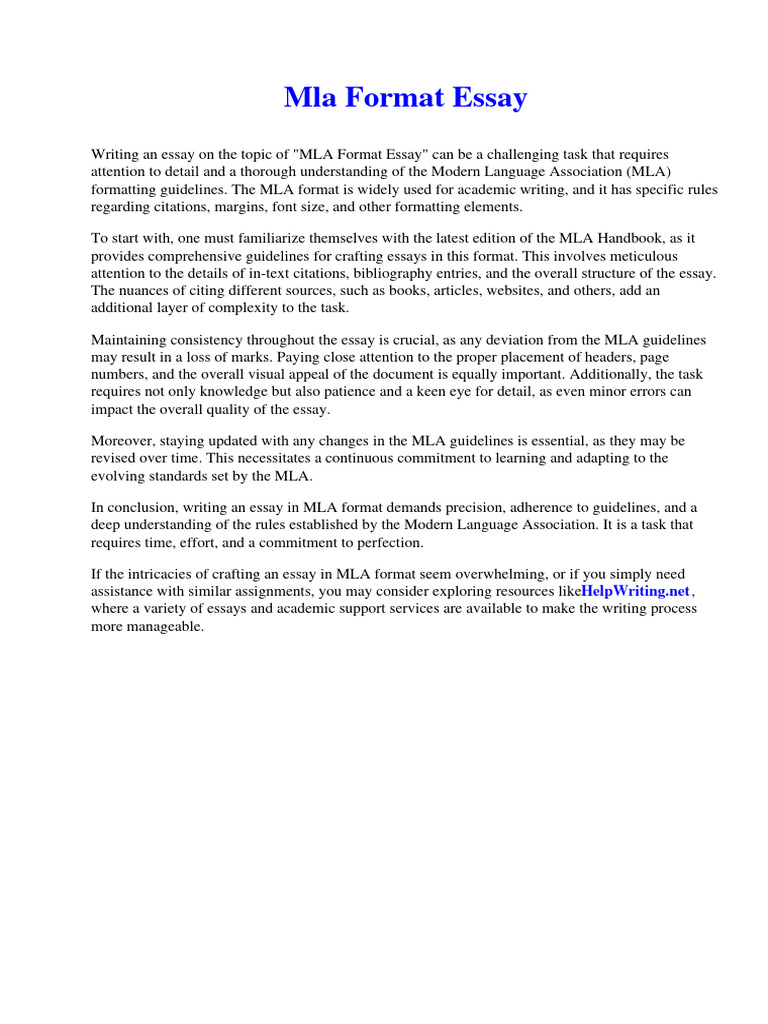
In the academic realm, formatting standards serve as guiding beacons, illuminating the path towards clarity and coherence. One such authoritative style is the Modern Language Association (MLA) format, a staple primarily utilized in liberal arts and humanities disciplines. It encompasses a set of guidelines that dictate the structure of written works, ensuring that the information presented is both accessible and aesthetically pleasing. In this article, we will explore the intricacies of an MLA format essay, delving into typical structures, essential components, and unexpected nuances that can elevate a college essay from mediocre to exemplary.
First and foremost, the very foundation of an MLA format essay lies in its structural components. An MLA essay typically comprises three main sections: the introduction, the body, and the conclusion. This three-part structure is not merely a suggestion; it is a framework that ensures logical progression. However, within this familiar layout, there are layers of complexity waiting to be uncovered. The introduction sets the tone and atmosphere, inviting readers into the discourse with a compelling hook. Whether it be a rhetorical question, an intriguing fact, or a bold statement, the introduction is pivotal in piquing interest.
The body of the essay is where the heart of the argument resides. Here, writers unfold their ideas cohesively, guiding the reader through a labyrinth of information and analysis. Each paragraph should begin with a succinct topic sentence that encapsulates the main idea, followed by supporting evidence, examples, and critical commentary. It is within these paragraphs that quotes and citations come into play—elements essential for lending credibility to arguments presented. Unlike other formats, the MLA style has a specific protocol for in-text citations, requiring the author’s last name and page number to be included in parentheses right after the quote or paraphrase. This method not only attributes credit but also fosters a scholarly dialogue among sources.
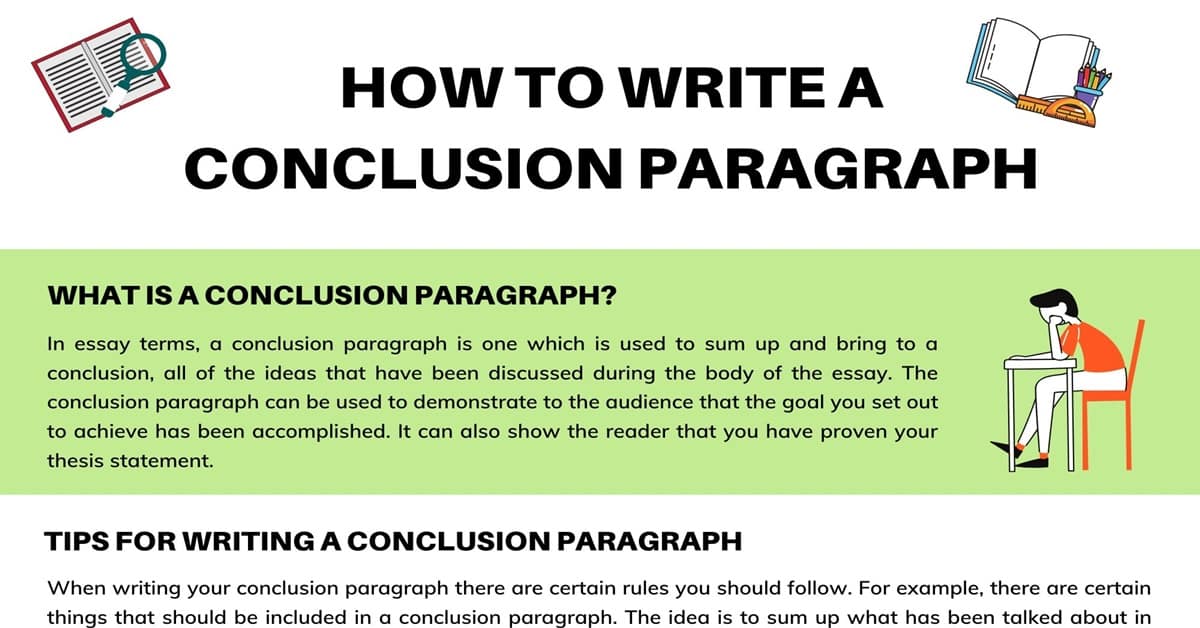
Equally crucial is the conclusion, which should not merely summarize the previous points but rather serve as the capstone of the debate. It should echo the thesis while offering new insights and reflections. Conclusively, the final impression crafted in this section can resonate deeply with readers, leaving them with a compelling sense of closure yet sparking curiosity for further exploration of the topic.
Beyond structural elements, formatting intricacies play an essential role in an MLA format essay. Margins, font type, and size may seem trivial at first glance, yet they contribute significantly to the overall professionalism of the document. MLA dictates 1-inch margins on all sides, employing a readable font such as Times New Roman, size 12. The quality of presentation matters—an unassuming detail can furthering the argument that professionalism equates to believability in academia.
Further, MLA format requires a header in the upper right-hand corner, containing the author’s last name, followed by the page number. This format encourages seamless navigation for readers; no one enjoys the frustration of searching for citations amid a plethora of text. Titles, too, must be formatted according to specific rules. Centered, without bold or italics, the title encapsulates the essence of the essay without alerting undue attention to itself. Each of these conventions, while seemingly mundane, contributes to the polished aesthetic of a well-crafted essay.
Another significant aspect often overlooked is the Works Cited page. This page acts as the scholarly equivalent of a treasure map, guiding readers towards the sources that informed the discussion within the essay. Each entry should follow the MLA guidelines rigorously, listing authors, publication dates, and other bibliographic details in a specific format. Positioning the Works Cited page at the conclusion of the essay adds to its integrity, emphasizing the interconnectedness of ideas and evidence through proper attribution.
Moreover, the beauty of an MLA format essay is not solely in its structure but also in its ability to cultivate a distinctive voice. Through nuanced language and eloquent expression, writers can punctuate their narratives with personal flair. Crafting an MLA essay invites exploration of language, encouraging the use of vivid adjectives and impactful verbs, thus drawing readers into an immersive academic experience.
One might ponder the implications of adhering to the MLA format in today’s technological age. As digital platforms evolve, the way we consume and engage with information undergoes transformation. Yet, the principles underlying MLA remain significant: clarity, consistency, and credibility. An adeptly formatted essay can transcend its medium, echoing the values of scholarly communication amidst the noise of online discourse.
Ultimately, while MLA format may impose certain constraints, it simultaneously offers a robust framework from which brilliance may flourish. In valuing clarity, coherence, and scholarly integrity, students and researchers are tasked not just with following rules but with weaving them into the fabric of their own unique narratives. The art of essay writing thus becomes a captivating interplay between adherence to format and personal expression, a dance of tradition and innovation.
The journey of mastering the MLA format is not merely an academic rite of passage but an opportunity to harness the power of language and persuasion. With each step—from structuring an introduction to crafting a thought-provoking conclusion—the writer’s perspective shifts; they learn to see the essay not as a chore but as an opportunity to engage in a vibrant intellectual dialogue. And so, the example of an MLA format essay burgeons from a simple structure into a complex entity, ready to inspire curiosity in the hearts and minds of its readers.