In an academic milieu ripe with differing styles and formats, the Modern Language Association (MLA) style stands as a beacon of clarity and precision. Its simple, yet comprehensive guidelines have transformed academic writing for many, making it easier to read and follow. But what exactly does an MLA-style paper entail? This exploration delves into the intricacies of this style guide—offering not just technicalities, but illuminating a deeper understanding of its significance.
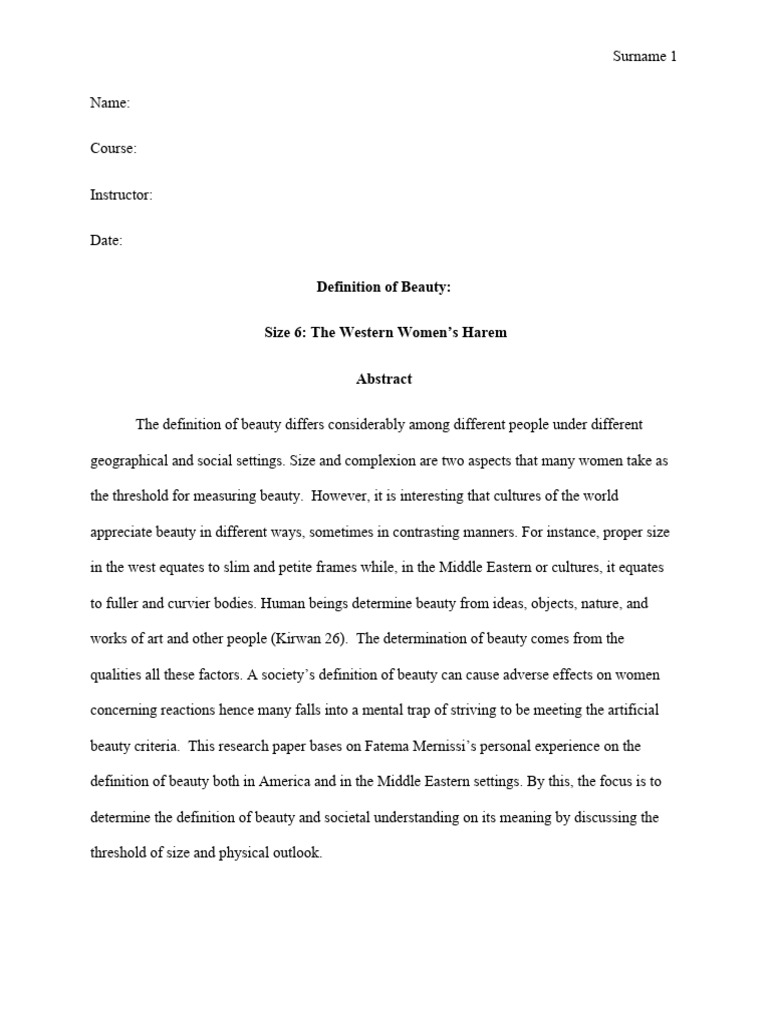
The first secret to deciphering an MLA-style paper lies in its fundamental tenets. The aspects of formatting, in-text citations, and the Works Cited page are the backbone of any written work adhering to the MLA format. The paper traditionally begins with a student’s name, instructor’s name, course title, and the date—all placed at the upper left corner of the first page. This simplistic format roots the reader, providing essential contextual information before they even delve into the content.
Next, the title follows, centered and in standard font size—most commonly 12-point Times New Roman. Herein lies a subtle yet significant element of the MLA style: it eschews bolding, italicizing, or enlarging the title, thereby fostering an understated yet elegant presentation. It silently demands attention to the content rather than the ornamentation.
As one transitions into the body of the paper, the paragraphs are indented one-half inch at the start of each new paragraph. Consequently, this indentation forms a visual roadmap, guiding the reader effortlessly through the plethora of ideas laid out. Within the body, clarity reigns supreme. Each sentence, meticulously crafted, holds the potential to propel the reader to new realms of understanding. Here, specificity is key. Words are chosen with intention, stimulating the reader’s cognitive engagement with the text.
However, an MLA paper does not rest solely on formatting; its methodological rigor blossoms through the incorporation of in-text citations. The art of citing sources is not merely a bureaucratic necessity; rather, it serves to enrich the narrative by grounding arguments in established knowledge. The MLA style employs parenthetical citations, an effective tool that allows the author to integrate quotes without overwhelming the narrative flow. For instance, when paraphrasing or quoting a source, the author’s last name and the page number are included in parentheses at the conclusion of the sentence. This minimalist approach reinforces transparency in research while promoting a continuous, fluid reading experience.
The penultimate component of an MLA-style paper is the Works Cited page. This is where the tapestry of research threads together, creating a rich exploration of sources that underpins the author’s arguments. Each entry, alphabetized by the author’s last name, echoes the notion of integrity in scholarship. Here, full bibliographic information is presented—meticulously formatted to ensure clarity—for every work cited within the text. The structure of the Works Cited page is an exemplar: hanging indentations, double-spacing, and consistent formatting provide a stunning array of information that beckons the reader to explore further.
Let’s navigate through the symbiosis of each of these components. Together, they create an eloquent narrative that captures and maintains interest. An MLA paper operates not merely as a collection of words, but as a living document that bridges the gap between the author and the audience. Each cited source offers a point of reference, a pathway through which readers can traverse the landscape of ideas. This is a captivating prospect—it invites inquisitiveness and encourages exploration.
Moreover, the MLA style encapsulates a shifting paradigm in academic writing. Gone are the days when verbosity reigned supreme. Today’s academic papers, especially in the humanities, prioritize concise expression. This is not to suggest that complexity is eschewed; rather, it is mediated by lucidity. Ultimately, this convergence cultivates a scholarly environment that nurtures engagement and fosters intellectual exchange.
As we delve deeper into the essence of an MLA paper, one transcends the mere mechanics of citations and paragraphs. A narrative emerges—one that highlights the writer’s voice and perspective within the broader academic discourse. This inherent relationship between individual insights and collective knowledge reverberates throughout the text, making a powerful statement: every scholarly work contributes to the tapestry of understanding that transcends generations.
For those embarking on the journey of academic writing, mastering the intricacies of the MLA style is paramount. It promotes intellectual rigor while allowing for an authentic expression of thought. Indeed, the shift in perspective that comes with understanding this style is both profound and liberating. Writers are no longer shackled by arbitrary constraints; they are equipped with a toolkit that enhances their ability to communicate effectively and compellingly.
In summation, an MLA-style paper is more than a visually appealing document; it is an intricate tapestry woven from careful formatting, strategic citations, and a dedication to clarity and elegance. This academic style promises not only a well-structured approach to writing but also an invitation for intellectual curiosity and engagement. Within its confines lies the opportunity to explore, critique, and contribute—a compelling prospect that reinvigorates the art of scholarly writing.