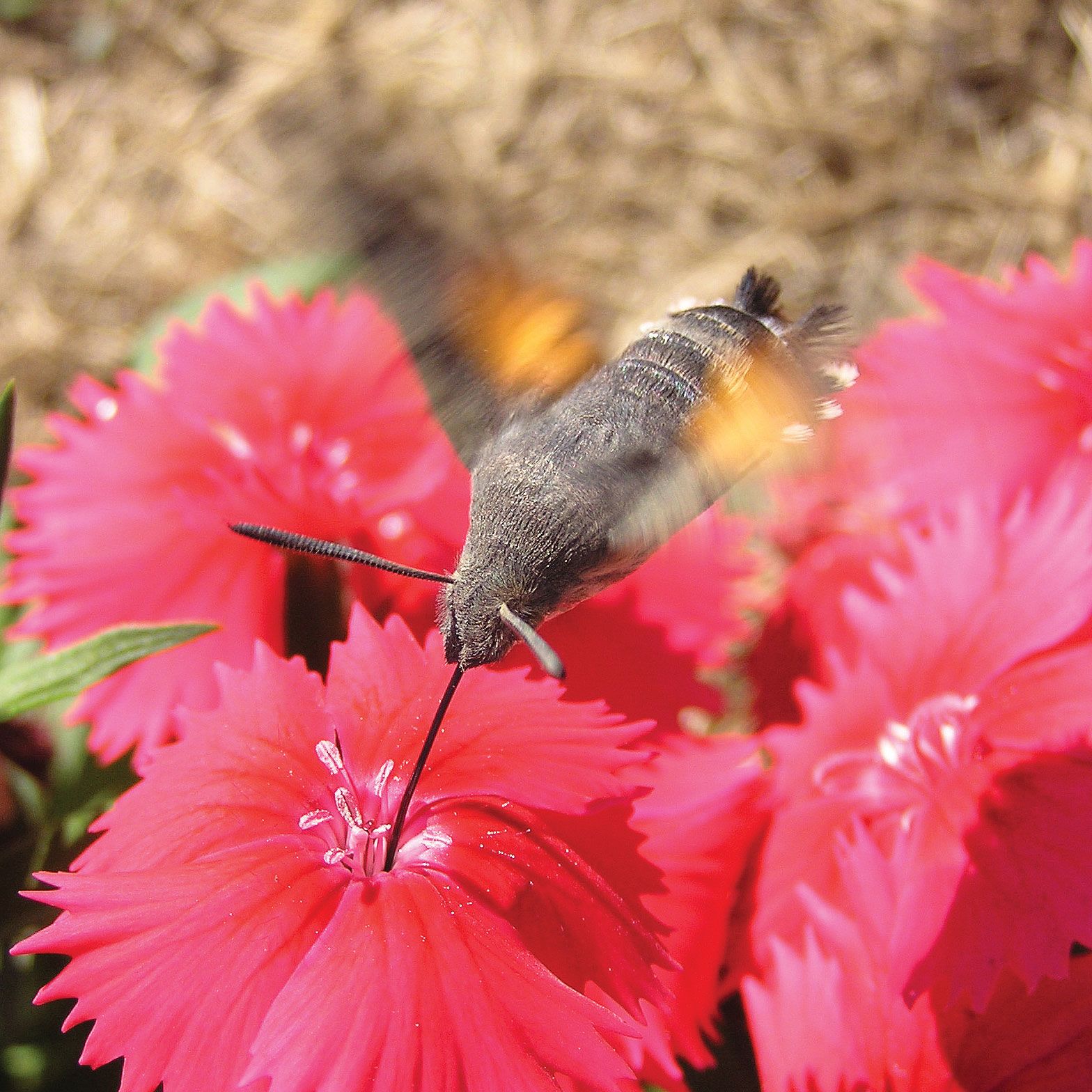
In the intricate web of life on Earth, organisms interact in myriad ways, but few interactions are as fascinating and multifaceted as mutualism. This symbiotic relationship is characterized by the reciprocal benefits it fosters among species, often leading to enhanced survival and reproductive success. While the concept might seem straightforward at first glance, the nuances and implications of mutualism provide a deeper appreciation for the interconnectedness of life. One remarkable, yet often overlooked, example of mutualism lies within the world of pollinators and flowering plants, specifically the enchanting relationship between hummingbirds and various flower species.
At first, the sight of a hummingbird darting from blossom to blossom may evoke a simple notion of flower visitation for nectar extraction. However, this seemingly trivial act conceals a profound ecological narrative. Hummingbirds are equipped with specialized adaptations, including long, slender bills and hover-flying capabilities, that allow them to access nectar hidden deep within tubular flowers. As these avian visitors feed, they inadvertently become agents of pollination. Pollen grains, which are often sticky, adhere to their feathers and bodies. When a hummingbird moves on to another flower, it transfers this pollen, facilitating fertilization and subsequent seed development. This interaction exemplifies a quintessential case of mutualism: the hummingbird gains sustenance while the plant increases its reproductive success.
Moreover, the relationship extends beyond mere feeding; it showcases a remarkable evolutionary arms race. Flowering plants have evolved unique shapes, colors, and fragrances to attract specific hummingbird species, ensuring efficient pollination. For instance, brightly colored tubular flowers, often red or orange, are particularly appealing to hummingbirds, whose vision is attuned to these vibrant hues. Conversely, hummingbirds exhibit specialized feeding behaviors and anatomical features, such as an elongated tongue, which allows for efficient nectar extraction from these specially adapted flowers. This reciprocity not only fuels individual growth and success but also drives biodiversity within ecosystems, illustrating the profound interdependence among species.
In examining this mutualistic relationship further, one must consider the ecological context and potential consequences of hummingbird foraging. These birds are not solitary actors; they exist within a dynamic community comprising various plant species and other pollinators. As hummingbirds preferentially feed on specific flowers, they inadvertently shape the floral composition of their habitats. This selective foraging can lead to a feedback loop, where the abundance of certain plants reinforces the presence of hummingbirds, which in turn supports the plants’ reproductive cycles. Such interactions highlight the importance of maintaining biodiversity, as disruptions in one species’ population—be it through habitat loss or climate change—can ripple through the ecosystem, diminishing the health and resilience of interconnected organisms.
While hummingbirds and flowering plants provide a captivating illustration of mutualism, similar relationships can be observed across various taxa. For instance, take the iconic partnership between clownfish and sea anemones. Clownfish exhibit a unique adaptation that allows them to reside safely among the stinging tentacles of anemones. In exchange for protection from predators, clownfish provide nutrients through their waste and keep the anemone clean by removing debris and parasites. This mutualism not only enhances the survival rates of clownfish but also ensures the vitality of anemones. The duality of protection and nourishment serves as a testament to the complexity of these biotic interactions.
Interspecies cooperation extends beyond terrestrial and aquatic environments; an intriguing mutualism unfolds in the animal kingdom between oxpeckers and large herbivores such as buffalo and rhinoceros. Oxpeckers serve as nature’s janitors, perching on the backs of these colossal animals and feeding on ticks, parasites, and dead skin. The herbivores benefit from reduced parasitic loads while the birds secure sustenance, exemplifying an ecological partnership rooted in survival. However, the relationship is not without its shades of gray—some studies suggest that oxpeckers may also engage in pecking at the host’s wounds, highlighting the potential for conflict within mutualistic arrangements.
These vivid examples underscore a critical observation: mutualism is not merely about cooperation but often entails a spectrum of interactions that encompass both benefits and potential drawbacks. What fuels the fascination with these relationships is not solely their mutualistic nature, but rather the evolutionary arms races, adaptations, and ecological consequences that arise. By delving deeper into the mechanisms and intricacies of these exchanges, it becomes evident that mutualism serves as a vivid illustration of nature’s adaptability and resilience.
In conclusion, mutualism in biology encapsulates the essence of interdependence, unveiling rich tapestry threads of cooperation woven throughout the natural world. From hummingbirds and flowers to clownfish and anemones, these interactions resonate with themes of survival, evolution, and diversity. They serve as reminders that life is not an isolated endeavor; rather, it is a collaborative dance that shapes ecosystems and influences the continuum of life. As we appreciate these relationships, we are compelled to acknowledge our role in preserving and nurturing the delicate balance that sustains the interconnected web of existence.