In the intricate web of natural phenomena and man-made systems, negative feedback loops often surface as remarkable mechanisms of self-regulation. These loops are the unsung heroes that maintain equilibrium and stability across various domains, such as ecology, engineering, and even economics. To better comprehend their remarkable utility and implications, let’s delve into several thought-provoking examples that exemplify the fascinating operation of negative feedback loops.
1. Body Temperature Regulation
One of the most fundamental examples of a negative feedback loop is the regulation of body temperature in mammals. When the human body experiences a rise in temperature, say due to excessive heat or vigorous exercise, a complex interplay of physiological responses commences. The hypothalamus, acting as the body’s thermostat, detects this increase. In response, it triggers mechanisms such as sweating and increased blood flow to the skin. As sweat evaporates, it cools the body down, nudging the temperature back to its optimal level. Conversely, if body temperature dips too low, shivering ensues, and blood vessels constrict to conserve heat. This elegant system not only preserves bodily functions but also highlights the dynamic ability of organisms to adapt to their environments.
2. Predator-Prey Dynamics
In ecological systems, the predator-prey relationship demonstrates a delicate balance sustained by negative feedback loops. Take, for instance, the classic scenario of wolves and deer. When deer populations increase, an ample food supply supports larger wolf populations. However, as wolf numbers rise, the pressure on the deer to survive accelerates, resulting in a decline in their population. Consequently, fewer deer mean a reduction in the predator population due to scarce resources. This cycle repeats itself, illustrating how nature utilizes feedback loops to maintain ecological balance. The oscillations in population sizes can evoke a sense of wonder regarding the inherent checks and balances in our ecosystems.
3. Economic Markets
Economic systems often mimic living organisms, thriving under various forms of feedback mechanisms. A pertinent example arises in the realm of supply and demand dynamics. When the demand for a product surges, prices typically inflate, incentivizing producers to increase output. However, as supply catches up with demand, prices stabilize or may even decrease, curtailing further production. This self-correcting loop not only exemplifies negative feedback on a microeconomic scale but also reveals the intricacies of consumer behavior and market fluctuations. The fluidity of this system invites curiosity about how interventions, like government regulations or external shocks, can disrupt natural feedback behaviors.
4. Homeostatic Mechanisms in Biology
Homeostasis, the term for maintaining stability within biological systems, is rife with examples of negative feedback loops at play. Consider the intricate regulation of blood glucose levels. When glucose levels elevate post-meal, the pancreas secretes insulin. Insulin facilitates the uptake of glucose by cells, lowering blood sugar levels back to a homeostatic range. Conversely, when glucose levels dip too low, the pancreas releases glucagon, prompting the liver to release stored glucose. This constant monitoring and adjustment mechanism ensure that energy levels remain in check, allowing organisms to function optimally even in varying conditions.
5. Climate Regulation Through Carbon Dioxide Concentration
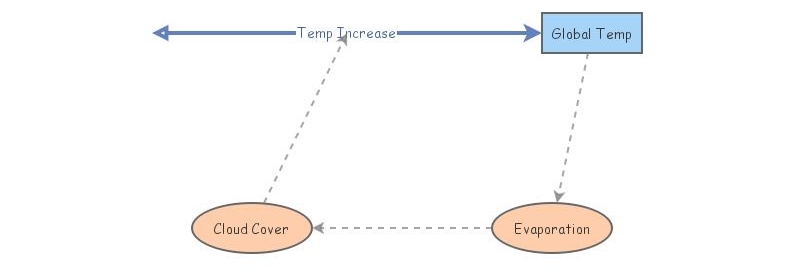
At a more global scale, climate systems exhibit negative feedback loops in relation to carbon dioxide concentrations. As atmospheric CO2 increases due to human activities, various natural processes strive to mitigate its effects. For instance, higher temperatures lead to an increase in plant growth in some regions, enhancing photosynthesis that utilizes CO2. Additionally, warmer ocean temperatures promote more profound carbon absorption, acting as a buffer against climatic extremes. However, this scenario also creates a paradox, as the very processes intended to stabilize the climate may inadvertently contribute to ongoing changes through complex ecological interactions.
6. Technological Systems: Feedback in Control Mechanisms
In technology, negative feedback loops are fundamental to control systems, such as thermoregulators in devices. Consider a home thermostat tasked with maintaining a designated temperature. When the temperature exceeds the setpoint, the system activates cooling mechanisms, such as air conditioning, thereby reducing the temperature. Once the desired temperature is attained, the system deactivates, conserving energy while ensuring comfort. Such automated feedback systems echo the sophistication of natural feedback loops, highlighting humanity’s continual endeavor to emulate nature’s efficient designs.
7. Psychological Mechanisms: Emotional Regulation
Intriguingly, negative feedback loops also manifest within the realm of psychology. Emotional regulation is a prime example where individuals assess their feelings and actions to maintain mental and emotional well-being. For instance, experiencing high levels of stress may lead one to engage in mindfulness practices or seek professional help. The ensuing relief from stress reinforces adaptive behaviors that prevent further psychological decline. This cycle of self-correction offers insights into the human condition, where awareness and introspection can lead to profound transformation.
In conclusion, negative feedback loops are pervasive, intricate networks woven into the fabric of our existence. They manifest in various contexts, from the biological realm to economic structures, demonstrating the beautiful interplay between self-regulation and adaptation. By understanding these loops, we foster a deeper appreciation for the complexity of life and the myriad ways systems—both natural and artificial—strive for balance amid chaos. As we continue to unravel these enigmatic mechanisms, one cannot help but be intrigued by their potential to guide the future of our systems, both biological and societal.