Crafting a compelling speech requires meticulous planning and a well-structured outline. An effective outline serves as a roadmap, guiding both the speaker and the audience through the trajectory of ideas. In this exploration of an example outline of a speech, we delve into the intricacies of speech composition, offering a comprehensive framework that promises to enrich your understanding and execution of public speaking.
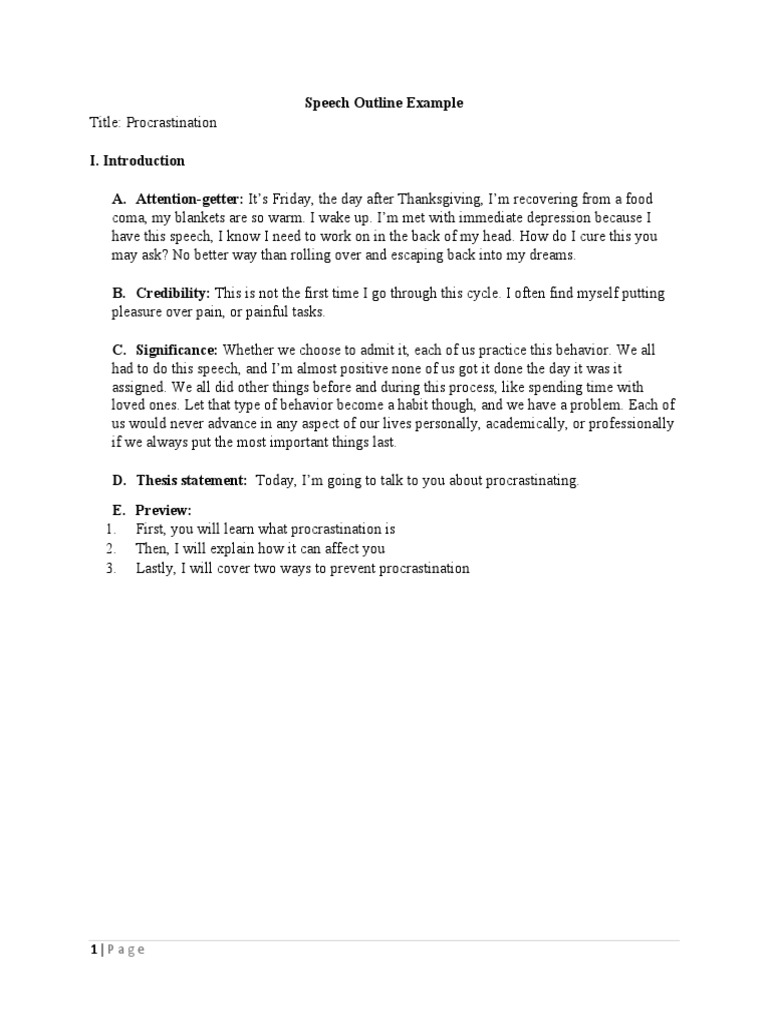
At its core, a speech outline comprises several essential components: the introduction, body, and conclusion. Each section serves a distinct purpose, contributing to the overall efficacy of your presentation. The following outline exemplifies a well-rounded speech structure, providing insights into the nuances of each segment.
1. Introduction
The introduction is your first encounter with the audience. It sets the tone and invites listeners into your world. Consider the following elements:
- Opening Hook: Begin with a striking statement, a thought-provoking question, or a captivating anecdote that immediately captures attention. For instance, “Have you ever felt as though the world was urging you forward, yet you remained stagnant?”
- Establish Credibility: Share pertinent credentials, personal anecdotes, or educational background that legitimizes your authority on the subject. This fosters trust and signals to the audience that they are in capable hands.
- Thesis Statement: Articulate the central idea of your speech succinctly. This serves as the guiding principle, ensuring that all subsequent points align with this core message.
- Preview of Main Points: Provide a brief overview of what to expect. This helps frame the discussion and prepares listeners for the journey ahead.
2. Body
The body of the speech is the crux of your message. This section will encompass the majority of your content, meticulously organized to ensure clarity and persuasiveness. A traditional approach divides the body into several key points, each supported by evidence and elaboration.
Point 1: Importance of the Topic
- Sub-point A: Discuss the relevance of the topic in contemporary society. Use statistics or recent findings to substantiate claims, fostering a sense of urgency and importance.
- Sub-point B: Narrate a personal story or case study that exemplifies the significance of the topic. An emotional connection can often resonate more than pure logic.
Point 2: Challenges Faced
- Sub-point A: Identify the common pitfalls or misconceptions surrounding the topic. This helps clarify misunderstandings and engages the audience in critical thinking.
- Sub-point B: Explore the barriers to change or acceptance. Discuss cultural, social, or economic hurdles that must be navigated, making the discourse relevant and grounded in reality.
Point 3: Proposed Solutions
- Sub-point A: Present innovative strategies or approaches to overcome the identified challenges. Each solution should be actionable, offering the audience a clear path forward.
- Sub-point B: Encourage audience participation or feedback on potential solutions. Interactive elements can heighten engagement and facilitate a collaborative atmosphere.
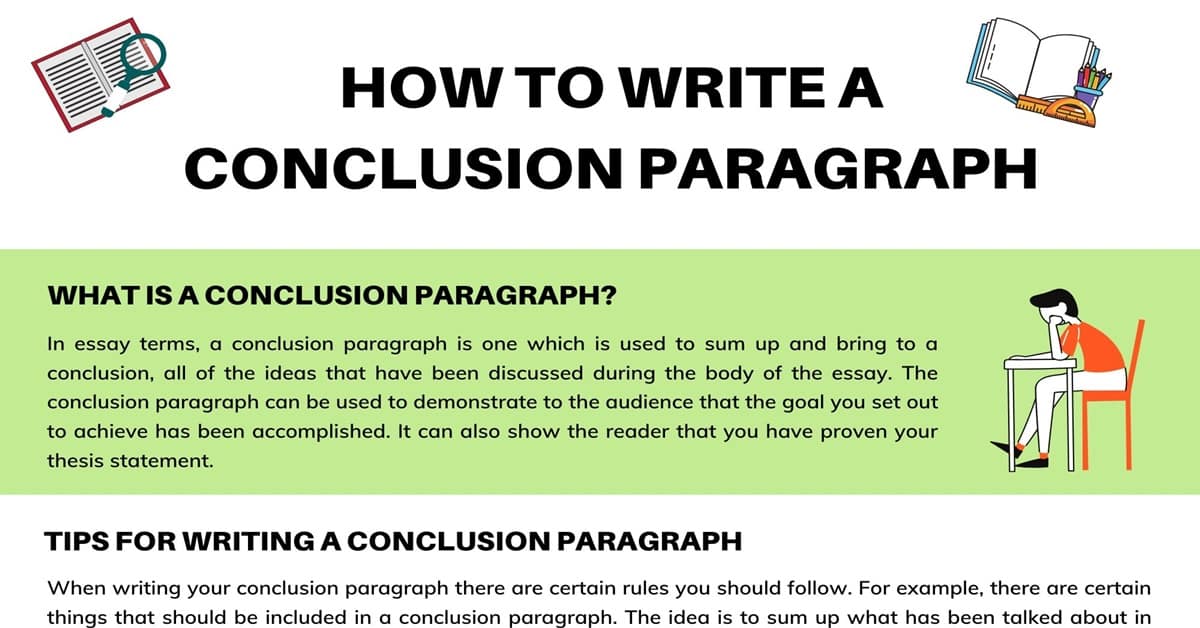
3. Conclusion
The conclusion is your opportunity to leave a lasting impression. It should succinctly encapsulate the essence of your speech and inspire action.
- Recap of Main Points: Briefly reiterate the primary arguments made throughout the speech. A concise summary reinforces the key messages in the audience’s minds.
- Call to Action: Empower your audience with a specific directive. Whether it’s urging them to change their perspectives or get involved in a cause, a powerful call can spark a transformation.
- Closing Thought: End with a poignant quote, a rhetorical question, or a striking fact that lingers with your audience long after the speech has concluded. This final touch can catalyze introspection and discussion.
4. Tips for Delivery
While crafting a comprehensive outline is fundamental, the delivery of your speech is equally paramount. Consider the following tips:
- Practice: Rehearsing your speech aloud can reveal areas needing refinement. This also aids in familiarizing yourself with the content, enhancing confidence.
- Body Language: Employ gestures and facial expressions to convey passion and engagement. Non-verbal cues can often underscore verbal messages.
- Vocal Variety: Modulate your tone and pace. Varying your voice can maintain interest and emphasize critical points.
In conclusion, a well-structured speech outline is indispensable for effective communication. From the potent opening to the resonant closing, each element plays a vital role in converting ideas into action. The nuances of the speech’s body, infused with personal anecdotes and cited evidence, can enrich the listener’s experience. By harnessing these principles and integrating them into your outlines, you can transcend conventional speaking norms and engage your audience in transformative conversations. Let your words not only convey information but also inspire a shift in perspective, piquing curiosity long after your speech resonates into silence.