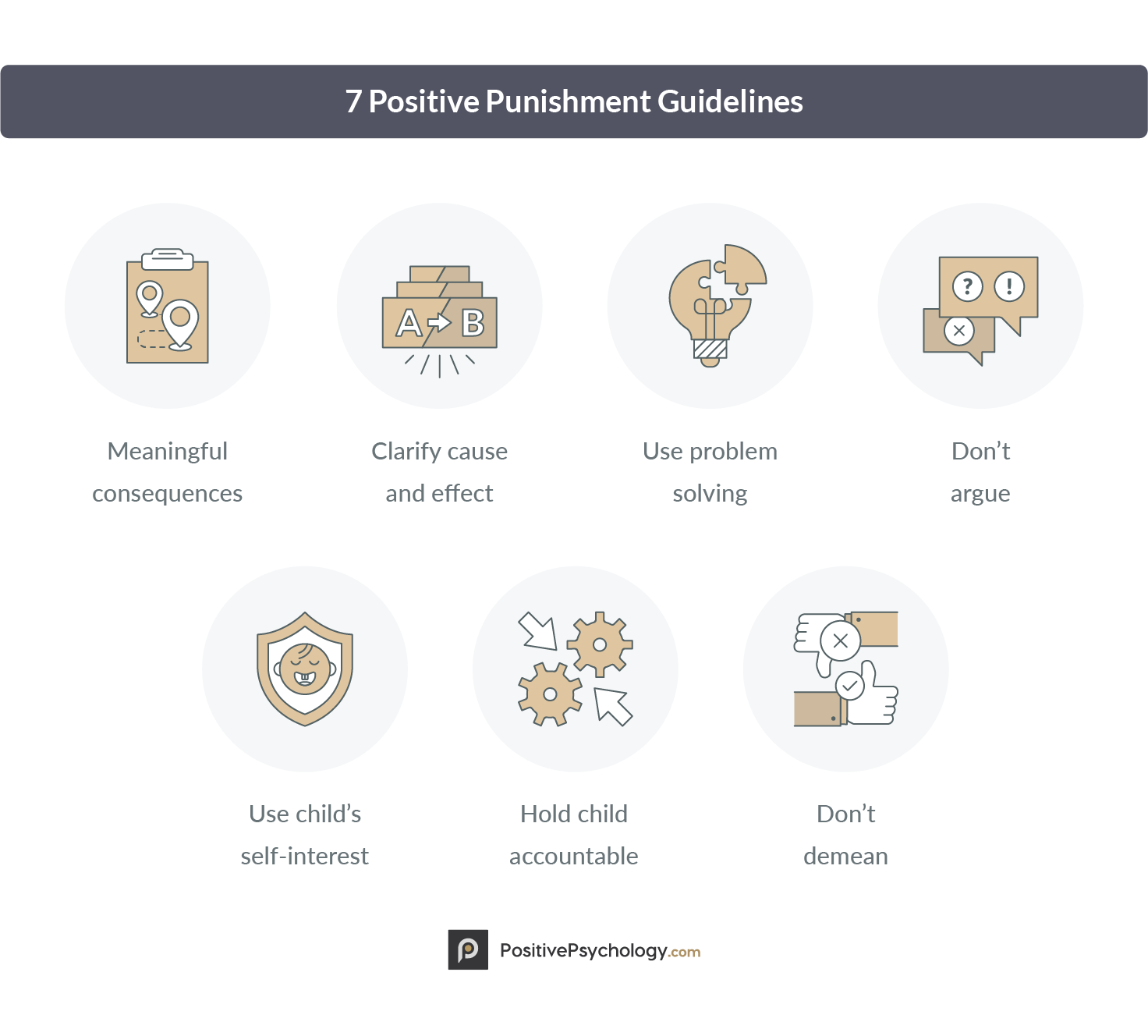
In the realm of behavioral psychology, positive punishment serves as a fascinating yet intricate method for shaping behavior. Understanding the nuances of positive punishment requires a lucid delineation of its mechanisms, applications, and examples. By providing aversive consequences following a behavior, positive punishment seeks to reduce the likelihood of that behavior recurring in the future. In this article, we will explore various manifestations of positive punishment, its implications, and how it permeates our everyday lives.
Defining Positive Punishment
Positive punishment is often misunderstood; it does not imply a positive or beneficial outcome but rather refers to the addition of an aversive stimulus. This particular type of punishment contrasts with negative punishment, where a favorable stimulus is removed. To conceptualize positive punishment clearly, one might consider the classic behavioral framework established by B.F. Skinner, which elucidates how consequences shape behavior.
Examples in Everyday Life
One can encounter examples of positive punishment in various domains, including education, parenting, and even in the workplace. Each setting showcases different methodologies, underlying motives, and specific outcomes.
1. School Settings
Within educational institutions, positive punishment often manifests through disciplinary actions. For instance, a student might receive extra assignments or detention for disruptive behavior in class. By imposing these additional tasks, educators impose a consequence intended to diminish such conduct in the future. While this approach aims to foster accountability, its effectiveness often hinges on the student’s understanding of underlying rules and their intrinsic motivation to adhere to them.
2. Parenting Techniques
In the context of child-rearing, parents might employ positive punishment strategies to correct undesirable behaviors. Consider a scenario in which a child refuses to complete chores. The parent might respond by adding an unpleasant task, such as extra chores or limiting access to a favorite activity. This method aims to reinforce the expectation of responsibility. Nevertheless, there is a delicate balance to maintain, as excessive reliance on positive punishment can lead to resentment and rebellion rather than compliance.
3. Workplace Discipline
Employers sometimes deploy positive punishment to cultivate a productive work environment. For example, an employee who fails to meet project deadlines might be assigned additional tasks or face reduced privileges, such as later promotion opportunities. While employers seek to engender accountability and high performance, it is imperative to approach this with caution. The potential for fostering animosity or disengagement looms if employees perceive the added burdens as punitive rather than motivational.
4. Animal Training
Positive punishment is also prevalent in animal training, where trainers may utilize aversive stimuli to discourage unwanted behaviors. For instance, a dog that barks excessively might be sprayed with water as a deterrent. This classic example reflects how trainers add an unpleasant experience to modify behavior. However, ethical considerations abound. Trainers must ensure that such methods prioritize the animal’s welfare alongside effective learning.
The Role of Timing
A critical aspect of positive punishment is the timing of the aversive stimulus. Immediate consequences generally forged stronger associations between behavior and outcome. For example, a student who is reprimanded right after disruptive behavior is more likely to connect the two events, leading to greater compliance moving forward. Conversely, delayed punishment may dilute the impact, enabling cognitive dissonance and justification of continued misbehavior.
Emotional Repercussions
It’s pertinent to consider the emotional repercussions of employing positive punishment as a disciplinary method. The introduction of aversive conditions can instigate fear, anxiety, or resentment—emotions that may adversely affect an individual’s motivation, self-esteem, and overall psychological health. Therefore, a nuanced approach that includes positive reinforcement for desired behaviors can create a more balanced behavioral modification strategy, ultimately proving to be more effective.
Alternatives to Positive Punishment
There are numerous alternatives to positive punishment that can foster better behavior without aversive stimuli. Positive reinforcement, for instance, encourages desired behaviors through rewards, creating an environment where individuals feel motivated to succeed. In educational and parenting contexts, emphasizing praise for good behavior can be more beneficial in the long term, fostering a positive relationship and a desire for self-improvement without fear of retribution.
Conclusion: Navigating Positive Punishment
Positive punishment, while effective in certain scenarios, warrants careful consideration and discernment. Its implementation requires a keen understanding of the individual involved, as well as the potential repercussions. By integrating insight, empathy, and alternative strategies, one may navigate the complexities of behavior modification and instill a sense of accountability without compromising emotional well-being. Ultimately, the goal rests not solely in curbing undesirable behaviors but in fostering a harmonious balance that promotes growth and development across various settings.