Creating a compelling resume is an essential step in the job application process. A well-crafted resume not only showcases your qualifications and experiences but also acts as a marketing tool that conveys your professional identity to potential employers. Various formats and styles exist, each tailored to highlight different aspects of your career journey. Below, we will delve into multiple facets of resume examples to give you a comprehensive understanding of what a strong resume entails.
1. Functional Resume: Emphasizing Skills Over Work History
The functional resume format focuses on your skills and abilities rather than your chronological work history. This approach is advantageous for job seekers who may have gaps in their employment or are transitioning into a new career field. An example functional resume might begin with a skills summary section, detailing relevant competencies such as project management, communication, and leadership. Following this, a brief work history may be included, but it is significantly less emphasized than skill demonstrations.
2. Chronological Resume: The Traditional Powerhouse
This traditional format showcases your work history in reverse chronological order, placing your most recent experience at the forefront. A chronological resume is perfect for candidates with a solid work history in a specific industry. This format usually begins with a contact information header, immediately followed by an objective or summary statement. Listing job titles, companies, durations of employment, and responsibilities or achievements for each role provides potential employers with a clear narrative of your career progression.
3. Combination Resume: Balancing Skills and Experience
The combination resume melds elements from both the functional and chronological formats. This versatile approach allows job seekers to highlight relevant skills while still presenting a detailed employment history. A combination resume might open with a strong skills section, followed by a chronological work history. This format suits individuals with substantial experience and diverse skills that they wish to showcase in a cohesive manner.
4. Targeted Resume: Tailored for Specific Positions
Creating a targeted resume means customizing your resume for a specific job application. This involves meticulously scrutinizing the job description and aligning your skills, experiences, and achievements with the requirements listed. A targeted resume highlights the most relevant attributes, increasing your chances of catching the hiring manager’s eye. Specific keywords from the job listing should be seamlessly incorporated, ensuring that both human and applicant tracking systems recognize your qualifications.
5. Creative Resume: Showcasing Personality and Innovation
For those in creative fields, such as graphic design or marketing, a creative resume is an excellent venue to express your individuality. These resumes typically utilize unique layouts, color schemes, and graphics to captivatingly present information. They can include infographics, skill charts, and visual elements that represent personal branding. While a creative resume can certainly stand out, balance is crucial, as it should still convey professionalism and clarity, ensuring all necessary information is easily accessible.
6. Resume Formats for Different Career Stages
Different career stages necessitate varying resume styles. Recent graduates, for example, may favor a more functional or combination format as they possess limited professional experience. Highlighting education, internships, and projects can help illustrate their skill sets effectively. Conversely, seasoned professionals often leverage the chronological format to exhibit an extensive work history, showcasing lifelong achievements and competencies accrued over time.
7. International Considerations: Global Resume Standards
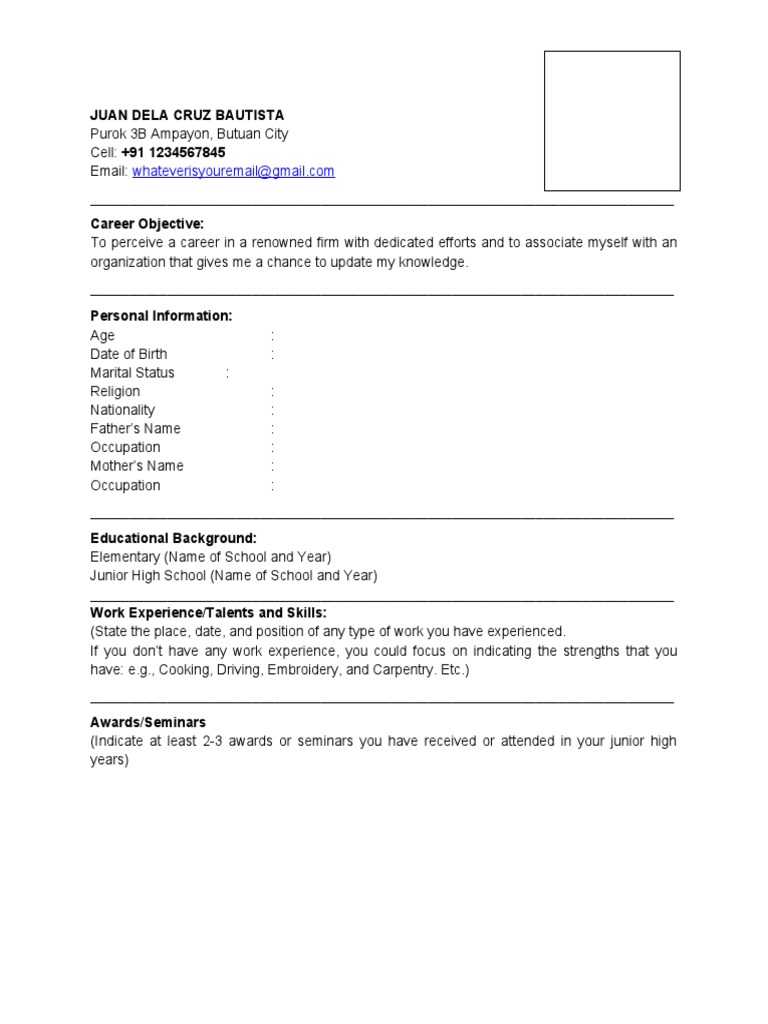
When applying for jobs abroad, it’s wise to understand international resume standards which can differ significantly from U.S. norms. For instance, European resumes often include personal information such as age or nationality, which is generally avoided in American resumes. The structure and formatting may also vary; a resume in Germany may be more detailed, while one in Australia might lean towards a concise presentation. Awareness of these nuances can greatly improve your chances of success in an international job market.
8. The Importance of Keywords and ATS Optimization
In today’s digital landscape, many employers rely on Applicant Tracking Systems (ATS) to filter resumes. This means that integrating relevant keywords from the job listing is crucial. An effective resume utilizes terminology related to skills, tools, and experiences that the ATS will recognize. However, the incorporation of keywords should feel organic; overstuffing your resume can lead to a disjointed narrative. Aim for a natural flow that effectively conveys your qualifications.
9. Highlighting Achievements: Beyond Responsibilities
Merely listing job duties can make a resume blend into the myriad of applications that employers encounter. To stand out, it is vital to emphasize accomplishments that quantify your contributions. Instead of saying, “Managed a team,” you could say, “Successfully managed a team of 10, increasing project efficiency by 30%.” Evidence of your impact within previous positions gives potential employers a clearer picture of the value you can bring to their organization.
10. The Visual Appeal: Clean Formats Enhance Readability
The visual layout of a resume significantly influences how information is perceived. A cluttered or overly designed resume can detract from your qualifications. Adopting a clean, professional format—with consistent fonts, clear headings, and adequate spacing—enhances readability. Using bullet points for lists, maintaining a logical flow of information, and ensuring a cohesive color scheme can make your resume inviting and engaging.
Conclusion
Your resume is a powerful reflection of your professional journey. By choosing the right format, tailoring content to specific job applications, and presenting achievements persuasively, you create a resonant narrative that speaks to potential employers. As you craft your resume, remember that it is not only a collection of experiences—it is an introduction to your personal brand and professional capabilities.