The resume is akin to a well-crafted ship, designed to navigate the tumultuous seas of the job market. Just as a ship requires a sturdy hull, sails that catch the winds of opportunity, and a captain who knows the stars, your resume needs a robust structure, highlighted skills, and a clear direction. Among its many components, the skills section serves as the ship’s compass, guiding prospective employers through the vast ocean of applicants to the treasure of your unique capabilities.
In the realm of job hunting, potential employers are often like adventurous explorers, seeking the best crew for their journeys. The skills section on a resume can illuminate the path ahead, showcasing not just your capabilities but also your adaptability and potential contributions to the ship’s course. Herein lies the art of selecting the right skills to highlight, making your resume not just a document, but an irresistible vessel of your professional identity.
Crafting Your Skills Section: An Exploration
To construct a compelling skills section, commence with introspection. Reflect on the myriad skills acquired through your experiences, whether through formal employment, volunteer work, or personal projects. Think of these as gems in an artisan’s chest, each glimmering with promise. However, not all gems are created equal; some shine brighter for specific roles. Tailor your skills list to the needs of the prospective employer by analyzing the job description and identifying keywords that resonate with their requirements.
Categorizing Skills: A Delicate Balance
To present these gems in a way that captivates, consider categorizing your skills into distinct groups. There exists a beautiful dichotomy between hard skills and soft skills. Hard skills—like technical proficiencies, foreign language mastery, or project management certifications—are akin to the intricate gears of a well-oiled machine. They are quantifiable, tangible, and often serve as the primary benchmarks in technical fields.
Conversely, soft skills—such as interpersonal communication, leadership capabilities, and problem-solving aptitude—can be imagined as the winds that fill a ship’s sails. While they may elude precise measurement, they are crucial for navigating the unpredictable waters of workplace dynamics. A resume that adeptly blends hard and soft skills provides a holistic view of your professional prowess, drawing readers into the narrative of your expertise.
Examples of Skills: A Spectrum of Possibilities
When drafting the skills section, creativity is paramount. Be specific, as specificity can ignite excitement and curiosity. For instance, instead of merely listing “customer service,” consider “exceptional customer relationship management,” a phrase that evokes a higher level of engagement. Similarly, rather than stating “computer skills,” one might assert “proficient in advanced data analytics and visualization tools,” illustrating a deeper depth of knowledge. This transformation of commonplace phrases into vivid descriptors not only elevates a resume but makes it memorable.
Quantifying Skills: Measuring Your Impact
In addition to compelling descriptions, quantification can serve as an invaluable tool in the skills arsenal. Just as a captain would measure the speed and distance traveled, so should you articulate your accomplishments through numbers and metrics. For example, instead of claiming “responsible for increasing sales,” one could declare “achieved a 25% increase in sales over two quarters through strategic outreach initiatives.” By anchoring your skills in quantifiable achievements, you provide tangible proof of your capabilities, a beacon shining brightly amidst the fog of generic claims.
The Aesthetic Appeal: Presenting Your Skills
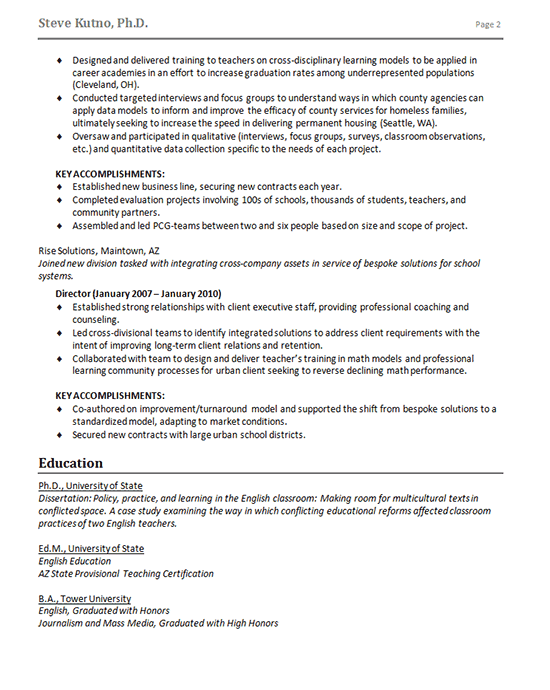
Visual presentation plays a critical role in the overall effectiveness of a resume. Imagine your skills section akin to the ship’s deck—clean, organized, and inviting. Employ bullet points or distinct categories to enhance readability, ensuring that each gem shines in its allocated space. A study conducted by career professionals suggests that clarity and conciseness in resume layout can dramatically influence the hiring manager’s first impression. Remember, a cluttered deck may lead to confusion, while a well-structured section encourages exploration.
Soft Skills: The Hidden Currents
While hard skills might often take center stage, soft skills are the unseen currents that can propel a resume forward. These skills are paramount in collaborative environments where interpersonal interactions can dictate success. Phrases like “adept at fostering inclusive team climates” or “skilled in navigating complex negotiations” speak to a versatility that technical skills cannot capture alone. Including a balanced mix of soft skills not only broadens appeal but paints a picture of a candidate capable of thriving amid dynamic circumstances.
Final Thoughts: Navigating the Waters Ahead
As you embark on the journey of constructing your resume, remember that the skills section is not merely a list; it is a dynamic narrative that encapsulates your professional identity and ambitions. Through careful selection, quantification, and aesthetic presentation, you can create a section that not only captures attention but also resonates with the aspirations of potential employers.
Like a ship setting sail toward uncharted territories, your resume must embody both confidence and curiosity. Each skill listed is a wave propelling you toward new horizons. Embrace the art of showcasing your abilities, nurturing your unique narrative, and embark on your professional voyage with conviction and clarity. Only then can you ensure that your resume becomes more than a piece of paper; it transforms into a vehicle of opportunity, ready to navigate the seas of employment.