Imagine embarking on a thrilling adventure, one that promises enlightenment and discovery, yet begins with a daunting question: What precisely is the problem at hand? This is the quintessential challenge posed within the realm of research, where articulating a clear and concise problem statement serves as the bedrock of any scholarly inquiry.
A well-crafted problem statement reflects not merely an objective yet vague declaration. Rather, it captures the essence of an enigma, encapsulating the motivations and implications that beckon further investigation. This article delves into the intricacies of formulating effective problem statements, the pivotal role they play in research, and a vivid example that illuminates this essential component of academic discourse.
Understanding the Importance of a Problem Statement
The crux of any research endeavor lies within its problem statement. Think of it as a compass, guiding researchers through the labyrinth of questions, hypotheses, and methodologies. Without a cohesive statement of the problem, one risks floundering in a sea of ambiguity, devoid of direction and purpose.
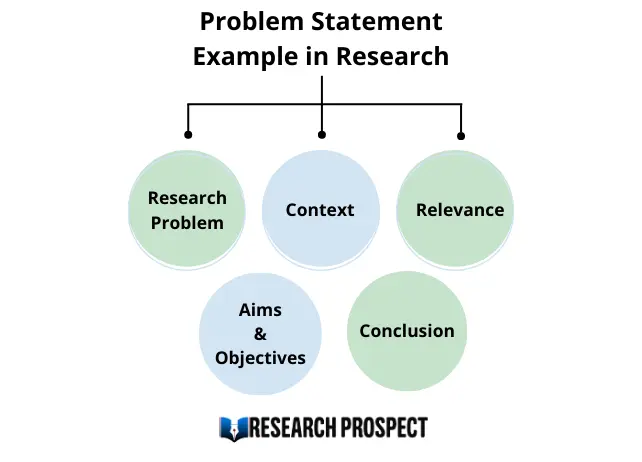
At its core, a problem statement identifies a specific issue or gap in knowledge that demands attention. It delineates the significance of the problem, the context in which it exists, and signifies why it merits exploration. Moreover, it sets the tone for the study, framing research objectives and hypotheses that emerge organically from the articulated problem.
Characteristics of an Effective Problem Statement
To comprehend the art of crafting a compelling problem statement, one must consider several key characteristics. A robust problem statement:
- Is Clear and Concise: Avoid convoluted language; simplicity enhances comprehension. A declarative sentence that articulates the problem succinctly is paramount.
- Highlights Significance: Elucidate the importance of the problem within a broader context. Why should anyone care?
- Acknowledges Relevant Context: Situate the problem within the existing body of literature and real-world applications. This provides a sense of urgency and depth.
- Inspires Exploration: A well-formulated problem statement should ignite curiosity, prompting further inquiry and investigation.
Tackling a Real-Life Challenge: An Example
Let us illustrate the construction of a problem statement through an example. Consider the topic of “The Impact of Remote Work on Employee Productivity.” Here’s the potential challenge: As companies increasingly transition to remote work paradigms, understanding the nuances of employee productivity within this context is critical.
Here’s a refined problem statement: “While numerous organizations have embraced remote work models, emerging data reveals an alarming lack of consensus on how such arrangements impact employee productivity, with some studies indicating increased output whereas others suggest a decline. This divergence necessitates a thorough examination of the shifting dynamics influencing employee efficiency in remote settings, particularly in relation to work-life balance, managerial oversight, and technological adequacy.”
This statement encapsulates a pressing dilemma, laid bare in its implications for corporate strategy and employee well-being. It articulates the significance of the problem, makes evident the necessity for further research, and hints at multiple variables that might play a role in shaping the phenomenon.
Formulating Your Own Problem Statement
Crafting your problem statement can be akin to honing a fine instrument. Begin with a preliminary question or a curiosity that piques your interest. Utilize this as a launching pad for your inquiry. Employ the following steps to guide your formulation:
- Identify the General Topic: Reflect on the broader area you wish to research.
- Conduct Preliminary Research: Review existing literature to pinpoint gaps or inconsistencies.
- Ask Specific Questions: Drill down to the core issues; what precise question do you seek to answer?
- Consider the Impact: Analyze who is affected and how—this will enhance the significance of your research.
- Refine and Polish: Migrate from vague statements to clear, concise, and impactful assertions.
Common Pitfalls to Avoid
Conclusion: Setting Sail on Your Research Journey
Every research endeavor begins with a question that seeks answer, a problem that craves resolution. By meticulously crafting a robust problem statement, researchers not only map their course but also invigorate their inquiry with purpose and clarity. Take a moment to ponder your budding research question: does it encapsulate a genuine challenge, inviting exploration and discovery? The success of your academic journey may very well hinge upon the articulation of your problem statement, your guiding star in the vast universe of knowledge.