The word “tone” resonates through the myriad channels of human expression, functioning as the delicate brushstroke that brings color to the canvas of communication. Just as artists select specific hues to evoke emotion, writers and speakers cultivate tonal choices to shape their narrative landscapes and influence the perceptions of their audience. An examination of tone unveils its profound implications and its essential role in both written and verbal communication.
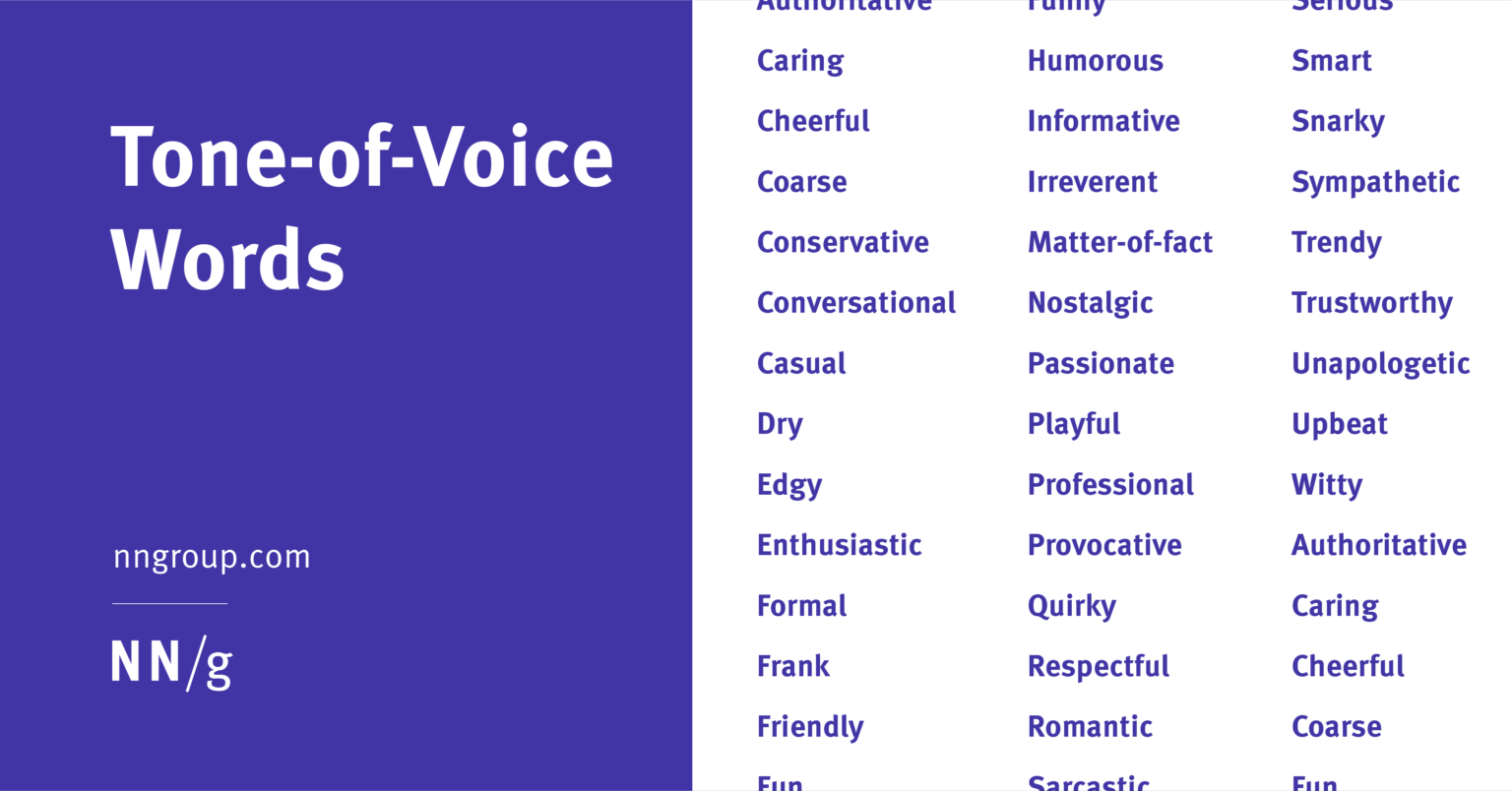
To delve deeper into the nuances of tone, one must first appreciate it as a multifaceted instrument within the symphony of language. Tone embodies the sentiment—whether it be celebratory, somber, sarcastic, or earnest—imbued within the words we choose. As a sculptor chisels away at marble to reveal a statue within, writers carefully curate their diction to unveil the intended emotion behind their message. Take, for instance, the distinction between inviting a friend to dinner with a warm and friendly tone versus a curt and apathetic one; the same invitation carries a weight of meaning that transcends its literal words.
Consider the metaphor of tone as the atmosphere enveloping an environment. Just as a crisp morning fog can shroud a landscape in mystery, a writer can envelop their narrative in an air of suspense or intrigue, captivating the minds of readers. Similarly, a cheerful and buoyant tone might bathe a story in sunlight, infusing it with positivity and warmth. This atmospheric quality can guide the reader’s emotions, leading them through valleys of doubt or peaks of joy, effectively manipulating the emotional trajectory of the piece.
Within literature and everyday discourse, the importance of tone reaches across genres and media, shaping interpretations and resonance. In poetry, for example, the author’s tonal choices can evoke visceral reactions. The rhythmic cadence of a melancholic stanza might pull at the heartstrings, while a jubilant refrain could uplift spirits. The ability to intertwine tone with message turns poetry into a transcendental experience, inviting readers to explore their own emotional landscapes.
In the realm of fiction, let us consider a character’s internal dialogue. An introspective protagonist may engage in reflective musings that permeate their thoughts with a tone of melancholy. The reader, through the osmosis of narrative, is invited to traverse the labyrinth of the character’s mind, experiencing their tribulations and revelations. Conversely, a character defined by buoyancy might engage in witty banter, infusing the dialogue with an effervescent tone that dances off the page, engaging readers through levity and charm.
Expanding beyond fiction and poetry, tone manifests significantly in professional communications. A business proposal, for instance, requires a tone that encompasses both authority and respect, illustrating the gravity of its content while still captivating the interest of prospective clients. The stark contrast between a formal and an informal tone reveals the intended audience and the desired effect. While a formal tone instills confidence and seriousness, an informal tone may foster camaraderie and approachability, each serving distinct communicative purposes.
The ephemeral quality of tone further demonstrates its intricacy. A singular phrase can transform dramatically depending on tonal inflections. The expression “That’s interesting” could be interpreted as genuine curiosity or laden with an air of skepticism; the driving force lies in the tone rather than the mere combination of words. Thus, tone emerges as a chameleon, shifting based on context, intent, and delivery, reinforcing the importance of interpretation within communication.
Within our ever-evolving digital landscape, tone assumes an additional layer of complexity. The rise of social media and online communication has rendered tone even more paramount. A tweet, crafted with the brevity necessitated by character limits, must encapsulate tone effectively to resonate with its audience. Emoticons and gifs have become the modern lexicon aiding tone, allowing users to convey emotions that might otherwise be lost in transcribed text. Just as vibrant colors may enhance a visual artwork, these online tools embellish the tonal fabric of virtual interactions.
Moreover, reflective of human nature, finding the balance when conveying tone remains critical. While humor can lighten tense conversations, overindulgence in jest may diminish the seriousness of a subject. Likewise, a tone steeped in sarcasm can thin the air of genuine dialogue. The delicate dance between sincerity and levity is a hallmark of adept communicators who understand that tone assesses context just as much as content.
In conclusion, the concept of tone encapsulates the artful manipulation of language to convey emotions, setting it apart as an essential component of effective communication. Through the lens of metaphor, one can perceive tone as an atmospheric force that can illuminate a narrative or shroud it in mystery. This rich tapestry of emotional resonance enriches both written and spoken word, granting a profound depth to interactions. As communicators traverse the intricate expanse of human expression, the tonal choices they make hold the potential to shape perceptions, evoke feelings, and ultimately forge connections in an otherwise dissonant world.