
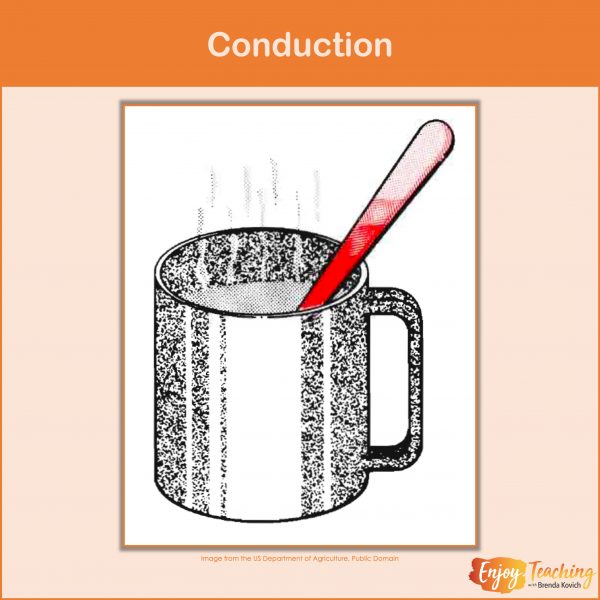
Thermal energy, often referred to as heat energy, is a fascinating concept that permeates our everyday lives, even to the smallest observer – children. From the warmth of the sun’s rays to the steam rising from a hot cup of cocoa, thermal energy embodies an intrinsic part of our physical experiences. This article delves into several captivating examples of thermal energy that engage the curious minds of young learners, while also hinting at the deeper scientific principles at play.
The Sun: The Ultimate Source of Thermal Energy
One of the most accessible instances of thermal energy is the warmth we feel when basking in the sunlight. As children play outside on bright days, they might not realize they are experiencing the sun’s thermal energy. The sun, a colossal fusion reactor, emits energy that travels through space in the form of electromagnetic waves. When these waves reach Earth, they warm the ground, air, and everything in their path.
This phenomenon directly demonstrates the principles of thermodynamics, reflecting how energy is transferred between different states of matter. Observing how the temperature varies in shade versus sunlight can prompt inquiries into the concepts of conduction, convection, and radiation, offering a springboard for deeper understanding.
Boiling Water: A Simple Kitchen Experiment
Another relatable example of thermal energy is the process of boiling water. When a pot of water is placed on the stove, the heat from the burner transfers to the pot and then to the water inside. As the water absorbs this thermal energy, its molecules begin to move more rapidly, resulting in a rise in temperature. Once it reaches 100 degrees Celsius (212 degrees Fahrenheit) at sea level, the water starts to boil, producing steam.
This everyday kitchen experiment is not just a way to make tea; it illustrates the transformation of liquid to gas, a phase change driven by thermal energy. Children can marvel at the visible steam and bubbling water as physical evidence of this energy transfer. They might wonder why water boils faster with a lid on, leading to natural discussions about pressure, temperature, and the dynamics of boiling.
Ice Cream Making: A Chilling Encounter with Thermal Energy
Creating ice cream can be a delightful introduction to the concepts of thermal energy and phase changes. This fun and interactive process usually involves mixing cream, sugar, and flavorings before placing the mixture inside a container surrounded by ice and salt. As the ice melts, it absorbs thermal energy from the ice cream mixture, causing the cream to freeze.
This example wonderfully illustrates endothermic reactions and the effects of salt on melting ice, signaling a key concept of thermal energy transfer. Children can take part in not just making a tasty treat but also learning about the science behind freezing and melting. Observing their ingredients transition from a liquid mixture to a solid, creamy dessert provides a profound hands-on experience.
The Wonderful World of Friction
Your simple act of rubbing your hands together generates warmth. This everyday gesture is a perfect demonstration of thermal energy produced through friction. When two surfaces come into contact and are moved against each other, the kinetic energy from the movement converts into thermal energy, making the hands feel warmer.
Encouraging children to explore this can lead to engaging activities, such as rubbing two objects together to feel the heat produced or running in place, then touching their forehead to feel how body heat accumulates. Additionally, it opens the door for deeper discussions about energy transfer, the laws of thermodynamics, and even the concept of work and mechanical energy. It emphasizes that thermal energy is not just ‘out there’ but is also a product of our own movements.
Thermal Energy and Insulation: Keeping Warm
Children often experience the concept of thermal energy when bundling up for the winter. Wearing layers of clothing demonstrates the critical role of insulation in preserving body heat. Materials like fleece, wool, and down work effectively as insulators because they trap air, which inhibits thermal energy flow.
By exploring these fabrics during winter wardrobe changes, children can learn about heat retention and loss, alongside practical science. Simple experiments could include comparing how quickly a warm drink cools in different types of cups, prompting discussions about thermal conductivity and the materials’ properties. Understanding why certain materials keep us warm highlights important scientific principles in a relatable, everyday context.
The Heat of a Reaction: Mentos and Soda
A particularly captivating example of thermal energy in a fun context is the classic Mentos and soda reaction. When Mentos candies are dropped into a bottle of soda, a vigorous eruption occurs, and the temperature of the soda tends to increase slightly afterward. This reaction illustrates an exothermic process where gas bubbles form rapidly due to nucleation sites on the Mentos candies.
This exciting experiment captivates children’s imaginations and showcases thermal energy’s role during reactions. It encourages them to be inquisitive about chemical reactions and energy changes, further deepening their understanding of heat in a fascinating, illustrative manner.
The Conclusion: A World of Thermal Energy Awaits
Temperature and thermal energy may seem like abstract concepts, but they are intricately woven into our daily lives. By exploring these examples, children gain a foundational understanding of thermal energy, igniting their curiosity about the science surrounding them. Each moment offers an opportunity to discover the depth of thermal energy, illustrating not just how it shapes our physical world, but how vital it is to the various phenomena we encounter every day.













