Matches have been an integral part of human ingenuity for centuries, transforming the way we approach fire, light, and heating solutions. However, beneath their mundane exterior lies a fascinating world of chemistry, safety regulations, and hazard classifications. Many may not realize that matches are classified as hazardous materials under specific conditions, particularly in relation to their chemical constituents and potential dangers they pose in transport and storage. Delving into the nuances of their classification reveals insights into both their utility and inherent risks, urging a re-evaluation of our perceptions regarding these seemingly innocuous objects.
The classification of any material as hazardous is primarily dictated by its chemical properties and its behavior under various conditions. Matches, in specific, belong to the realm of the hazard class known as Class 4—specifically, Division 4.1, which covers flammable solids. This classification is significant because it indicates that the materials can ignite and sustain combustion under certain circumstances, posing risks not only to those who use them but also to others in proximity, particularly in transport settings.
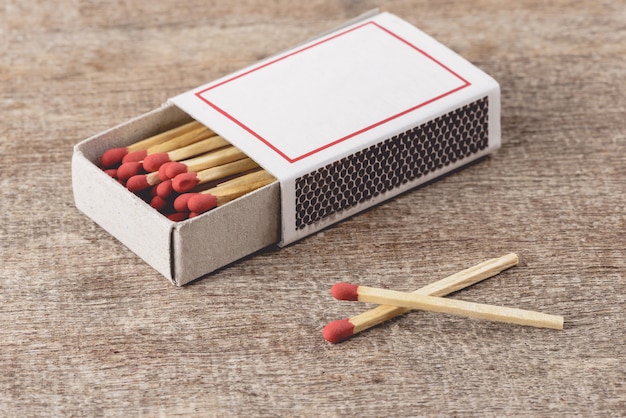
To understand why matches fall into this classification, it is essential to consider the construction and composition of a typical match. The head of a match is commonly composed of an oxidizing agent, sulfur, fillers, and glass powder, all of which contribute to its combustibility. These compounds work synergistically, allowing even the smallest friction to produce enough heat for ignition. It’s a dance of chemistry that holds both promise and peril.
What elevates the hazard potential of matches is their sensitivity to external factors. Exposure to moisture can drastically reduce their viability, while heat can render them dangerously reactive. Thus, one can see how improper storage—such as in a damp basement or a sweltering car—could transform a simple box of matches into a potential hazard. This highlights the duality of matches: as tools essential for ignition yet as entities demanding respect and careful handling.
Globally, regulations surrounding the transport and storage of flammable solids materialize as vital components of hazard mitigation. For instance, the United Nations’ recommendations on the transport of dangerous goods outline protocols for matches, detailing how they should be packaged, labeled, and stored during transit to avert incidents and accidents. Understanding these regulations can seem daunting, yet it underscores a critical point: with our everyday items comes the responsibility of ensuring they are handled correctly.
The transportation of matches, particularly by air, presents unique challenges. Their classification as flammable solids necessitates stringent packaging requirements. Typically, matches must be encased in specially designed boxes that minimize the risk of accidental ignition and leakage of hazardous materials. The requirement for explicit labeling is also paramount, serving as a visual cue to handlers and transport personnel about the materials they are dealing with. This speaks to an overarching principle in hazardous materials management: clarity and communication can avert calamity.
Yet, not all matches are created equal. Safety matches, for example, are designed to ignite only when struck against a designated surface, typically a specially coated strip on the matchbox itself. This added layer of security plays a significant role in their safety profile. In stark contrast, “strike anywhere” matches can spontaneously ignite if struck against rough surfaces, further emphasizing the importance of understanding different types of matches and their respective hazard classifications.
Moreover, the psychological aspect of fire and its tools cannot be overlooked. Matches elicit a certain fascination, a blend of curiosity and respect. This dynamic interplay often leads to careless handling, especially among children and adolescents, who may view matches as toys or innocuous objects. Hence, education around fire safety becomes paramount. Parents and guardians bear the responsibility of instilling an understanding that matches, while useful, are also potentially perilous—even deadly if misused.
As society progresses, the evolution of fire-starting devices has continued to diversify, bringing to light newer alternatives such as lighters and fire starters. However, the ancient charm of matches remains—they are universally accessible and effortless to use. Their simplicity belies the intricate science and safety regulations behind them. Furthermore, such convenience prompts a contemplation on how we interact with fire as a force: a tool for warmth and comfort, but one that demands vigilance and responsibility. This dichotomy prompts a respectful distance, originating from knowledge rather than fear.
Additionally, the environmental impact of match production merits attention. Traditional match manufacturing involves significant resource input and can generate hazardous waste, thereby emphasizing the importance of sustainable practices within this industry. Innovations like eco-friendly matches are emerging, reflecting a growing awareness and commitment to reducing ecological footprints while maintaining utility. This shift not only showcases evolving commercial practices but also illustrates a cultural pivot towards conscientious consumption.
In conclusion, matches epitomize a fascinating convergence of utility and appraisal of risk. Their classification as flammable solids underlines the necessity of awareness and safety in their usage and transport. Each time a match is struck, it carries with it the latent potential for both creation and destruction—a potent reminder of the delicate balance we maintain with the elements. Thus, whether viewed as humble conveniences or dangerous tools, understanding the complete breadth of matches, their classifications, and their implications is key to their responsible usage. In shaping our relationship with fire and its aspects, a new perspective may emerge—one characterized by respect, responsibility, and a profound appreciation for the tools that light our world.