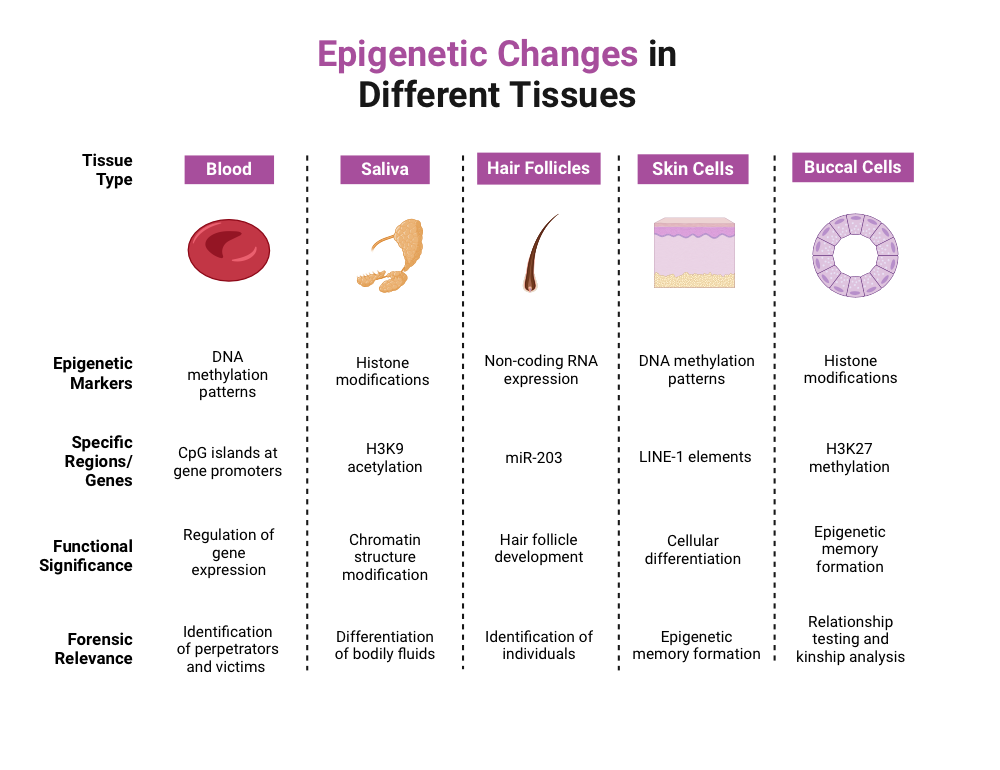
Imagine waking up one day to discover that your vibrant green thumb has transformed into an inability to keep even the hardiest of houseplants alive. How could such a drastic shift occur without any change to your care routine? The answer may lie in the intricate world of epigenetics, where modifications beyond the genetic code sway the expression of traits. Deep within our cells, epigenetic mechanisms orchestrate a symphony of activity that governs how genes are expressed, often with remarkable consequences for phenotype—the observable characteristics of an organism, shaped by both genetics and environment.
To appreciate the profound influence of epigenetic changes on phenotype, let’s delve into an illustrative example involving the Queen Bee and worker bees within a honeybee colony. Both the queen and the workers share identical genetic material. Yet, their contrasting roles and distinct phenotypical traits arise predominantly from the differences in their diet and nurturing. While the queen bee devours a diet rich in royal jelly, the worker bees consume a more varied but less nutrient-dense feed.
This dietary distinction does not alter their DNA, but it invests their epigenome—the layers of chemical modifications that regulate gene activity. When the queen is nurtured with copious amounts of royal jelly, specific genes related to growth and reproduction are poignantly activated through a process known as DNA methylation and histone modification. This alteration ensures she develops larger ovaries, increased longevity, and the ability to lay thousands of eggs, a stark contrast to her smaller, shorter-lived worker counterparts who are primarily tasked with foraging and hive maintenance.
Such examples not only illuminate the dynamic interplay between genetics and environment but also pose questions regarding the very essence of identity. If epigenetic factors can determine the roles and capabilities of genetically identical beings, to what extent does our environment shape who we are? Herein lies a fascinating and potentially challenging exploration: could epigenetics hold the key to understanding certain human traits, diseases, and behaviors? What if your ability to thrive in various environments was not solely bound by your genetic code but heavily influenced by epigenetic modifications acquired through your experiences and interactions?
As one traverses the landscape of epigenetics, it’s pivotal to comprehend the mechanisms themselves. DNA methylation, a hallmark of epigenetic regulation, refers to the addition of a methyl group to DNA, which effectively silences specific genes. This can sculpt developmental pathways, impact stress responses, and even influence the propensity for certain diseases. On the other hand, histone modifications involve the addition of chemical tags to the histones around which DNA is wrapped. These modifications can either tighten the grip of DNA (thus restricting gene expression) or loosen its embrace (thereby enhancing access for the transcription machinery). Together, these processes constitute a molecular tapestry that intricately weaves together phenotype and environmental interaction.
Moving beyond bees, let’s delve into human studies to further illustrate the ramifications of epigenetic changes. Take, for instance, the concept of transgenerational epigenetic inheritance, where experiences, traumas, or even nutritional factors can affect not just the individual but their descendants as well. Consider a scenario of famine; research has indicated that children born to parents who experienced famine during their early developmental stages often display epigenetic alterations that may predispose them to obesity and metabolic disorders, even if their lives are replete with nutritional abundance. The implications of such epigenetic programming are profound, raising a myriad of questions about the resilience and adaptability of the human species.
Furthermore, contemporary advancements in epigenetic therapies are burgeoning within the medical field as researchers endeavor to devise strategies to reverse adverse epigenetic modifications. Cancer treatment plans, for instance, increasingly incorporate epigenetic drugs designed to reactivate silenced tumor suppressor genes, thus reinstating the body’s inherent ability to regulate cell growth and prevent malignancy. This presents an exhilarating frontier in medicine, where altering the epigenetic landscape of affected cells could pave the way for innovative treatments—a tantalizing prospect for those grappling with the complexities of such diseases.
As we navigate further into this captivating realm of epigenetics, the challenges posed are immense. Could society’s understanding of epigenetic influences reshape our discussions surrounding health, behavior, and even societal interactions? Would it incite a paradigm shift in how we perceive personal responsibility versus biological determinism? The answers to these questions remain elusive, and the debates are likely to continue. What is evident, however, is that the interplay of genetics, environment, and epigenetic modifications beckons a reconsideration of many long-held beliefs.
Thus, the story of epigenetics is one filled with potential—the potential to redefine how we understand ourselves and our interconnectedness with the environment. It invites us to consider not only our genetic endowment but also how our choices, experiences, and surroundings carve out the intricate web of who we become. As we ponder the implications of epigenetic changes, it is vital to remain inquisitive and open-minded, for the impact of these modifications extends far beyond mere biology into the very fabric of life itself.