When it comes to cellular function, the sodium-potassium pump often emerges as a regal figure inside the microscopic realm of biology—a paragon of efficiency and complexity. This transmembrane protein serves not only as a vital conduit for ions but also as a compelling analogy for the intricate dance of life itself. The sodium-potassium pump is indeed more than just a biological mechanism; it is emblematic of various phenomena in the natural world. This listicle explores the multifaceted dimensions of the sodium-potassium pump, particularly highlighting its roles in homeostasis, energy transformations, and even neurobiological communication—each a unique and captivating element of this microscopic marvel.
1. Homeostasis: The Biological Balancer
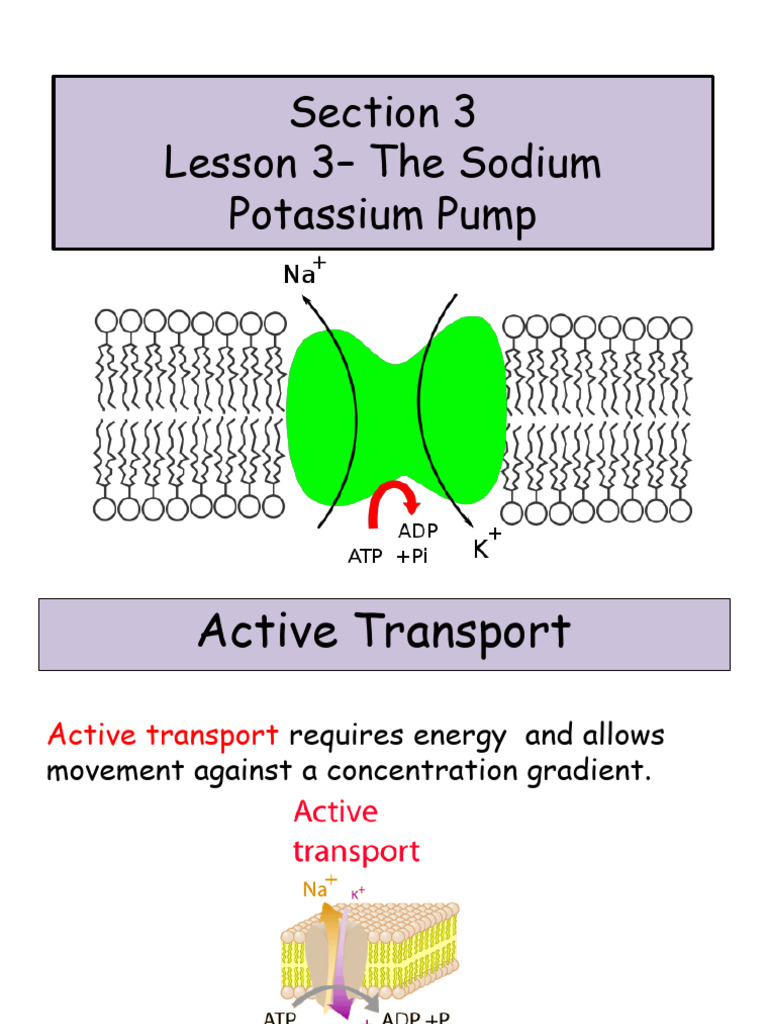
Imagine a tightrope walker balancing precariously on a strand of silk high above a bustling city. The sodium-potassium pump functions in a similar fashion within our cells, meticulously regulating the balance of sodium and potassium ions across the cellular membrane. By extruding three sodium ions out of the cell and importing two potassium ions in, this pump maintains an essential electrochemical gradient. In doing so, it preserves cellular homeostasis, the critical equilibrium necessary for life. Just as the tightrope walker requires steady footing to avoid a fall, cells rely on this regulatory balance to prevent detrimental fluctuations that could lead to cellular dysfunction or death.
2. A Metaphor for Energy Transformation: The Mechanism of Life
Consider a finely tuned clock, its inner gears whirling and clicking to maintain perfect time. The sodium-potassium pump operates with a similar precision, driven by the hydrolysis of ATP (adenosine triphosphate). ATP serves as the biochemical energy currency of cells. The disintegration of ATP into ADP (adenosine diphosphate) releases energy that fuels the pump’s activity. Just like each tick of the clock signifies the passage of moments, each cycle of the sodium-potassium pump represents a profound transformation of energy, supporting vital cellular functions. It epitomizes the enigmatic ability of living organisms to harness energy, another reflection of life’s intricate complexity.
3. Neural Communication: The Electric Symphony
In the realm of neurons, the sodium-potassium pump acts as an orchestrator of a captivating symphony of signals. Think of it as a conductor guiding an ensemble, ensuring that each musician plays their part in perfect harmony. The pump’s contributions to establishing resting membrane potential are foundational for generating action potentials—those rapid electrical impulses that facilitate communication across neurons. When a nerve impulse travels, ion channels open, allowing sodium to flood into the neuron. The subsequent barrage of activity necessitates prompt action from the sodium-potassium pump to restore the ion balance, much like how a conductor raises their baton in the midst of a crescendo. This dynamic interplay ensures that communication within the nervous system remains swift and fluid.
4. Evolutionary Significance: A Natural Selection Triumph
Picture a primordial ocean, teeming with the frantic movements of microscopic life forms, each struggling to adapt and survive against a backdrop of ever-changing conditions. The sodium-potassium pump has its place in this evolutionary tale, enabling cells to thrive in diverse environments. It is an archetype of efficiency, honed by natural selection to meet the challenge of ion management across various species. The pump’s ubiquity across kingdoms—be it plants, animals, or archaea—underscores its importance in evolutionary biology. As organisms adapted to their ecological niches, they relied on this singular mechanism to transport ions, thereby showcasing a quintessential facet of life’s adaptability.
5. Therapeutic Implications: A Cellular Lifeline
In the landscape of modern medicine, the sodium-potassium pump reveals itself as a beacon of hope—a crucial target for therapeutic interventions. Similar to a skilled artisan reshaping raw materials into a masterpiece, researchers seek to manipulate the pump’s function to treat a variety of diseases. From cardiac arrhythmias, where electrolyte imbalances can lead to potentially fatal heart rhythms, to neurological disorders affecting synaptic transmission, understanding and modulating this pump holds immense potential. This exploration embodies the quest for healing, as scientists work diligently to harness the pump’s mechanisms, enabling targeted interventions to restore cellular balance.
6. A Reflection of Environmental Interactions: The Interplay of Forces
Visualize a dancer navigating through the complexities of a crowded ballroom, responding to the ebb and flow of the music and the movements of other dancers. The sodium-potassium pump mirrors this responsiveness to environmental cues, integrating signals from both the internal and external milieu. Factors like temperature, pH, and hormonal variations exert influence on the pump’s activity. Just as a dancer adapts to the rhythms surrounding them, the pump modifies its operation in response to physiological demands. This intricate interaction emphasizes a vital principle of biology: life is a symbiotic blend of myriad forces working towards equilibrium.
7. The Philosophical Implications: A Metaphor for Balance in Life
Stepping back, one might ponder the sodium-potassium pump as more than a biochemical entity but rather as a philosophical metaphor. It encapsulates the idea of balance in life—the delicate equilibrium between opposing forces. Much like the ebbing tide, which pulls water away from the shore only to subsequently relinquish it back, the pump’s function acts as a reminder of the oscillations inherent in our existence. This perspective invites us to reflect upon the importance of maintaining balance, whether through personal well-being or harmonic relationships. The sodium-potassium pump serves as an inspiring symbol of resilience and adaptability in life’s grand ballet.
As we navigate the multifaceted realms of biology, neuroscience, evolution, and beyond, the sodium-potassium pump stands as a marvel of molecular machinery. It intertwines an array of themes—homeostasis, energy transformation, neural communication, and philosophical balance—each thread weaving into the rich tapestry of life’s enigmatic design. By embracing its uniqueness, we uncover not just the stories of cellular functions but life’s countless reflections of complexity and elegance, yawning before us like a vast ocean of potential and understanding.