What if you could find a way to coexist harmoniously with others, where both parties benefit from the relationship? This is the essence of mutualism, a captivating concept in the realm of ecology. Mutualistic relationships are profoundly intriguing and occur all around us, showcasing the interconnectedness of life on Earth. In this exploration, we’ll delve into an array of compelling examples of mutualism, illustrating not only the diversity of these partnerships but also the intricate web of life they form.
First, let’s start with one of the most well-known examples: the relationship between bees and flowering plants. Bees are attracted to flowers through their vibrant colors and sweet nectar. In the process of gathering nectar to fuel their energy needs, they inadvertently collect pollen on their bodies. As they move from flower to flower, they facilitate the pollination process—a critical step in the reproductive cycle of many plants. This is a quintessential example of mutualism where bees gain sustenance while plants ensure their reproductive success.
Shifting our focus to the realm of the animal kingdom, we encounter another fascinating instance of mutualism—the relationship between clownfish and sea anemones. The clownfish finds refuge among the stinging tentacles of the anemone, which offers protection from predators. In return, the clownfish provides nutrients to the anemone through its waste products and even helps to keep it clean by removing debris. This association not only exemplifies mutualism but also highlights the importance of symbiotic relationships in marine ecosystems.
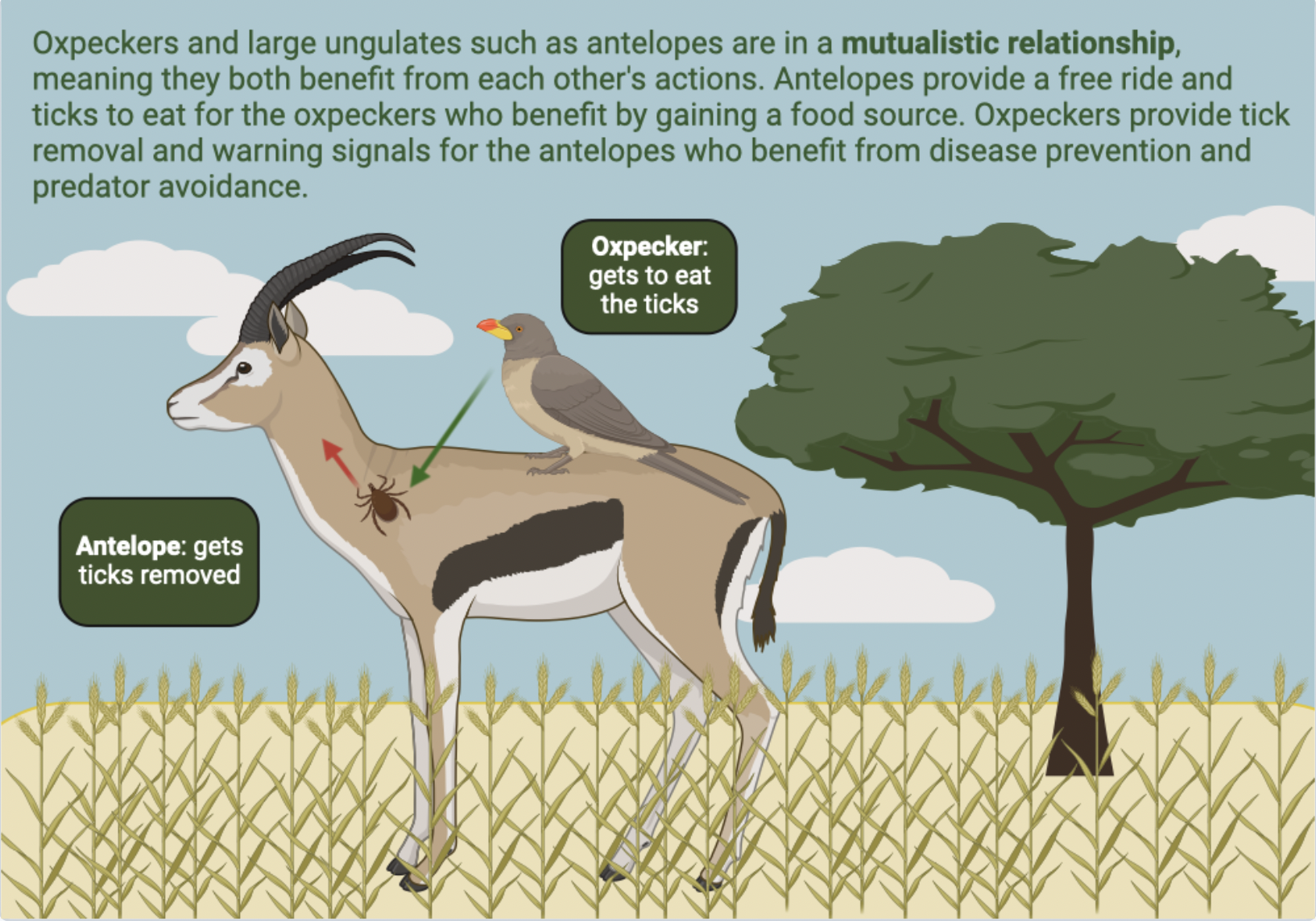
Have you ever pondered the complexities of grazing mammals and the birds that accompany them? The relationship between oxpeckers—small birds—and large herbivores, such as buffalo and rhinoceroses, is another striking example of mutualistic interaction. Oxpeckers perch on these animals, picking off ticks, parasites, and dead skin. As a result, the herbivores benefit from a reduction in pest burden, while the oxpeckers secure a meal. The bond showcases an intertwining of interests that balances delicately in the dance of nature.
Next, let’s explore the world of plants, where the remarkable partnership between certain species of acacia trees and aphids unfolds. Acacia trees provide shelter and nourishment to aphids in the form of sugary secretions. In return, these tiny insects offer a defense mechanism against herbivores. The ants that are attracted to the sugary substance tend to protect the acacia from being consumed by larger animals. Such relationships underscore the complexity and mutual benefits inherent in ecological systems.
A less visible yet equally critical example of mutualism can be seen in mycorrhizal fungi and plant roots. This underground alliance facilitates a symbiotic relationship where fungi enhance nutrient absorption for the plants, particularly phosphorus, strengthening growth and resilience. In exchange, the plants provide carbohydrates essential for the fungi’s survival. This hidden partnership plays an essential role in soil health and the overall functioning of ecosystems, revealing the often-unseen connections that support plant life.
Further illustrating mutualism in a more terrestrial domain, we come across the relationship between certain species of bats and the fruit they consume. Fruit-eating bats not only feast on the fruits of various plants but also contribute to seed dispersal through their excrement. As they travel from one location to another, they distribute seeds far and wide, aiding in plant reproduction and ensuring genetic diversity. This mutualism is vital for the maintenance of healthy forests and other ecosystems, where the loss of one species can have cascading effects on others.
Now, let’s consider a relationship that may seem contrary to the notion of mutualism at first glance—termites and the protozoa that inhabit their guts. Termites are unable to digest cellulose found in wood. However, one-celled protozoa residing within the termite gut break down this complex carbohydrate into simpler substances that can be utilized for energy. As a result, termites thrive on wood, and protozoa benefit by receiving a stable environment and a continuous supply of food. This example challenges us to rethink the boundaries of mutualism and recognize hidden, complex interactions in nature.
Exploring the microbial realm, we find another profound example of mutualism: the relationship between humans and their gut microbiota. Our intestines are home to trillions of microorganisms that aid in digestion, synthesize essential vitamins, and bolster our immune systems. In return for the ideal living conditions and nutrients provided by our bodies, these microorganisms contribute to our overall health and well-being. Recognizing the importance of such relationships prompts us to consider how our lifestyle choices impact these delicate ecosystems within us.
As we traverse the world of mutualism, it becomes evident that these partnerships are not only common but also integral to the balance of ecosystems. Mutualism shapes our environments, fosters biodiversity, and supports the myriad life forms that share our planet. However, what happens when one partner overextends or destabilizes the partnership? Climate change, habitat destruction, and pollution threaten these delicate relationships, posing significant challenges for the future of mutualism.
In essence, mutualism is a marvel of nature that invites us to explore the profound connections that define life on Earth. From the buzzing of bees in a garden to the unnoticed intricacies of soil ecosystems, these relationships remind us of our interdependence. As we reflect on the examples provided, consider the broader implications of mutualism. How can we foster these relationships in our own lives and communities? How does understanding mutualism inspire us to create a more harmonious existence with our environment? The answer may lie in the lessons learned from the partnerships all around us.