
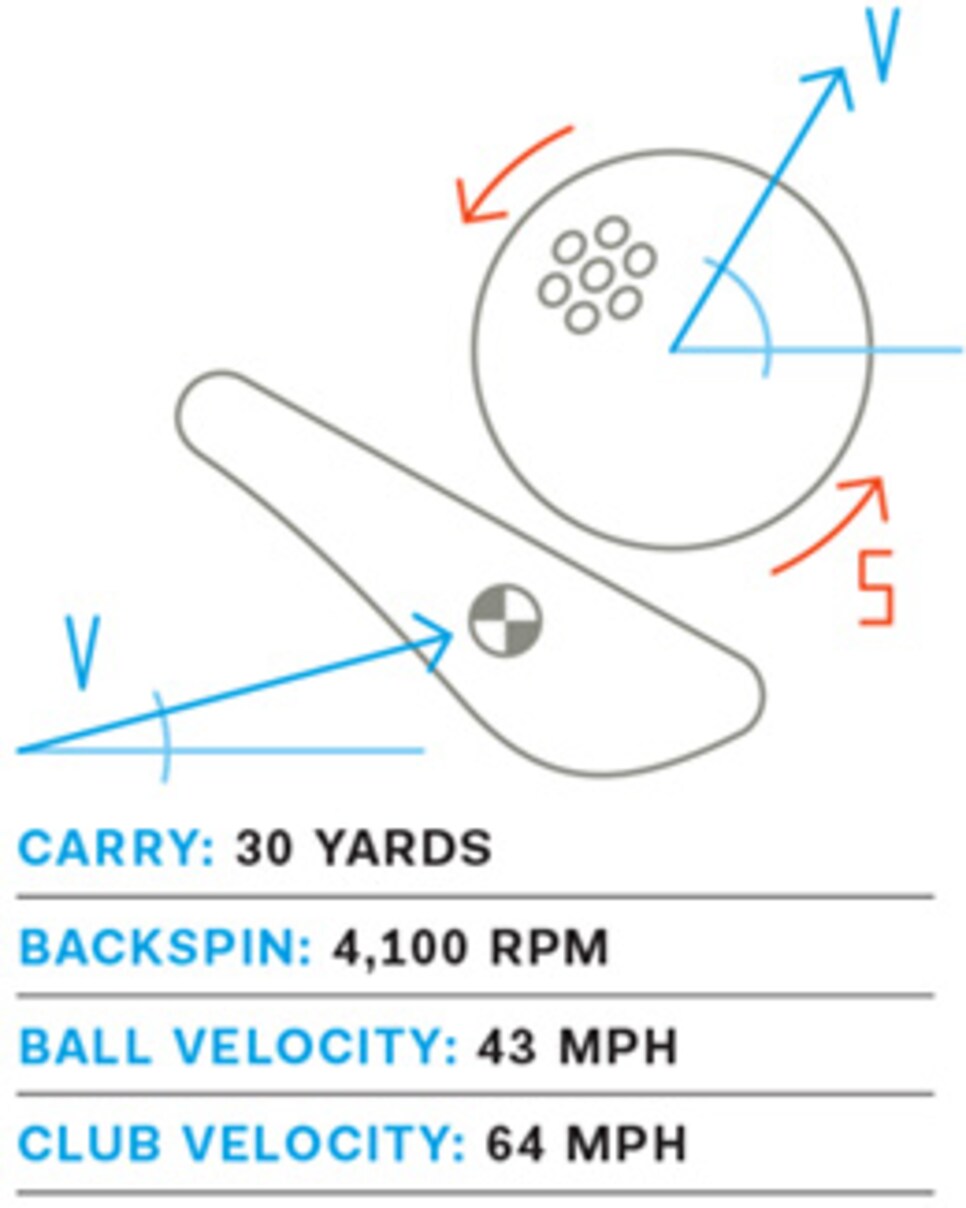
Golf, often revered for its intricate subtleties, encompasses a plethora of techniques and terminologies that can bewild the uninitiated. Among these, “bounce” and “roll” stand out as two pivotal concepts, particularly in the realm of the short game. A thorough understanding of these elements is not merely academic; it can radically transform one’s approach to chipping and pitching, serving as the linchpin for improved performance on the green.
Bounce: The Foundation of Short Game Shots
Before diving deep into the implications of bounce, we must first delineate what it actually is. When referring to bounce, golf aficionados discuss the angle formed between the leading edge of the clubface and the lowest point of the sole of a wedge. This angle is of crucial importance because it dictates how the club interacts with the ground and, subsequently, how the ball responds after impact.
Understanding bounce opens up a world of strategy. When a club has a higher bounce, it is adept at gliding over the turf, preventing the clubface from digging into the ground during a shot. This is particularly significant in fluffy lies or on soft ground, where the risks of blading or chunking a shot vastly increase. Conversely, a lower bounce is more suited for firmer lies, providing the ability to “cut” through the turf more directly. By mastering bounce, golfers can adjust their technique according to varying course conditions, thus underpinning their skillset with adaptability and finesse.
For instance, consider a player faced with a challenging chip near the green, where the grass is lush and the ball is nestled down. Utilizing a wedge with higher bounce can significantly mitigate the risks associated with such lies. The club’s design allows it to ride on top of the grass, facilitating cleaner contact and allowing for lofted, controlled shots that elevate effortlessly into the air.
Roll: The Aftermath of Contact
As with bounce, the concept of roll is similarly multifaceted. Roll refers to the behavior of the ball post-contact—how it behaves after leaving the clubface. This aspect is influenced predominantly by the angle of attack, the type of surface, and even the conditions of the green.
The interaction between the ball and the ground dictates its path. A shot that is hit with a descending blow will generally impart more spin, causing the ball to initially check up, before succumbing to gravitational influence and rolling out. Conversely, a shot with a more level angle of attack may produce a lower trajectory and less spin, resulting in a more pronounced forward roll upon landing.
Fostering an understanding of roll leads to more nuanced shot-making. The ability to predict how far the ball will roll—a skill honed through experience—offers a tactical advantage. Golfers often find themselves grappling with myriad factors influencing the roll, such as green speed, grain, and moisture. Each of these elements interlocks, forging a unique interaction that can substantially affect scoring.
Bridging Bounce and Roll: The Art of the Short Game
While the concepts of bounce and roll are distinct, their relevance to the short game is interwoven. Wisdom suggests that a golfer must comprehend how their choices regarding bounce impact the eventual roll of the ball. For instance, executing a flop shot requires precise understanding: selecting a higher bounce wedge allows for the necessary lift, while mastering the roll post-contact ensures the ball behaves predictably as it approaches the hole.
Practicing these principles in tandem fosters a sense of harmony in one’s short game. Utilize short game drills designed to reinforce this understanding—practice hitting various types of shots with different wedges while varying the bounce and examining the resultant roll. Challenge yourself to track how different lies affect your performance. This commitment to refining your craft will pave the way for striking precision.
The Intersection of Club Selection and Technique
Ultimately, selecting the right club and adapting your technique in relation to bounce and roll can feel transformative. Beginners often gravitate towards a single club for all short game situations, yet experienced players understand the variability that accompanies diverse lies. Each wedge should be thought of as a unique tool, strategically designed to handle specific scenarios as dictated by the course’s circumstances.
Moreover, the interplay between bounce and roll invites golfers to cultivate their intuition. Becoming attuned to the nuances of a particular course or day will inform club choice and the subsequent shot. A seasoned golfer often references how the day’s conditions alter their approach from practice rounds, demonstrating that expertise flows from insight derived from incessant observations.
Conclusion: An Invitation to Mastery
In essence, the concepts of bounce and roll are not merely technical definitions confined to the pages of a rulebook. They form a self-contained narrative, one that beckons golfers to embark on a journey of exploration and mastery. By profoundly understanding and applying these ideas, you craft a more formidable short game, welcoming not only improvement in your scores but a deeper appreciation for the artistry that is golf. Embrace this knowledge, and let it be the catalyst for your evolution from a novice to a master on the greens.












