
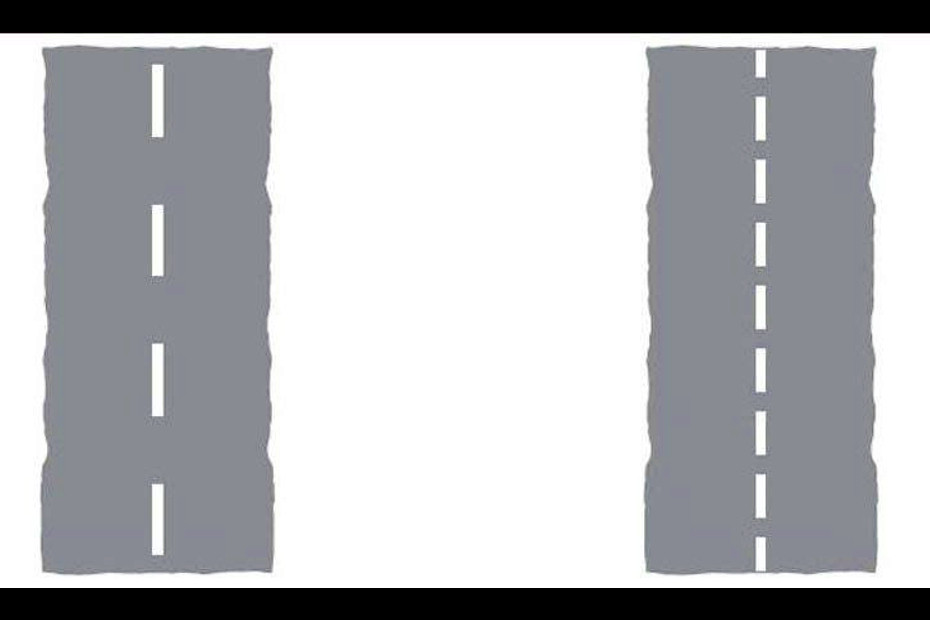
Imagine you’re cruising down a sunlit highway, the breeze in your hair, when suddenly you notice the solid white lines stretching along the edge of the lane. What do they signify? What would happen if you crossed them? These seemingly innocuous lines are far more significant than they may appear at first glance. Understanding their implications not only enhances your knowledge of road safety but also enables you to become a more conscientious driver.
Solid white lines delineate traffic lanes and are vital in guiding both vehicles and pedestrians alike. They serve multiple purposes, reinforcing the importance of observing these markings. To truly grasp the significance of solid white lines, let’s explore their various roles and the traffic rules associated with them.
1. Defining Lane Boundaries
At their core, solid white lines act as visual barriers that designate lane boundaries. They indicate where drivers should position their vehicles, ensuring a systematic flow of traffic. This is especially crucial on multi-lane roads where chaotic merging and weaving can lead to untimely accidents.
The enforcement of lane discipline is paramount. By abiding by solid white lines, drivers contribute to overall road safety. These lines are not merely suggestions; they must be adhered to as they are an integral part of safe driving practices. The challenge arises: can you maintain your lane discipline despite distractions or errant driving behavior from others?
2. No Lane Change Zones
Solid white lines further delineate areas where lane changes are prohibited. When driving near construction zones or entering intersections, these markings signify to drivers that they should not attempt to change lanes. This is a crucial rule, as shifting lanes in these zones could precipitate severe accidents.
Consider a situation where a driver decides to ignore these markings. The likelihood of causing an accident amplifies significantly. By respecting solid white lines, drivers not only protect themselves but also safeguard other road users. Can you identify the potential hazards associated with improper lane changes, especially in busy urban areas?
3. Separation of Traffic Flow
The significance of solid white lines extends to separating contrasting traffic flows, particularly in roadways where vehicles travel in opposite directions. These lines distinctly mark lanes to prevent collisions and maintain orderly traffic flow. When traveling on highways, understanding and acknowledging these lanes becomes imperative for safety.
In adverse weather conditions, such as rain or fog, these markings provide visual cues that enhance visibility. They serve as a guide, helping drivers navigate treacherous conditions. Is it possible that drivers occasionally underestimate the importance of these lines during inclement weather? It’s essential to take extra care.
4. Guidance for Pedestrian Crossings
Solid white lines also play a crucial role in pedestrian safety. Marked crossing areas, often accompanied by signage, signal drivers to yield to pedestrians. These lines urge vehicles to slow down and prepare to stop, fostering a safer environment for those crossing the road.
Moreover, when vehicles fail to respect these pedestrian crossings, they not only endanger others but risk significant legal ramifications. Awareness of these lines and the regulations surrounding them is essential for everyone on the road. How often do drivers consciously check for pedestrians at crossings, even when solid white lines indicate their presence?
5. Understanding Enforcement Policies
Local traffic authorities have stringent enforcement policies surrounding solid white lines. Ignoring these markings can lead to penalties, including fines or points on your driving record. Tailgating, excessive speeding, and sudden lane changes near solid white lines are typically watched under scrutiny.
The challenge lies in the fact that many drivers perceive traffic regulations as mere advisories rather than enforceable laws. Education on this topic is crucial. Can we, as drivers, commit to upholding these regulations to ensure our roads are safer for everyone?
6. The Psychological Impact of Road Markings
In an era of heightened awareness about mental well-being, the psychological impact of road markings can’t be discounted. Solid white lines lend a sense of structure and predictability to road navigation. They provide drivers with visual clues that influence their decision-making and emotional state while driving—but can this create a false sense of security?
Indeed, while these lines offer guidance, it is incumbent upon the driver to remain vigilant and proactive. Overconfidence in traffic situations can lead to reckless driving behaviors that can have harsh consequences. It raises a question: how can we foster an environment that promotes smoother driving experiences, particularly in areas with heavy traffic?
7. Conclusion: Pledge to Road Safety
The intricate web of road markings, especially solid white lines, plays a monumental role in orchestrating the symphony of traffic management. By understanding their meanings and adhering to the rules they represent, drivers can significantly reduce the risk of accidents. The journey toward improved road safety is ongoing, requiring collective effort and commitment. So, the next time you approach a solid white line, reflect on its significance and make a conscious effort to respect it. Let’s create safer roads together, shall we?












