
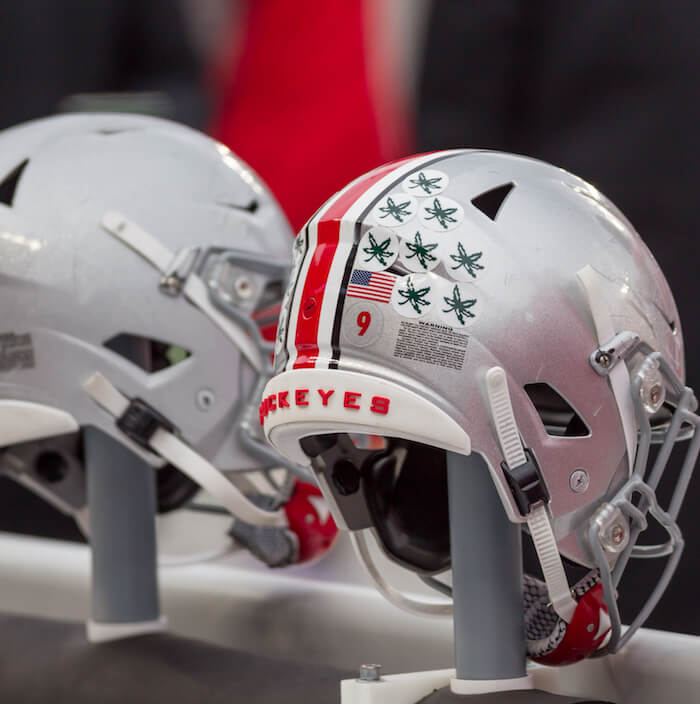
Have you ever paused to contemplate the myriad of stickers adorning a football player’s helmet? Those colorful emblems are more than mere decorations; they provide a fascinating narrative about a player’s journey, milestones, and hazards they’ve navigated throughout their careers. But what exactly do they signify? What tales do they tell? Let’s unravel the enigma of football helmet stickers and uncover the underlying game stats and achievements intertwined with each little emblem.
The Origin of Stickers
To truly appreciate the significance of helmet stickers, one must first understand their origin. The utilization of stickers on helmets began in collegiate football during the 1960s. Coaches sought creative ways to incentivize players and recognize their efforts on the field. The stickers symbolized tangible achievements—an innovative method to award merit and foster a sense of camaraderie within teams. Thus, the tradition of adorning helmets with stickers was born, morphing into a deeply rooted facet of football culture.
Types of Stickers and Their Meanings
The stickers on a football helmet can vary widely, representing an assortment of achievements and experiences. Here are some of the most common types of stickers you might encounter:
- Game Day Stickers: Typically awarded for participation in a game, these stickers validate a player’s presence on the field. They remind athletes of their commitment to the team.
- Achievement Stickers: These denote individual accolades such as touchdowns, interceptions, or sacks. Each sticker serves as a testament to a player’s performance during a season.
- Team Stickers: Awarded for collective achievements, these stickers usually signify victories in important games or championships, emphasizing the team’s unity and success.
- Specialty Stickers: These may recognize participation in community service, academic success, or represent unique challenges overcome by the player, thus showcasing their character beyond the field.
Every sticker tells a story, distinct to each player and their individual journey. Imagine the pride in displaying a sticker for a game-winning touchdown, or the shared joy in celebrating a team victory with your peers!
The Psychology Behind Helmet Stickers
Why are players so eager to earn these badges of honor? The implications of these stickers extend beyond the tangible rewards; they encapsulate psychological motivation. Players thrive on acknowledgment and validation. The mere act of receiving a sticker can boost confidence and morale, fostering a competitive spirit that propels players to perform at their highest level.
Consider this: a player who successfully completes a challenging season can look up at their helmet, brimming with stickers, each representing their hard work and perseverance. It’s a source of pride and a daily reminder of their accomplishments.
Sticker Management: Strategy and Presentation
A fascinating aspect of helmet stickers lies in their management. Coaches and players alike often strategize how stickers are placed on helmets. Some teams have specific arrangements, choosing to display their stickers in a pattern that enhances visibility and aesthetics. Moreover, the decision of when to place additional stickers is equally consequential. Should they wait for a significant victory or recognition, or should they reward consistent performance throughout the season?
This strategic placement parallels larger themes within the sport, where team dynamics and decisions play a pivotal role in outcomes. Just as players collaborate on the field to achieve their objectives, they must also communicate and collaborate when it comes to displaying their accomplishments.
Challenges Associated with Helmet Stickers
In the face of these challenges, players must strive for balance. Participating in the game becomes a journey, not solely a competition for accolades. Emphasizing growth, teamwork, and personal development can mitigate the adverse effects associated with the pursuit of stickers.
The Evolution of Helmet Stickers
The Future of Stickers on Football Helmets
Conclusion












