
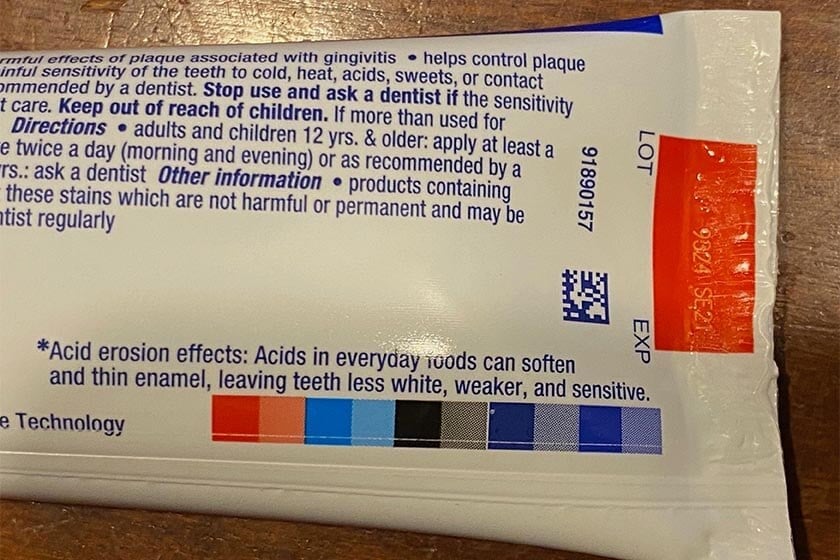
In the vast aisles of dental care, the myriad of toothpaste tubes boasting a plethora of colors invites curiosity. Have you ever wondered what the colors on toothpaste tubes signify? These vibrant colors aren’t just for aesthetic pleasure; they encapsulate significant information about the content inside. Understanding these colors can help consumers make informed choices regarding their oral hygiene products. This article delves into the meanings behind these colors, the ingredients they might indicate, and what to look for when selecting your ideal toothpaste.
The Color Code Breakdown
Toothpaste tubes frequently showcase a color code often located at the bottom of the packaging. This color indicator, typically a small square or rectangle, denotes what type of ingredients are utilized in the formulation of the toothpaste. While the significance of each color can vary slightly between brands, there is a general consensus regarding their meanings.
- Green: A symbol of premium quality, green often signifies a natural formula. Toothpaste with a green color code usually contains herbal, natural, or organic components. It may emphasize eco-friendliness and the absence of harsh chemicals, appealing to those with a preference for holistic dental care.
- Blue: This hue represents a blend of natural and medicinal ingredients. It’s common to find that blue-coded toothpaste includes fluoride, targeting cavity prevention, while also incorporating soothing agents like aloe vera or tea tree oil. This dual functionality intrigues consumers who are looking for a toothpaste that not only protects but also nurtures their gums.
- Red: The striking red color often signifies a toothpaste rich in medicinal properties. These formulations typically contain active ingredients aimed at combating specific dental issues such as gum disease or sensitivity. Users may find that the red-coded toothpastes are packed with anti-bacterial agents, contributing to firmer gums and overall oral health.
- Black: A recent entrant into the color coding scene, black toothpaste usually denotes a more experimental or unconventional approach to dental health. Charcoal-based formulations, often marketed towards those seeking teeth whitening solutions or detoxifying properties, are quite popular under this category. Consumer caution is advised, as the effectiveness and long-term safety of such innovative ingredients are still under scrutiny.
Beyond the Color: Ingredient Insight
Diving deeper, it’s essential to examine the ingredients that accompany these sleek color codes. Generally, the base components include abrasives, humectants, and fluoride. The abrasives are crucial for removing plaque and stains, while humectants ensure that the paste maintains moisture. Furthermore, fluoride has been heralded for its role in preventing cavities and strengthening enamel.
However, the color coding system raises important questions about the transparency of corporations regarding ingredient sourcing and potential chemical additives. While some brands might emphasize natural ingredients due to their green or blue coloring, it doesn’t eliminate the necessity of scrutinizing the full ingredient list. Critics underscore the potential for ‘greenwashing’—where companies present themselves as environmentally friendly without substantive backing. It’s advisable to look beyond the color and delve into the specifics of each product.
What to Look for When Choosing Your Toothpaste
When evaluating toothpaste, consumers should assess several critical factors:
- Fluoride Content: Fluoride is a pivotal element for maintaining dental health; it strengthens tooth enamel and combats decay. If you are prone to cavities, selecting a fluoride-based toothpaste—often indicated by blue or red codes—may be a wise choice.
- Specialized Needs: Identify your specific dental concerns. If you’re battling sensitivity, look for formulas that cater specifically to that with ingredients designed to soothe the nerves within the teeth. Likewise, if whitening is your goal, activated charcoal formulas (typically black) or those with hydrogen peroxide are worth considering.
- ADA Seal of Acceptance: The American Dental Association (ADA) grants its seal to products that have met rigorous testing for safety and effectiveness. Opt for toothpaste that carries this mark, as it signifies quality assurance.
- Flavor and Texture: The sensory experience can impact the effectiveness of your oral hygiene routine. Whether you prefer mint, cinnamon, or berry flavors, finding a toothpaste you relish will encourage consistent use, which is crucial for preventing dental issues.
The Importance of Personal Preference
Ultimately, the colors on toothpaste tubes serve as convenient indicators, guiding consumers toward products that potentially align with their values and dental needs. However, achieving optimal dental wellness is a highly personal journey—what works for one individual may not cater to another’s unique requirements. Frequent communication with dental professionals, alongside a careful review of the product’s ingredients and objective evaluations of effectiveness, is vital in navigating the complex toothpaste landscape.
So, the next time you find yourself perusing the dental care aisle, take a moment to consider the colors on those toothpaste tubes. Their meanings unveil a tapestry of options designed to cater to your specific needs, interests, and ideals concerning oral health. By opting for products that genuinely align with your dental requirements, you empower yourself to take charge of your oral hygiene.
In conclusion, understanding toothpaste colors can significantly enhance your dental care routine. By decoding these vibrant hues and evaluating product ingredients diligently, you’ll be better equipped to choose a toothpaste that not only meets your dental health needs but also embodies your values and preferences.












