
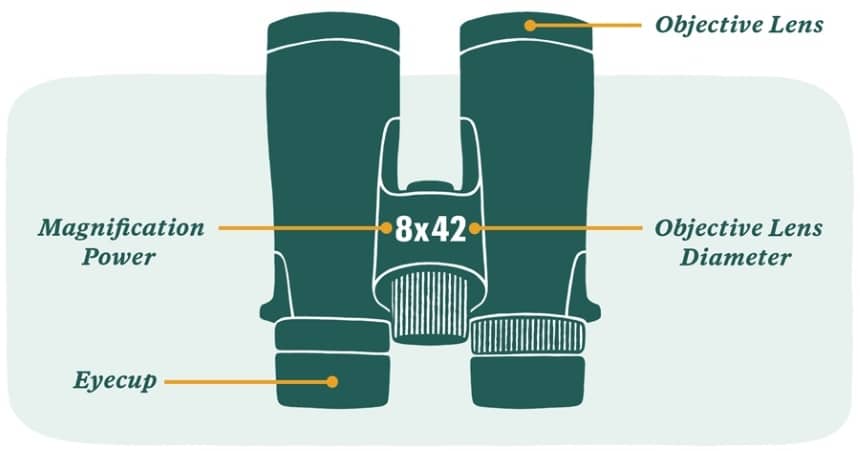
When exploring the world of optics, particularly in the realm of binoculars, you might come across a seemingly perplexing sequence of numbers, such as “10×42.” Both amateur birdwatchers and seasoned hunters alike often ponder the significance of these figures. Understanding what they signify can vastly enhance your viewing experience, whether you’re navigating through dense forest foliage or scanning the vast skies.
The two numbers, “10” and “42,” denote the magnification power and the diameter of the objective lens, respectively. This seemingly straightforward notation encapsulates a wealth of optical information that deserves a closer look.
Understanding Magnification: The First Number
The first figure, in this case, “10,” indicates the magnification power of the binoculars. A magnification factor of 10 means that the image you see through the binoculars appears ten times closer than it would with the naked eye. This aspect is crucial for many outdoor enthusiasts who require fine detail in their observations. From wildlife watching to stargazing, higher magnification enables users to gather more detail without physically moving closer to the subject.
However, it is essential to understand that higher magnification comes with certain trade-offs. The field of view—the breadth of the observable scene—tends to narrow as magnification increases. This can make tracking moving objects more challenging. Additionally, higher magnifications can lead to image instability. Consequently, a magnification of 10 is often considered a balanced choice for many recreational activities, providing a good mix of detail and ease of use.
The Objective Lens Diameter: The Second Number
The second number, “42,” references the diameter of the objective lens in millimeters. The objective lens is the one furthest from your eyes when you’re looking through the binoculars. A larger objective lens generally allows more light to enter the binoculars, which is crucial for producing brighter images—especially in low-light conditions, such as during dawn or dusk. A 42mm lens strikes a solid balance between brightness and portability, making it an excellent choice for most outdoor activities.
In dim light, larger lenses shine, allowing more ambient light to filter in, making details visible without burning out your retinas. However, larger objective lenses also mean heavier and bulkier binoculars, so there are trade-offs between brightness and usability that every user must consider.
Interplay of Magnification and Lens Diameter
The relationship between magnification and objective lens diameter produces a critical metric known as the exit pupil. The exit pupil, calculated by dividing the aperture size by the magnification, represents the beam of light that exits the eyepiece. For our 10×42 binoculars, the exit pupil measures 4.2mm.
An exit pupil size of 4.2mm is favorable for most users. Ideally, your eye’s pupil will dilate to about 7mm in low light, which means that these binoculars would effectively utilize the available light. In brightly lit situations, such as during the midday sun, the exit pupil becomes less crucial but still provides an impeccable viewing experience without light distortion. This balance serves the needs for clarity, brightness, and comfort, whether you’re lounging at a picnic or trekking in the wilderness.
Applications of 10×42 Binoculars: Where They Excel
Binoculars labeled as 10×42 are incredibly versatile instruments that cater to a wide array of interests. Birdwatchers often gravitate toward this format because it allows for detailed observations from a respectful distance, thereby minimizing disturbance to wildlife. Likewise, hunters benefit from the capacity to take in the landscape for spotting game without straying too close to where the animals congregate.
Photographers utilize 10×42 binoculars for scouting locations and assessing potential shoot sites. The high magnification provides a spectacular view of distant objects, helping to ascertain composition and lighting conditions without entirely exiting their comfort zone. Even spectators of sports events find these binoculars invaluable for following the action on the field or court.
Considerations When Choosing 10×42 Binoculars
While 10×42 binoculars are a stellar option, several factors can influence your choice. Optics quality, including coatings on the lenses, play a pivotal role in light transmission and color fidelity. Additionally, build quality and feel in your hands matter significantly; lightweight designs reduce fatigue during prolonged use. Comfort is crucial, especially when you may spend hours surveying the horizon or the treetops above.
Ergonomics is equally relevant. Non-slip coatings, comfortable eyecups, and appropriate eye relief all contribute to a seamless and enjoyable experience. And of course, consider waterproofing and fog proofing if you’ll be adventuring in various environmental conditions.
Conclusion: The Intricacies Behind “10×42”
Ultimately, “10×42” binoculars offer a compelling equilibrium of power and practicality, making them a perennial favorite among outdoor enthusiasts. The confluence of magnification and lens diameter provides users with the agility to observe intricate details while maintaining a comfortable viewing experience. Understanding this terminology not only enhances your knowledge of optics but also ensures that you select the ideal binoculars tailored to your specific pursuits. Whether you’re uncovering the nuances of avian life or gazing at celestial wonders, the right pair of binoculars reveals an entire world waiting to be explored.












