
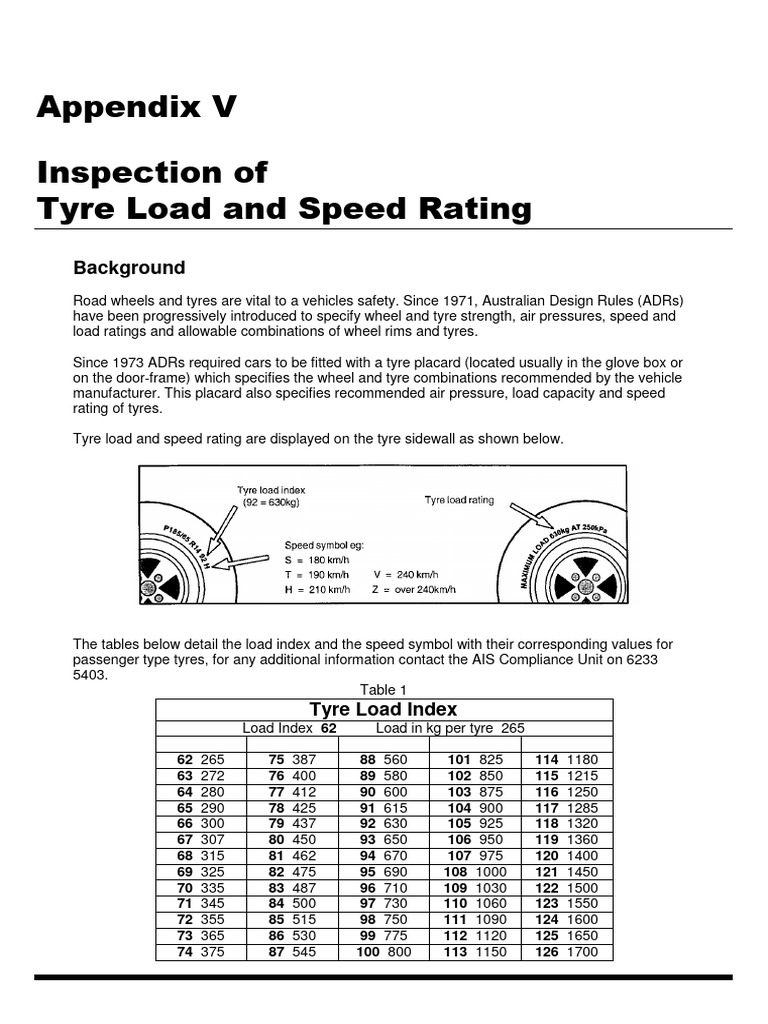
When you peer into the seemingly cryptic code stamped on the sidewall of a tire, you may encounter a perplexing alphanumeric sequence like “115T.” This enigmatic combination tells an important story about the tire’s capabilities, speaking to those who understand load and speed ratings. Just as an artist pours personality and passion into their work, so too do these ratings reveal the unique essence of a tire, encapsulating its potential and limitations.
The Canvas: Understanding Load Ratings
Imagine a canvas stretched taut, ready for a masterpiece. Similarly, the load rating of a tire is a threshold, indicating the maximum weight it can bear while maintaining performance and safety. The number “115” refers to this capacity, offering a glimpse into the tire’s strength. Each tire bears a specific numerical load index, a code that embodies the tire’s potential for supporting heavier loads, a critical consideration for drivers who require durability and dependability.
The load index of “115” denotes that this tire can support a maximum weight of 2,642 pounds (1,200 kilograms) when properly inflated. This means it’s capable of carrying substantial cargo without succumbing to the perils of excessive weight—a vital aspect for SUVs and trucks that often bear heavy loads coupled with the demands of daily life. It is crucial to understand that exceeding this limit could lead to catastrophic tire failure, just like an overburdened artist unable to manifest their vision due to an inadequate canvas.
The Brushstroke: Unraveling Speed Ratings
Transitioning from load capacity to speed, the “T” in “115T” acts as a brushstroke of speed potential, indicating the maximum speed at which the tire can safely operate under optimal conditions. The speed rating “T” signifies a maximum speed of 118 mph (190 km/h). This reveals a tire that is not only built to carry weight but is also designed to facilitate motion with grace and stability. In the realm of performance vehicles, this becomes particularly significant, as the tire’s capability to maintain integrity at higher velocities is paramount for overall safety and performance.
A tire adorned with the “T” rating is like a sleek racehorse, galloping with finesse—quick, yet reliable. However, just as a racehorse requires careful training and conditioning, so too does a tire need proper maintenance and inflation. The harmony between load capacity and speed nuances the experience of driving, making it a balletic performance rather than a mere commute.
The Balance: Tires Tailored for Purpose
This alphanumeric confluence brings to light a central tenet: tires are not one-size-fits-all solutions. The “115T” rating is particularly suited to vehicles that balance daily utility with the capacity for occasional spirited drives. It exemplifies the dual nature of many modern vehicles—comfort and performance coexisting in splendid equilibrium. For instance, an SUV equipped with such tires can navigate through city traffic while being prepared for a weekend expedition, adapting to various terrains with aplomb.
On the converse, drivers who frequently engage in high-speed maneuvers or carry exceptionally heavy loads may need to consider tires with higher ratings. Thus, understanding the “115T” designation becomes critical for discerning drivers, ensuring that the tires chosen affirm their vehicle’s capabilities rather than diminishing them.
The Fabric: Safety Implications
At the heart of any discussion surrounding tire ratings rests the bedrock of safety. Tires are not merely accessories; they are integral to the fundamental functioning of a vehicle. Misunderstanding the significance of load and speed ratings could lead to compromising safety—an imperceptible phenomenon that can have far-reaching consequences. Choosing a tire such as one rated “115T” offers reassurance for everyday driving scenarios, ensuring that one can traverse highways and byways with confidence.
Furthermore, regularly checking tire pressure and monitoring wear and tear is akin to caring for a prized possession. Just as an artist must protect their canvas from the elements, so too must drivers ensure their tires are in prime condition, free from damage that could impair performance. This vigilance will maximize the tire’s life cycle, enhancing both safety and economic efficiency.
The Journey Ahead: Navigating Tire Choices
In the grand tapestry of automotive experience, understanding the “115T” rating serves as a compass, guiding drivers toward informed choices regarding their tires. This knowledge demystifies the code, encouraging an exploration of options that enhance vehicle performance and safety. Just as artists meticulously choose their materials to create vivid masterpieces, making prudent choices about tires will culminate in a seamless and enjoyable driving experience.
With a proper understanding of load and speed ratings, you’re equipped to forge a deeper connection with your vehicle, harnessing its potential to effortlessly glide down the road. Embrace the art of tire selection—the next time you glance at that tantalizing inscription, remember it’s not merely numbers and letters, but rather a testament to engineering prowess and the promise of adventure.
In conclusion, the enigmatic “115T” embodies two pivotal aspects of tire safety and performance. It is an invitation to delve deeper into what makes a tire suitable for your specific needs, ensuring that every journey you undertake is characterized by safety and exhilaration. The road awaits—your adventure begins with the right tires beneath you!












