
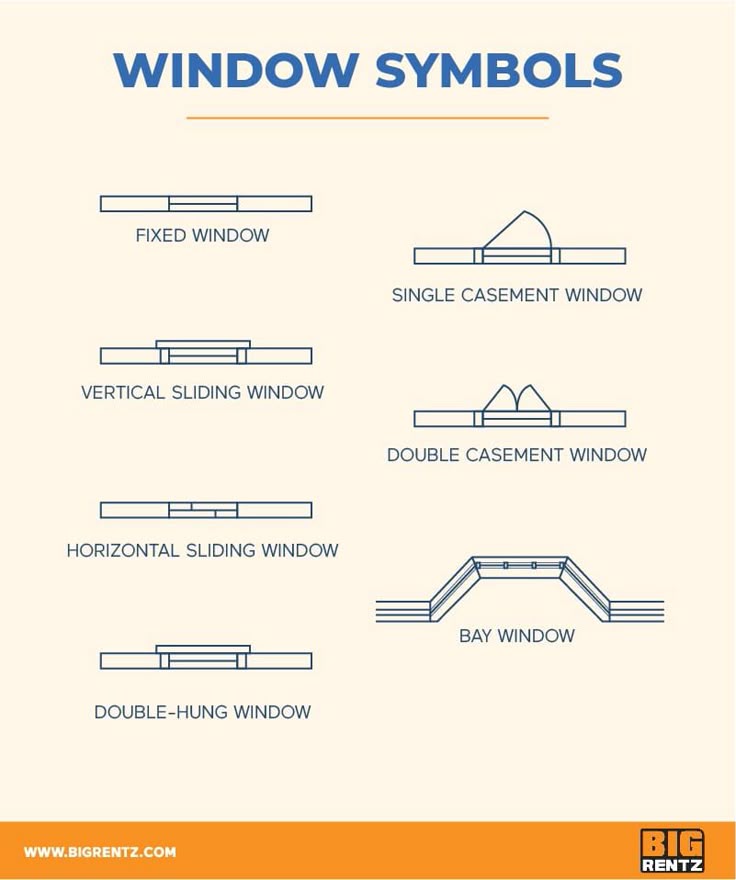
Understanding the intricate symbols and notations prevalent in architectural schematics is vital for deciphering the subtleties of a floor plan. Among these terms, “116 AFF” merits particular attention as it paints a vivid picture of spatial relationships. But what precisely does this term signify, and how does it influence our perception of space? Delve into the intricacies of “116 AFF” to uncover its significance in the architectural lexicon.
1. Demystifying “AFF”
At the outset, one must comprehend the abbreviation “AFF,” which stands for “Above Finished Floor.” This term is a crucial component in interpreting vertical measurements within a building’s layout. It denotes that the measurement is relative to the finished floor level—essentially, the height at which all subsequent elements will be positioned or installed. Thus, “AFF” encapsulates the relationship between various architectural features and the floor’s surface in a truly illuminating manner.
2. The Significance of the Number: 116
The number preceding “AFF” adds yet another layer of interpretation. In this context, “116” signifies a measurement of 116 inches above the finished floor. This height is not arbitrary; it is meticulously calculated to fulfill specific functional and aesthetic requirements in the design of a space. For example, 116 inches—approximately 9 feet 8 inches—can often be representative of the positioning of key elements such as lighting fixtures, electrical outlets, or even the height at which cabinetry or shelving is installed.
3. Exploring Practical Applications
This numerical descriptor has far-reaching implications in various aspects of design and construction. In residential spaces, the elevation of 116 AFF could dictate the optimal positioning of pendant lights above an island or bar area, ensuring both functionality and visual appeal. In commercial settings, it could denote the height of signage or display elements, enhancing accessibility while maintaining an inviting ambiance.
The positioning of elements at a designated height elevates the overall design, shifting the perspective from merely functional to highly aesthetic. Understanding these nuances enables architects and interior designers to craft spaces that resonate harmoniously with the planned use.
4. A Shift in Perspective
When one perceives a numeric designation like 116 AFF, it transcends beyond mere numbers; it represents the profound impact of thoughtful design on human experience. Elevations at various heights create layers of interaction within a room. This specificity contributes to the cognitive and emotional responses elicited by a space. By grasping the ‘why’ behind these measurements, one begins to appreciate the delicate interplay between architecture and the human experience.
5. Cohesive Design Principles
The application of “116 AFF” also underscores the importance of cohesive design principles. In a well-crafted floor plan, every height and location is intentional, contributing to an overall narrative of space. For instance, combining various heights—such as countertops, shelving, and appliances—establishes a visual rhythm that can enhance or disrupt the flow of movement within a space. Each “AFF” measurement argues for a symbiotic relationship between the architectural features and their functional roles.
6. The Role of Technology
In our modern age, technology has further enriched the understanding and application of terms like “116 AFF.” Advanced design software and Building Information Modeling (BIM) allow architects to create three-dimensional representations of spaces, visualizing how these elevations play out in real-time scenarios. This capability fosters an enriched dialogue about design and enhances collaborative efforts among stakeholders, ultimately leading to more refined and thoughtful spaces.
7. Challenges and Considerations
Despite its benefits, the specification of “116 AFF” also brings forth challenges that require consideration. Variations in building codes, the necessity for compliance with accessibility standards, and the unique demands of different spaces can complicate the implementation of such measurements. For instance, in spaces accommodating individuals with disabilities, considerations for height adjustments might take precedence, warranting deviations from the prescribed elevation. Thus, flexibility and creativity become paramount in navigating these challenges.
8. Contextual Importance
The context in which “116 AFF” is utilized cannot be overstated. Different environments—residential, commercial, industrial—may ascribe varying significance to this measurement. In a restroom, for example, the height of grab bars may be indicated proudly as “116 AFF,” addressing safety and accessibility concerns. In contrast, this same measurement in a retail environment might relate to product displays, highlighting its versatile application across myriad fields.
9. Conclusion: A Deeper Understanding
In conclusion, grasping the meaning of “116 AFF” in a floor plan extends far beyond a superficial examination of architectural notations. It acts as an entry point into a world where design meets human experience, demonstrating how meticulous decisions shape our interaction with space. As one ponders over how these measurements influence their environment, curiosity about the multifaceted layers of design is inevitably sparked. The next time you encounter these letters and numbers, let them guide you to perceive the nuances of height, function, and emotion inherent in any thoughtfully created space.












