
Understanding the various gold purities can become daunting, especially for those venturing into the world of fine jewelry. Among the most frequently encountered terms is “14KP.” But what does it mean? And more intriguingly, could it potentially impact your jewelry choices? This article will journey through the realms of gold purity, demystifying the cryptic codes and symbols you might encounter while shopping or inspecting your cherished pieces.
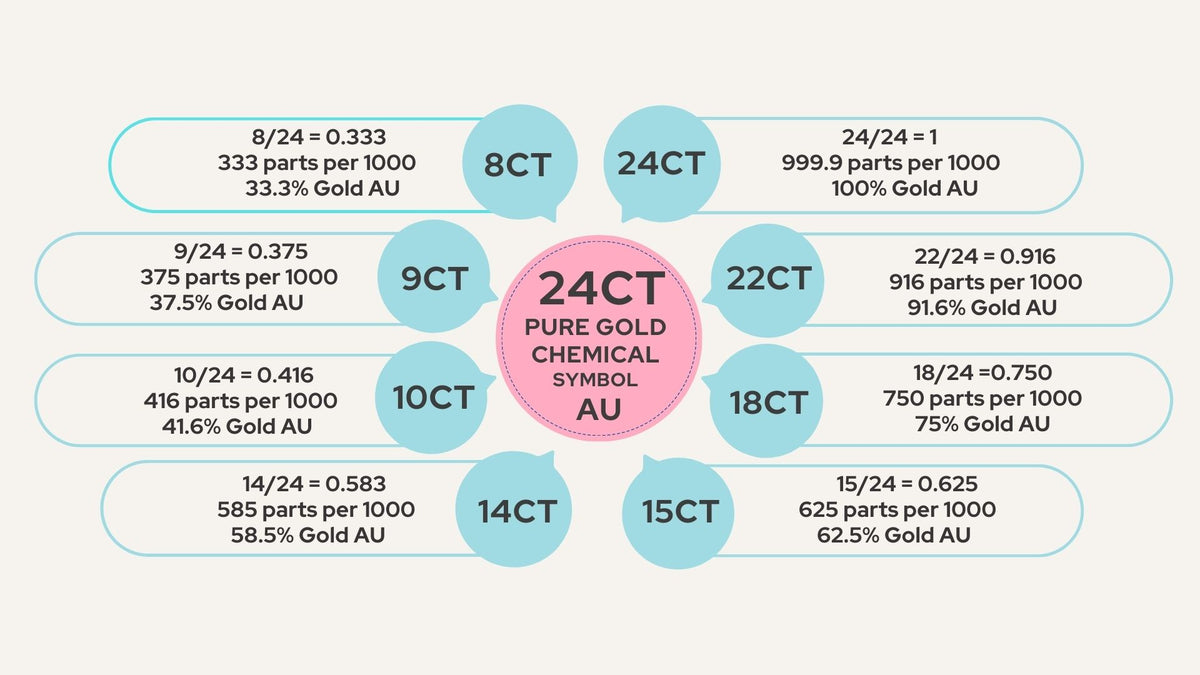
When you hear the term “14KP,” it conjures images of sparkling trinkets, but what lurks behind this notation? The “14K” signifies the gold’s purity level—14 parts gold out of a total of 24 parts, thus summing up to 58.3% pure gold. The “P” signifies the presence of different alloys. These can incorporate a myriad of metals such as copper, silver, and sometimes even palladium, which collaborate to forge the final product. The ratios of these alloys heavily influence the color, durability, and overall character of the gold.
So, why should you care about terminologies like “14KP”? The crux of the matter lies in the interplay of durability and luster. Higher karat gold, such as 18K or 22K, tends to be more malleable and, consequently, can be more susceptible to scratches and dents. 14K, with its additional alloy content, brings sturdiness, making it an ideal choice for everyday jewelry. Have you ever experienced the disheartening moment when your favorite ring gets a scratch? Choosing the right purity level could reduce such mishaps!
Now, you might be wondering, does the alloy content also influence the aesthetic appeal? Absolutely! The choices of alloy can yield a spectrum of colors. For instance, when copper is added, the resulting hue leans toward the captivating rosy tone of rose gold. Conversely, a blend with silver or palladium can create a more silvery finish, adding a modern flair. Each choice results in tantalizing variations, and it poses a playful question: which hue resonates best with your personal style?
In delving deeper, let’s explore the implications of opting for 14K gold jewelry. One noteworthy factor is its affordability. Because 14K gold consists of a mixture of gold and other metals, it tends to be more economical compared to higher karat gold. In today’s world, where budgets often constrain choices, this becomes a delightful discovery. It’s a savvy option that allows you to indulge in the luxury of gold without straining your finances.
Moreover, when comparing 14K to 10K gold, a common choice for budget-conscious buyers, the distinction becomes clear. While 10K gold is indeed more affordable—comprising 41.67% gold—it does present a marked difference in color and allure. The “lesser” amount of gold equates to a slightly duller sheen and can also prompt faster tarnishing due to increased alloy content. So, should you prioritize beauty, longevity, or cost-effectiveness while making your purchase? It’s a challenging question, isn’t it?
Let’s not forget the practical considerations of wearing 14K gold. Its robustness makes it particularly appealing for those with active lifestyles. Imagine donning an exquisite gold necklace or bracelet during an adventurous outing—14K offers peace of mind, allowing you to express your style without the constant fear of damaging your jewelry. Could it possibly become your go-to choice for everyday wear?
Understanding the nuances of purity can empower you as a consumer. When purchasing gold items, scrutinizing the stamps and markings serves to unveil their authenticity. The “K” symbol is universally recognized as a hallmark signaling the gold’s carat, and often, jewelry will include accompanying certifications verifying its composition. Have you ever found yourself questioning the legitimacy of a vendor’s claims? Proper knowledge equips you with the tools to ensure what you buy is genuine.
Yet, with great power comes great responsibility. Just as you weigh the aesthetic against the practical attributes of gold purity, ensuring you’re making informed purchases also protects your investment. The jewelry market can be rife with options, and some vendors may tempt you with misleading quality claims. Hence, always inquire about the authenticity and quality guarantees when shopping.
Interestingly, the allure of gold jewelry transcends mere aesthetics—it carries sentimental value. Gifts of gold often embody cherished memories and special moments. When choosing a piece marked “14KP,” you’re not merely investing in a product but a legacy. Could this be the ingredient that makes your choice not just a purchase, but a keepsake to pass down through generations?
Ultimately, the question “What does 14KP mean?” serves as a gateway into the broader narrative of gold purity. With its balance of beauty, durability, and affordability, 14K gold stands as a compelling choice for many. As you explore your options, consider how the intricacies of purity and alloy combinations align with your personal preferences and lifestyle. Whether you’re a seasoned aficionado or a novice explorer, finding the perfect piece can be both an enjoyable quest and a fulfilling investment in your style narrative.
So, what will your next gold purchase be? Will you gravitate toward the warm hues of yellow gold, the charming tones of rose gold, or perhaps the sleek finish of white gold? The journey awaits, full of delightful opportunities to express yourself through the exquisite art of jewelry.












