
Understanding the nuances of labor can be both fascinating and perplexing. Among the myriad of terms and measurements used by healthcare professionals, the phrase “negative two station” often arises during cervical examinations. This term is pivotal for expectant mothers, their partners, and anyone seeking insight into the labor process. But what does -2 station truly signify in the context of cervical dilation and fetal descent? Let’s delve deeper into this term and its implications for labor.
To begin, it is essential to grasp the positioning system used to measure the descent of the fetus through the birth canal. The pelvic brim acts as the reference point, designated as the “zero station.” The stations are measured in centimeters, where negative numbers (e.g., -1, -2, -3) indicate that the fetus is situated above the pelvic brim, while positive numbers (e.g., +1, +2) signify positions below that threshold. Thus, a -2 station indicates that the fetus is located two centimeters above the ischial spines, the bony protrusions in the pelvis.
When a practitioner states that a woman’s cervix is at -2 station, it often evokes a sense of curiosity about what this means for the labor process. Being at -2 station indicates that the baby has not yet engaged with the pelvic inlet, meaning labor is still in its earlier stages. It raises questions about the duration of labor, the involvement of uterine contractions, and the overall readiness of the mother’s body to transition into the more active phases of labor.
The measurements of cervical dilation and fetal stations serve not just as indicators of progress but also reflect the intricate dance between maternal anatomy and the developing fetus. Labor is a multifaceted process influenced by a myriad of factors, including hormonal changes, the mother’s physical condition, and the baby’s position and readiness for birth. Thus, understanding -2 station is significant in decoding labor’s progression.
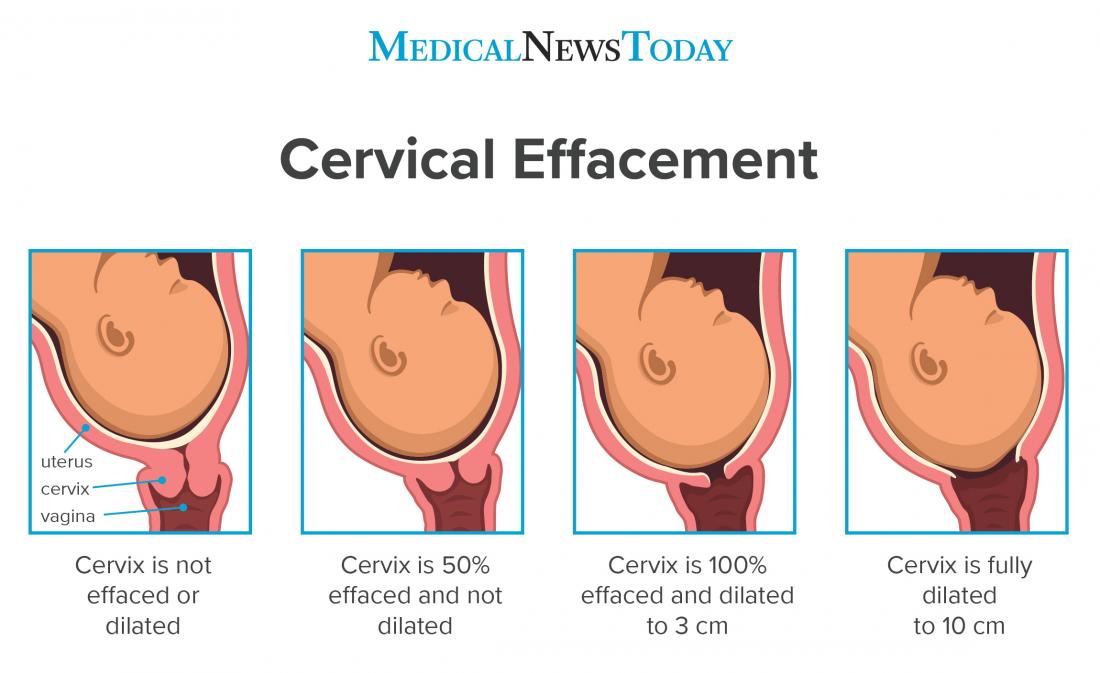
Let’s examine the physiological processes that contribute to reaching the -2 station. Labor typically progresses through stages, starting with the latent phase, where contractions become more regular and the cervix begins to efface and dilate. At this juncture, the cervix may be partially open, perhaps around one to a few centimeters dilated, while the fetus may still be hovering at a -2 position.
As labor continues, the importance of position cannot be overstated. The fetal position plays a crucial role in how effectively the baby engages with the cervix and descends through the birth canal. A fetus that is in the optimal position, generally head-down and in a flexed posture, will have an easier journey through the pelvis. Conversely, if the baby is in a less favorable position, such as breech or transverse, it might lead to prolonged labor or necessitate medical interventions. This aspect demonstrates the delicacy of timing and positioning during childbirth.
Moreover, being at -2 station opens the discourse on the psychological dimensions of labor. Expectant mothers may experience a mix of emotions ranging from anticipation to anxiety, particularly when updated on their progression. Knowledge of being at a -2 station can elicit feelings of uncertainty about when labor will culminate in the arrival of the baby. This emotional landscape is an integral facet of the birthing process, highlighting the need for support systems such as doulas, midwives, or trusted family members.
A critical aspect to acknowledge is the role of healthcare providers in interpreting these measurements. Through palpation and vaginal examinations, trained clinicians provide assessments of the cervix and fetal positioning. They interpret what a -2 station means in the larger context of labor progression. Regular monitoring and assessments can inform mothers and their support teams about the next steps, whether that involves continuing natural labor or considering interventions.
While the physical and emotional realms are crucial, external contingencies must be considered. Factors such as maternal health, gestational age, and the overall condition of the fetus are superimposed on labor’s progression. For instance, if a woman has underlying health conditions—such as gestational diabetes or hypertension—these issues may precipitate earlier or more aggressive interventions. Conversely, in healthy pregnancies, healthcare teams might adopt a wait-and-see approach even if the cervix remains at -2 station for an extended period.
As labor unfolds, laboring individuals may wonder what comes next. If a mother remains at -2 station for too long, this may necessitate interventions like breaking the water (amniotomy) or the use of medications to augment uterine contractions (augmentation). However, it is essential to recognize that every labor is unique. Some may labor intensively at -2 station for hours, while others may progress rapidly to engagement and subsequent dilation.
Ultimately, understanding the terminology surrounding labor, such as the -2 station, provides vital insight into the intricate workings of childbirth. This information captures not only the physiological and medical aspects but also the deeply personal journey every expectant mother undertakes. Awareness of such details may serve to demystify the labor process, allowing for a more informed and empowered birthing experience.
In sum, the -2 station offers a fascinating glimpse into the complex interplay between maternal-fetal dynamics during labor. As expectant mothers and their support systems navigate this journey, the measurement serves as a reminder of the milestones achieved and the profound experience that lies ahead. Labor is not merely a physical event; it is a transformative rite of passage, characterized by anticipation, resilience, and the ultimate arrival of new life.












