
Understanding vision acuity is paramount, especially in a world where clarity of sight significantly impacts daily activities. The common notation of 20/30 vision often leaves individuals curious about its implications. But what exactly does this means for your visual proficiency? Below, we delve into the intricacies of 20/30 vision, exploring various facets including its definition, significance, potential implications for daily life, and possible corrective measures.
Defining 20/30 Vision
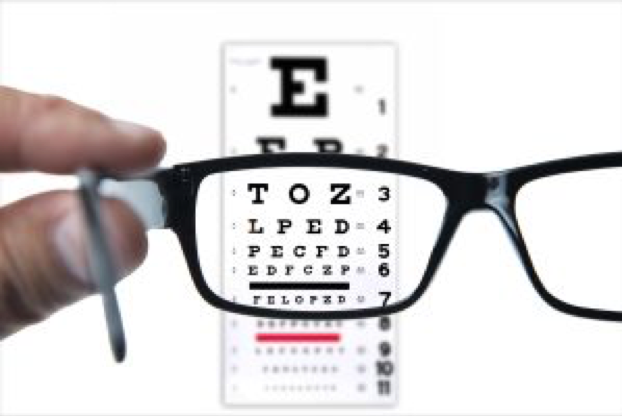
Vision is typically measured using a Snellen chart, which consists of various letters arranged in lines of decreasing size. The first number in the notation, “20”, signifies a standard distance at which a person with perfect vision can clearly read a letter, approximately 20 feet. The second number, “30”, indicates the distance at which a person with 20/30 vision can read that same letter. Consequently, if someone has a vision score of 20/30, it means they must stand 30 feet away to see what an individual with normal vision could perceive clearly from 20 feet away.
The Significance of 20/30 Vision
Being classified as having 20/30 vision implies that while your eyesight is not optimized, it is still considerably functional. This level of acuity suggests mild myopia or hyperopia, depending on the individual’s specific eye physiology. It is essential to acknowledge that while individuals with 20/30 can manage in everyday situations, they may struggle with tasks that require fine detail or distance judgment, such as reading street signs while driving or seeing details on a television screen from a distance.
Real-World Implications
Everyday tasks: Having 20/30 vision can still allow one to navigate daily life effectively; however, it can pose challenges in certain scenarios. Activities like driving, particularly at night or in bad weather, may exacerbate difficulties. Although legally blind individuals in many jurisdictions are defined as having worse than 20/200 vision, the distinction between 20/20 and 20/30 is essential for assessing safety and efficacy in various environments.
Occupational considerations: Some professional fields impose stringent vision requirements. For instance, pilots, law enforcement officers, and certain healthcare providers necessitate sharper acuity. Interestingly, individuals with 20/30 vision may need corrective lenses to meet these requirements, emphasizing the importance of periodic eye examinations.
Corrective Measures
If someone discovers they have 20/30 vision, they may wonder whether corrective lenses or treatments are necessary. Options are plentiful, ranging from eyeglasses to contact lenses, and even refractive surgeries such as LASIK, depending on the underlying causes of diminished visual acuity. Consulting an ophthalmologist can shed light on personalized solutions tailored to specific needs, thus enhancing overall vision quality.
Understanding the Wider Context of Vision
Interestingly, vision can fluctuate based on numerous factors, including age, environment, and health conditions. The progression from 20/20 to 20/30 might be overlooked initially but can have cumulative effects over time. With age, individuals frequently experience presbyopia, leading to a gradual decline in near vision. Apart from age, factors like prolonged screen time can exacerbate eye strain, making it imperative to maintain regular eye care routines. Furthermore, adhering to a diet rich in vitamins A, C, and E, along with omega-3 fatty acids, can bolster eye health.
Conclusion
In summarization, 20/30 vision denotes a moderately reduced visual acuity that can still support a functional lifestyle, though challenges may arise in specific contexts. It encapsulates the notion that vision, while essential, varies widely among individuals. Regular check-ups and proactive management through corrective lenses or lifestyle adjustments can enhance one’s visual experience, paving the way for sharper sight and improved quality of life. Overall, understanding 20/30 vision underscores the importance of eye health, urging individuals to remain vigilant about their ocular well-being.












