
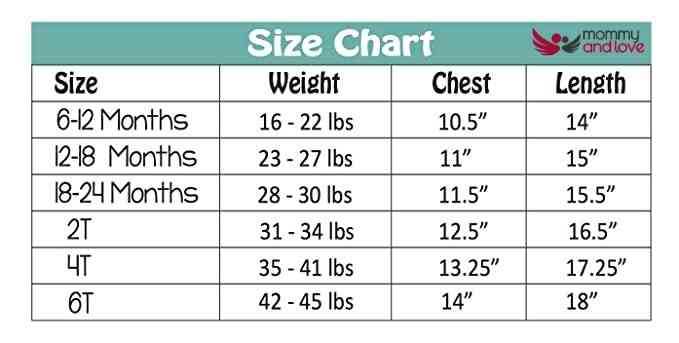
In the world of children’s clothing, sizing can be a source of confusion for many parents. One term that frequently crops up is “2T.” This article endeavors to demystify what “2T” means, its significance in children’s apparel, and how it correlates with other sizes in a way that is both engaging and informative.
Understanding the Basics of 2T
The “T” in 2T stands for “Toddler,” which is a specific category of clothing designed for young children, approximately aged 2 to 3 years. Unlike other sizing systems that may simply indicate age, toddler sizes consider the physical development of children during that critical growth stage. In essence, when you see 2T, it indicates that the garment has been tailored to fit a child who typically weighs between 24 to 36 pounds and stands between 32 to 36 inches tall.
The Demarcation of Toddler Sizes
The toddler size range generally includes 2T, 3T, and 4T, with each size accommodating the expected growth of a child during these formative years. Here’s a simplified breakdown:
- 2T: Suitable for a child around 24 to 36 months.
- 3T: Generally fits children aged 3 years, weighing 28 to 38 pounds and 36 to 39 inches tall.
- 4T: Aimed at 4-year-olds, typically weighing between 32 to 40 pounds and measuring 39 to 42 inches in height.
Comprehending these distinctions helps parents ascertain which size may best accommodate their growing children, providing both comfort and a proper fit.
The Differences Between Age and Size
A common misapprehension is assuming that clothing sizes are equivalent to a child’s age. For instance, while 2T corresponds to approximately two years of age, it does not mean it is exclusively for two-year-olds. Some children may fit into 2T at 18 months while others might still be wearing 24-month clothing as they approach their third birthday. Variability in growth rates further complicates this; each child is unique. Body size, proportion, and individual growth patterns can vary significantly, and parents are encouraged to consider these factors when selecting clothing.
The Importance of Fit
Let’s delve into why an accurate fit matters in toddler clothing. Poorly fitting clothes can hinder a child’s ability to move freely and explore their surroundings, which is crucial for their developmental milestones. Clothes that are too tight may cause discomfort, while those that are excessively loose may pose safety hazards. As a result, accurate sizing not only contributes to comfort but is also pivotal for an active lifestyle.
Understanding Labeling and Standards
Different brands may have slightly varied sizing standards, so it’s essential to consult each brand’s specific size chart. For example, one label’s 2T may be cut larger or smaller than that of another brand. It’s advisable to cross-reference these size charts and, when possible, try on clothes before purchase, as fit can fluctuate significantly among different manufacturers.
How Does 2T Compare to Other Sizes?
Within the children’s clothing spectrum, toddler sizes are designed with unique considerations compared to “infant” (0-24 months) or “kids” sizes (generally starting from size 4). Infant clothing focuses on accommodating the rather stocky proportions of babies, including wider head openings for easy dressing, while kids’ sizes transition to more standardized fits mimicking adult styles.
While you may come across clothing labeled “24 Months” and wonder how it correlates to 2T, it’s pivotal to note that 24-month garments are tailored more towards the body shape of infants, while 2T embodies designs suited for active toddlers who have begun walking and are more mobile. Therefore, purchasing 2T may often grant parents the advantages of better mobility, comfort, and style aesthetics for their growing toddlers.
Shopping Tips for 2T Clothing
When venturing out to purchase 2T clothing, the following considerations may prove beneficial:
- Check the Fabric: Opt for breathable and flexible materials that allow for easy movement.
- Examine Construction: Reinforced stitching and adjustable elements like waistbands can greatly enhance durability.
- Prioritize Ease of Dressing: Features like snap buttons, wide necklines, and elastic waists can simplify the dressing process for parents.
- Keep Growth in Mind: Purchase slightly larger sizes when possible, ensuring that children have room to grow, as they can quickly outgrow their current size.
Conclusion
Understanding clothing sizes like “2T” is critical for parents as it directly affects not only the comfort but also the developmental growth of their children. By familiarizing oneself with the sizing nuances, readers can make informed purchasing decisions that enrich their child’s wardrobe. Invest time to explore the various dimensions of children’s clothing sizes, and you’ll discover a world that, while initially perplexing, can yield joy and satisfaction as your child embarks on their adventure in an ever-evolving wardrobe.












