
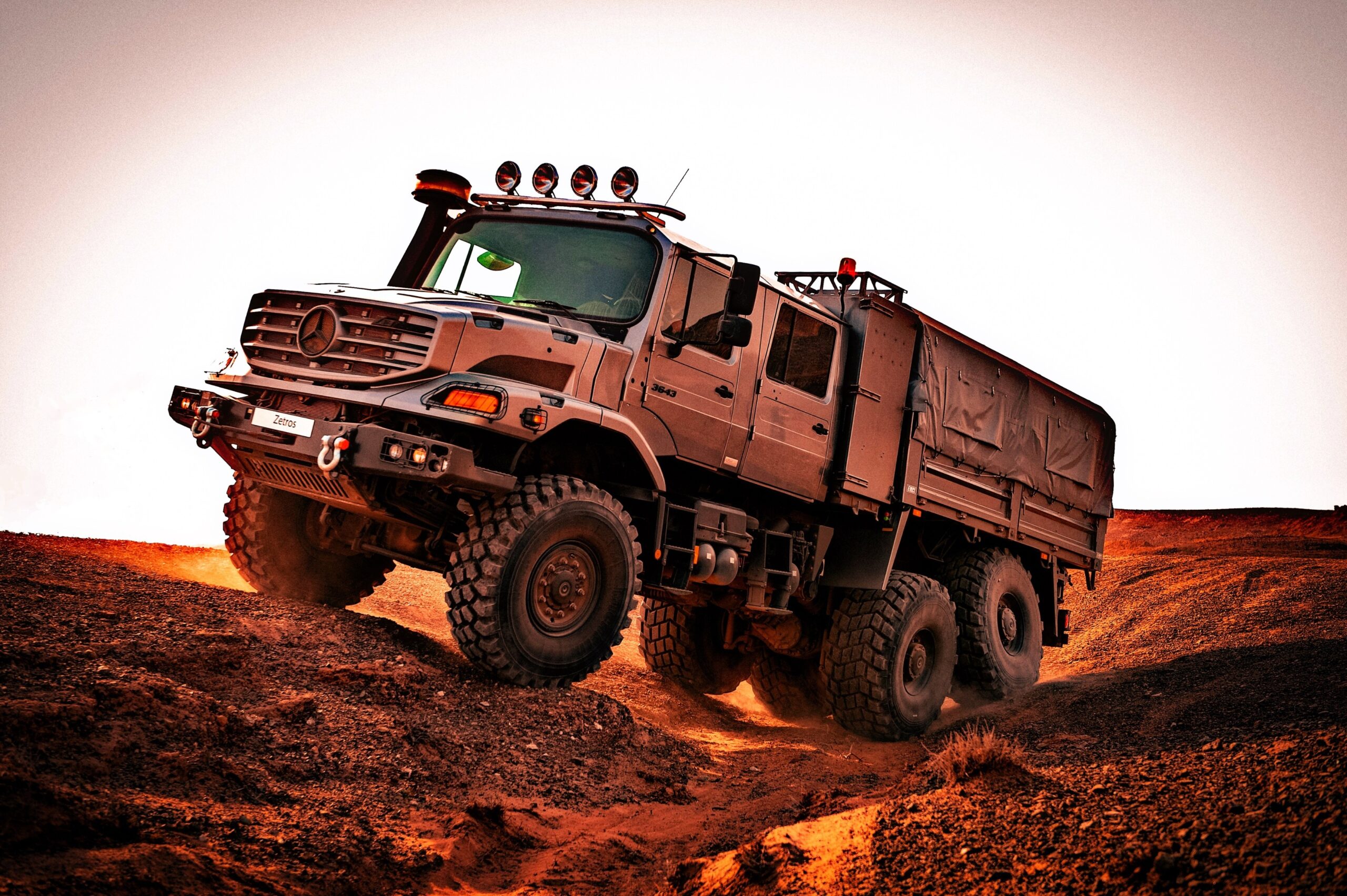
In the world of trucks, the term “4×4” is ubiquitous, often associated with rugged off-road capability and enhanced traction. But what does it truly mean? This article delves into the intricacies of 4×4 designation, explaining its significance in the realm of drivetrain systems, along with the various configurations and driving modes that exist within this classification.
To begin with, the notation “4×4” succinctly encapsulates vital information about a vehicle’s drivetrain: the first numeral indicates the total number of wheels on the vehicle, while the second represents the wheels that receive power from the engine. Thus, in a 4×4 setup, all four wheels are powered, providing greater traction—especially beneficial in challenging terrains.
Understanding Drivetrain Basics
The drivetrain is a complex network that transmits power from the engine to the wheels. This system encompasses various components, including the transmission, driveshafts, differentials, and axles. Each element plays a crucial role in ensuring optimal performance and handling.
At the heart of any drivetrain is the engine, which generates the power necessary to propel the vehicle. The transmission, connected directly to the engine, converts that power into usable torque, allowing for the vehicle’s acceleration and speed control. In a 4×4 truck, the drivetrain is designed to handle increased power demands, particularly during off-road adventures.
The Types of 4×4 Systems
While the 4×4 designation is straightforward, the systems themselves vary significantly. Broadly speaking, there are three primary configurations:
- Part-Time 4×4: This system allows drivers to engage or disengage the 4×4 mode manually. Typically, vehicles with part-time systems operate in two-wheel drive (2WD) under normal conditions for improved fuel efficiency. The driver can switch to 4WD when additional traction is required, such as on slippery or uneven surfaces. These systems work best in off-road scenarios but may not be suitable for constant use on paved roads.
- Full-Time 4×4: As the name suggests, full-time 4×4 operates with all four wheels receiving power at all times. This system is more sophisticated and often includes a center differential, allowing for variations in wheel speed between the front and rear axles. Full-time 4WD provides enhanced traction on-demand and is suitable for various terrains, making it ideal for both off-road and inclement weather situations.
- All-Wheel Drive (AWD): While technically different from 4×4, AWD systems are sometimes included in discussions due to their all-wheel capabilities. Unlike traditional 4×4 systems, AWD is designed to be always activated, automatically distributing power to the wheels with the most traction without any required input from the driver. This makes it particularly useful in changing road conditions.
Driving Modes and Performance
Modern 4×4 vehicles often come equipped with advanced driving modes, allowing drivers to tailor their experience based on various conditions. Here are some common modes:
- Snow Mode: This mode optimizes throttle response and transmission shifts for increased traction on icy or snowy surfaces, reducing the likelihood of wheel spin.
- Sand Mode: Designed for loose terrain, this mode adjusts the vehicle’s traction control and power delivery to keep the wheels turning and maintain momentum.
- Rock Crawl Mode: For serious off-road enthusiasts, this mode minimizes wheel spin and maximizes torque at low speeds, enabling easier navigation over boulders and difficult obstacles.
Pros and Cons of 4×4 Systems
While 4×4 systems provide significant advantages, especially for those who frequently traverse rugged environments, it is essential to recognize the inherent trade-offs.
Advantages:
- Enhanced Traction: The primary benefit of 4×4 systems is their ability to distribute power to all four wheels, providing superior traction in adverse conditions.
- Improved Off-Road Capability: 4×4 trucks are engineered to tackle challenging terrains such as mud, sand, snow, and rocks.
Disadvantages:
- Fuel Consumption: Engaging four-wheel drive can lead to increased fuel consumption due to additional mechanical complexity and resistance.
- Weight and Handling: The components necessary for a 4×4 system often add weight to the vehicle, potentially affecting handling and performance on paved roads.
The Future of 4×4 Systems
The evolution of automotive engineering continues to shape the capabilities of 4×4 systems. Innovations such as adaptive traction control, electronically controlled differentials, and even hybrid electric drivetrains are emerging, vastly enhancing the performance and efficiency of 4×4 trucks.
Moreover, advancements in off-road technology—like terrain response systems and smart suspension setups—are making it easier for drivers to conquer previously insurmountable challenges. These developments not only enhance driving comfort but also expand the possibilities for adventure seekers.
In conclusion, understanding what “4×4” means on a truck encompasses more than just a juxtaposition of numbers. It encapsulates a comprehensive system designed to enhance traction and performance across a variety of terrains. Whether you are an off-road enthusiast or someone looking to navigate through winter conditions, a well-functioning 4×4 system may prove indispensable in your driving endeavors. Its ongoing evolution reflects a commitment to improving capability and technology, ensuring that adventure is always within reach.












