
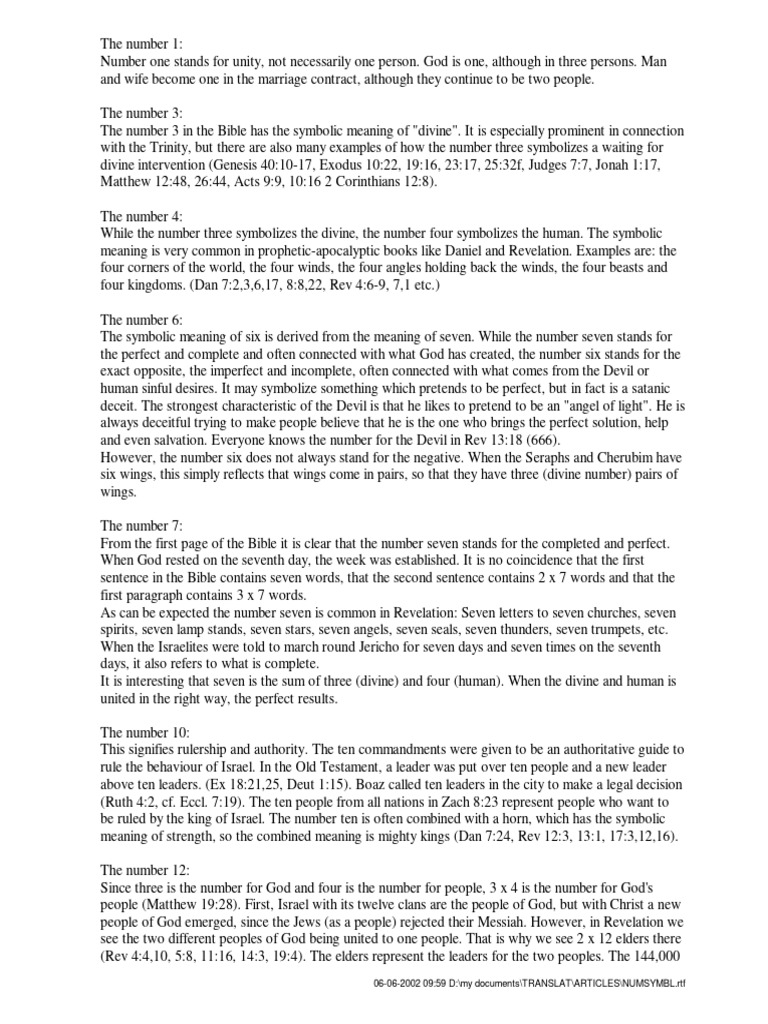
The number 50 holds a significant place within the tapestry of biblical symbolism, a notion that resonates through both the Old and New Testaments. Throughout scripture, numbers often convey deeper theological meanings, evoking spiritual interpretations that go beyond mere arithmetic. The number 50, in particular, represents a culmination and the divine provision, serving as a substantial symbol in various contexts.
One of the most prominent associations with the number 50 is its connection to the Jewish festival known as Pentecost. In Hebrew, this festival is called Shavuot, meaning “weeks.” This celebration occurs fifty days after Passover, marking the end of the grain harvest and commemorating the giving of the Torah at Mount Sinai. The number 50 thus symbolizes completion and a new beginning; it is the divine culmination of the seven-week count that leads up to this transformative event.
Interestingly, the concept of completion also intertwines with the idea of jubilation and freedom. Every fiftieth year in ancient Israel marked the Year of Jubilee, a momentous occasion when all debts were forgiven, and land was returned to its original owners. Leviticus 25 outlines the significance of this year, emphasizing restoration and liberation. As such, 50 encapsulates the essence of second chances, a theme that resonates throughout the biblical narrative. It affirms God’s unwavering commitment to grace and redemption.
Furthermore, the significance of the number 50 can also be perceived through its numerical relationships and biblical references. For instance, the 50th day following the resurrection of Jesus Christ is celebrated by Christians as Pentecost, the day when the Holy Spirit descended upon the apostles. This pivotal event redefined the church’s mission and empowered the apostles for evangelism. The number here not only signifies the fulfillment of prophetic timing but also highlights the divine empowerment granted to believers.
In examining the symbolism of the number 50 in a broader sense, one can observe how it invites reflections on divine order and providence. God often utilizes numerology to communicate profound truths about His kingdom. The book of Revelation, laden with symbolism and coded messages, also employs numbers to unveil greater realities. Fifty is framed within a context of divine intervention, elucidating the balance between human agency and divine sovereignty.
Moreover, in examining the structure of biblical passages, one notes that significant events frequently occur in cycles often divisible by 50. For instance, the Israelites wandered in the desert for 40 years before entering the Promised Land, marking a process of spiritual refinement. The transition into the promised hope serves as an analog to the futility of disobedience and the ultimate fulfillment found within God’s timing. Thus, the relationship between the number 40 and 50 invites contemplation on the spiritual growth achieved through perseverance and faith.
The notion of “fifty” also appears in the context of a measured life and commendable actions. In Matthew 18:21-22, when Peter asks Jesus about forgiveness, a dialogue ensues wherein Jesus states that one should forgive “not just seven times, but seventy-seven times.” This call to limitless forgiveness resonates with the spirit of the Jubilee year, pertaining to the values of generosity and empathy. Here, the correlation between forgiveness, the concept of restoration, and the tenets of the number 50 come to vivid life, portraying a life that seeks to emulate divine grace.
Additionally, encountering the number 50 within the realm of spiritual warfare and empowerment yields vital insights. In the Old Testament, we observe that at Mount Sinai, the presence of God manifested amidst great awe and magnificence. The setting was laden with fire and smoke, embodying a fierce holiness that catalyzed reverence and fear. This divine encounter, which culminated in the giving of the law, symbolizes the initiation of a covenantal relationship between God and His people. The experience can be likened to a preparatory phase that molds the character and readiness of God’s chosen. As such, the number fifty serves as a reminder of the transformative processes that lead individuals toward a closer communion with the divine.
The concept of fifty as a beacon of renewal can also be fortified by observing personal and communal rituals throughout Scripture. The use of 50 in cultural practices, from harvest celebrations to the restoration of societal norms, illustrates its integral role in holistic well-being. These expressions often embrace themes of gratitude, thanksgiving, and the sustainment of community bonds that pivot around divine blessings. The number fifty, therefore, extends beyond mere numerical significance into the realm of human relational dynamics, epitomizing God’s intended order for His creation.
In conclusion, the number 50 weaves an intricate and meaningful narrative in biblical symbolism. It stands as a testament to divine completion, restoration, and empowerment. From the celebration of Pentecost to the Year of Jubilee, its implications speak volumes about God’s redemptive plans. Each instance in which 50 appears opens a doorway to understanding the divine orchestration of events, challenging believers to embrace notions of grace, forgiveness, and renewed life. As we navigate the intricacies of scripture, the exploration of such numbers invites an enriched understanding of faith and the workings of the divine within the human experience.












