
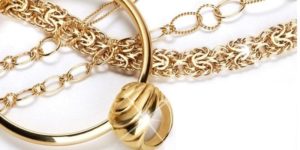
Gold jewelry has long captivated the hearts of those who appreciate its luster and intrinsic value. Among the various markings adorning these precious pieces, the numeric stamp “585” frequently arises, prompting intrigue and clarification. This index signifies a specific gold content, and understanding its implications extends beyond mere numbers; it delves into the nuances of craftsmanship, quality, and trust. In this article, we will explore what 585 means in the world of gold jewelry, decipher the various markings, and uncover the deeper layers of their significance.
The Basics of Gold Purity
Gold purity is measured in karats, with pure gold designated as 24 karats. Gold of lesser purity is then represented by dividing the number of karats by 24. In this framework, the “585” hallmark indicates that the piece consists of 58.5% pure gold, equivalent to 14 karats. The remaining 41.5% is typically made up of alloy metals such as copper or silver, giving gold jewelry its desired color, strength, and durability.
The Allure of Gold Markings
Gold markings serve not just as identifiers of alloy composition, but also as symbols of authenticity and craftsmanship integrity. Understanding these markings is essential for both consumers and collectors alike. It allows individuals to make informed decisions about their purchases, ensuring they select pieces that correspond to their preferences and expectations in quality. Beyond practicality, these marks can elicit a sense of trust, serving as a reassurance that a piece meets particular standards.
Decoding the Markings
In addition to the prominent “585” marking, jewelry may also feature other distinguishing stamps. For instance, “750” denotes 18 karats, while “417” signifies 10 karats. These figures are ratios of gold content to the total metal weight and are pivotal for potential buyers aiming to gauge quality. While “585” jewelry strikes a delicate balance between durability and beauty, “750” and “417” serve distinct purposes in terms of affordability and wearability.
The Impact of Alloys
The choice of alloy metals plays a significant role in determining the overall characteristics of gold jewelry. Copper is frequently used for 585 gold, imparting a distinct reddish hue loved by many for its warm appearance. Alternatively, when silver is employed as an alloy, the resulting gold exhibits a paler, more understated tone that can be equally appealing. Different combinations can also enhance the strength and resistance to tarnish, thus influencing the longevity of the jewelry.
High Demand & Market Value
In a world where aesthetic appeal and cultural significance intertwine, the demand for 585 gold jewelry persists. Its affordability compared to higher karat gold, combined with its indisputable beauty, makes it a popular choice among jewelry enthusiasts. Additionally, understanding the market dynamics surrounding gold can demystify its fluctuating value and investment potential. Consumers often find reassurance in purchasing jewelry that holds its worth over time—a tangible asset that can serve as both adornment and investment.
Global Standards and Importance of Certification
The global standards for gold purity vary greatly from one region to another. In Europe, for example, 585 is a standard hallmark, whereas in countries like the United States, terms such as “14K” may be more common. Such variations highlight the importance of certification, particularly for international transactions. Verification by a reputable assay office or a certified jeweler ensures the accuracy of the gold content, fostering increased consumer confidence in the marketplace.
The Essence of Craftsmanship
At the heart of any exquisite piece of jewelry lies skilled craftsmanship. Even with the “585” hallmark, it is essential to recognize that the artistry involved goes beyond metal content. The techniques employed in shaping, soldering, and finishing the jewelry contribute to its overall appeal and functionality. When purchasing gold jewelry, discerning customers often examine the quality of craftsmanship, as it directly influences both beauty and durability.
The Emotional Resonance of Gold
Gold jewelry frequently serves as more than a mere adornment; it sometimes embodies significant life milestones or familial legacies. From engagement rings to heirloom necklaces, the emotional resonance attached to gold pieces can be profound. The intricate markings, including “585,” enhance the story behind each item—creating layers of connection that transcend mere material value. For many, these pieces become vessels for memories and intergenerational bonds.
Caring for Your 585 Gold Jewelry
Preserving the allure of gold jewelry requires understanding the best cleaning and maintenance practices. Regular cleaning with a gentle soap solution and soft cloth can keep the piece sparkling, while avoiding exposure to harsh chemicals will prevent tarnishing. Additionally, proper storage in a fabric-lined box can safeguard against scratches and other damage. Knowledge of care ensures that your treasured 585 gold pieces endure through the years, safeguarding their beauty and sentimental value.
Conclusion
In summary, the “585” marking on gold jewelry is more than a mere figure. It represents intricate craftsmanship, a blend of metals, and the emotional resonance of personal stories. By decoding these markings and comprehending their implications, consumers can navigate the intricate world of gold jewelry with confidence. Whether as a fashion statement, a treasured heirloom, or an investment, 585 gold jewelry continues to hold a unique position in the hearts of many. As you explore this captivating realm, may you find pieces that not only enhance your aesthetic but also resonate deeply with your personal narrative.












