
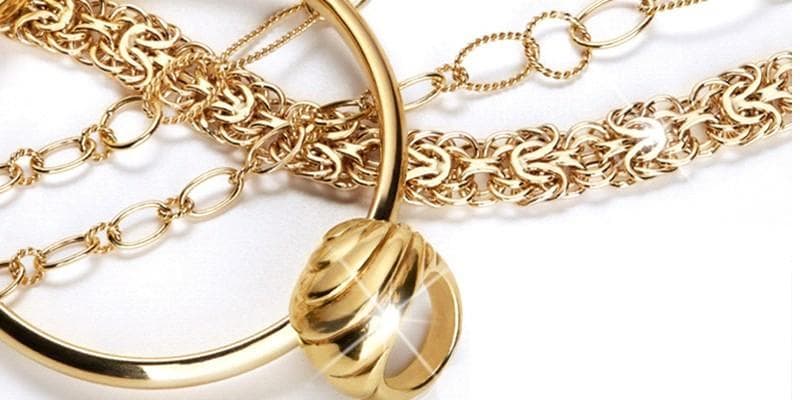
The world of jewelry is replete with fascinating nuances and intricacies, especially when it comes to the markings stamped onto gold pieces. Have you ever wondered what the number 585 signifies on your beloved gold jewelry? As you gracefully wrap a chain around your neck or slip a ring onto your finger, understanding these markings can enrich your appreciation of the piece. Engage your curiosity, for there is a treasure trove of information lying behind these seemingly simple numbers.
Markings like 585 can often raise eyebrows and spark inquiries. They may hinge on your interest in quality, authenticity, or simply a quest for knowledge when it comes to your jewelry collection. With this in mind, let’s delve into what 585 means in the grand tapestry of gold jewelry, exploring not just the number itself, but also its implications on purity, market value, and craftsmanship.
Understanding Gold Purity: The Basics of Karats
Gold purity is typically measured in karats, with 24 karats representing pure gold. Consequently, 585 indicates that the piece of jewelry contains 58.5% gold. This specific alloy is commonly known as 14-karat gold, or 14K. The remaining percentage, 41.5%, comprises various metals, such as silver, copper, or palladium, which are blended to enhance the durability, color, and overall appeal of the gold.
The incorporation of other metals creates different variations of gold, allowing for a spectrum of hues—be it yellow, white, or rose gold—each with its distinctive charm. While 24K gold is undeniably luxurious, it is also softer and more susceptible to scratching and bending. Thus, the strategic addition of other metals provides a practical solution to the inherent fragility of pure gold.
The Significance of 585 in Different Cultures
Globally, various regions utilize distinct designations for gold purity. For instance, while 585 is widely recognized in Europe, the United States typically favors the karat system. The cross-cultural interpretation of these markings deepens the intrigue. In Italy, for instance, 585 gold is equally valued highly but may be stamped as 14K. Conversely, in Japan, similar pieces may be marked differently due to varying purity standards. This confluence of traditions adds yet another layer of appreciation and context to your jewelry.
The Implications for Value
When considering the value of gold jewelry, purity plays an integral role. The purity represented by the 585 mark is crucial in determining not just the intrinsic value of the gold itself but also influencing the piece’s marketability. Jewelry stamped with higher purity values—like 750 or 916—is often more coveted and commands a higher price due to its increased gold content.
However, the allure of 585 gold extends beyond its purity level. The craftsmanship, brand reputation, and historical significance also contribute to the valuation. Renowned jewelers with esteemed legacies can elevate the worth of even non-precious metals involved in the crafting process, demonstrating that true value is multifaceted.
Wear and Tear: The Durability of 585 Gold
Do you fret over scratches or dullness on your pieces? While higher karat gold is more malleable and prone to scratches, 585 gold achieves a commendable balance between beauty and resilience. The amalgamation of metals not only increases durability but can also create intriguing color variations based on the combination. This durable quality makes 14K gold establish itself as a practical option for everyday wear, fusing allure with functionality.
The Aesthetic Appeal: Colors and Finishes
Imagine pairing a vivid gemstone with a gleaming band of 585 yellow gold; the vibrant contrast is simply mesmerizing. Jewelers often manipulate alloys to create a desired visual appeal. The addition of silver and copper imparts warmth and character to yellow gold, whereas nickel or palladium results in a cooler, white gold hue. Moreover, the finish on 585 gold ranges from polished to matte, each offering its unique personality. This versatility in aesthetics ensures that there’s something for everyone, catering to varied tastes and occasions.
Eco-Considerations: The Ethics Behind Gold Mining
As you contemplate the inherent value of your jewelry, it’s essential to consider the ethics surrounding gold mining. Responsible sourcing of materials is becoming increasingly significant to consumers. Traceable gold options, particularly those that respect labor rights and environmental standards, are increasingly preferred. The commitment to ethical practices transforms a beautiful piece of jewelry into a symbol of conscientious consumerism.
Conclusion: Embracing Your Expertise
Armed with knowledge about what the 585 marking signifies, you are now equipped to appreciate your jewelry collection on a profound level. Whether you merely admire the aesthetics or wish to become a discerning collector, understanding these intricacies transforms your perspective and connection to your adornments. So, the next time you don a piece of jewelry marked with 585, let it serve as a reminder of its rich history, craftsmanship, durability, and the ethical considerations surrounding it. With such an array of insights at your disposal, you can wear your jewelry with confidence and character, cherishing it not only for its beauty but also for the story it tells.












