
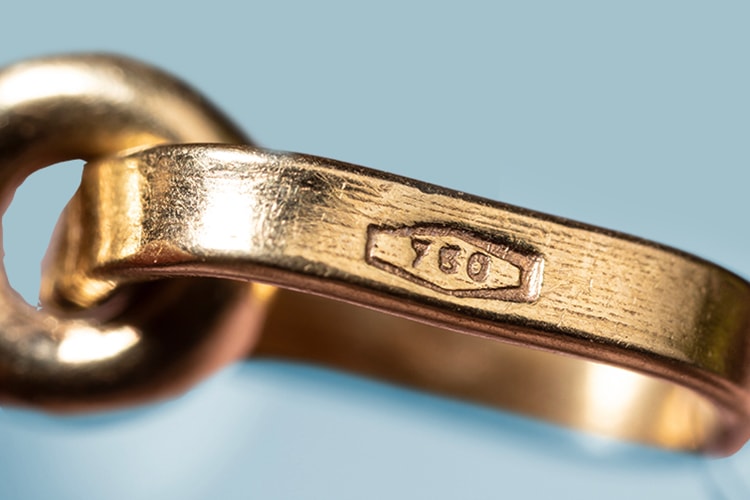
Gold jewelry often features various stamps or markings, which serve as indicators of quality, authenticity, and sometimes the maker’s initials. Among these stamps, one of the most commonly encountered is “750.” This numerical designation holds significant meaning and reflects a wealth of information that both novice and seasoned jewelry enthusiasts should appreciate. Understanding the implications of this stamp not only enhances one’s knowledge of precious metals but also deepens the appreciation for the craftsmanship involved in jewelry creation.
The Composition of 750 Gold
At its core, “750” signifies the purity of gold within a piece of jewelry. Specifically, it denotes that the item is composed of 75% pure gold, with the remaining 25% typically made up of other metals. In the realm of gold purity, the designation is expressed in parts per thousand, meaning that of every 1,000 parts, 750 are pure gold. This classification is frequently referred to as 18-karat gold, a term often used in jewelry to convey the quality of the gold content.
Understanding Gold Purity Hierarchies
To grasp the significance of 750 gold, it is essential to understand the hierarchy of gold purity. Gold purity is measured in karats (K) or fineness, with 24 karats representing pure gold. Here’s a brief overview of common gold classifications:
- 24K Gold: 99.9% pure gold, the highest purity level.
- 22K Gold: 91.6% pure gold, typically regarded as very high quality.
- 18K Gold: 75% pure gold, commonly used in fine jewelry.
- 14K Gold: 58.3% pure gold, popular in jewelry production.
- 10K Gold: 41.7% pure gold, often the minimum standard in some jurisdictions.
Each increment in purity correlates with certain qualities, such as color, malleability, and durability. The richness of color in higher karat gold varieties is highly coveted, as is the balance between softness and strength, making it more suitable for intricate designs.
Aesthetic Appeal Versus Practicality
The allure of 750 gold lies not only in its composition but also in its aesthetic and practical properties. It often strikes a desirable balance between the vivid, luxurious hue of gold and the enhanced durability bestowed by alloying metals such as copper, silver, or palladium. This combination results in jewelry that is not only visually appealing but also resilient enough for everyday wear. Consumers may find themselves enchanted by 750 gold’s timeless elegance, which complements both casual and formal attire.
Identifying 750 Gold
When shopping for gold jewelry, it is prudent for buyers to familiarize themselves with various gold stamps and markings. A piece marked with “750” should also be verified for additional quality assurance signs, such as the manufacturer’s mark or other relevant stamps indicative of authenticity. Understanding these markings empowers consumers to make informed purchasing decisions, which is particularly important in a market teeming with imitation products.
The Alloys of 750 Gold
The alloys used in 750 gold can vary significantly, impacting both the color and properties of the final product. Common alloying metals include:
- Copper: Often used to impart a warmer, reddish hue.
- Silver: Known for producing a lighter, more yellowish tone.
- Palladium: A modern addition that enhances anti-tarnish characteristics.
With these alloys, manufacturers can create a range of aesthetic variations. This versatility ensures that jewelry made with 750 gold can cater to a plethora of styles and preferences. From traditional yellow gold to contemporary white gold, the options remain appealing to diverse consumer tastes.
The Market for 750 Gold
The Cultural Significance of Gold Stamps
The fascination with gold stamps such as 750 also delves into cultural and historical realms. Gold has been revered across civilizations for millennia, symbolizing wealth, power, and even divinity. In contemporary contexts, jewelry stamped with 750 not only signifies quality but embodies the artistry, traditions, and individual narratives woven into each piece. It offers a tangible connection to heritage, bridging the gap between the past and the present.
Final Thoughts
In conclusion, the significance of the “750” stamp on gold jewelry extends far beyond its numerical representation of purity. Understanding what this marking conveys enhances appreciation for the craftsmanship and artistry of jewelry design. Furthermore, being aware of its implications can empower consumers to make educated choices, ensuring that their investments in gold jewelry resonate with elegance, durability, and cultural significance. As one navigates the world of gold, the allure of stamps like 750 will continue to intrigue and inspire for generations to come.












