
In the vast landscape of automotive performance, the term “2.0 Turbo” is a phrase that evokes intrigue. It represents a blend of engineering ingenuity and driving ecstasy. But what exactly does a 2.0 Turbo mean? To understand this term, one must delve deeper into the intricacies of engine performance, turbocharging technology, and the resultant implications for car enthusiasts and everyday drivers alike.
At its most fundamental level, a “2.0 Turbo” designates a turbocharged internal combustion engine with a displacement of 2.0 liters. Engine displacement refers to the total volume of all the cylinders in an engine, and it is typically measured in liters. A turbo, short for turbocharger, serves as a forced induction system that enhances the engine’s power output by forcing more air into the combustion chamber. This dual-component system offers more power and efficiency than naturally aspirated engines.
Imagine the thrill of driving a vehicle that can effortlessly merge onto a highway, thanks to its turbocharged prowess. This isn’t just about straightforward acceleration; it encapsulates a transformative experience, where engineering blends with artistry. The beauty of a 2.0 Turbo engine lies in how it delivers power efficiently. Instead of relying solely on size and cylinder count to create horsepower, engineers have harnessed the art of turbocharging to provide an exhilarating driving experience.
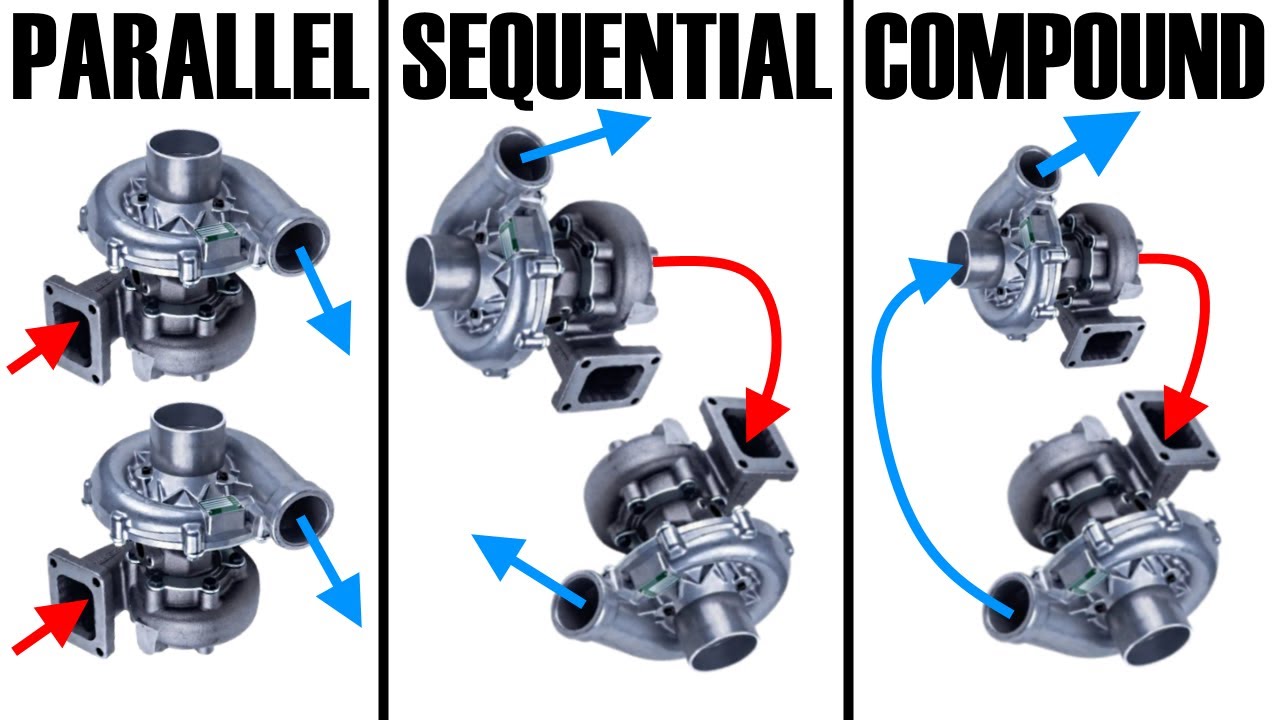
Now, let’s dissect the turbocharger itself. The device consists of two main components: the turbine and the compressor. The turbine is driven by exhaust gases produced during combustion, allowing it to spin at exceedingly high speeds. As the turbine spins, it activates the compressor, which forces more air into the engine. This increase in airflow enables the combustion process to be more robust, allowing for greater fuel efficiency and power without significantly expanding the engine’s size. It’s a masterclass in the maximization of engine performance—providing the benefits of a larger engine without the additional weight.
The synergy created by the 2.0 Turbo setup can be particularly astonishing. Typically, a naturally aspirated 2.0-liter engine might produce modest power levels. However, with the application of turbocharging, engine outputs can leap dramatically—often topping the 200-horsepower mark with ease. This surge of power transforms driving from a mundane task into a riveting adventure. Furthermore, modern turbocharged engines often feature advanced technologies like variable geometry turbines and intercoolers, which further optimize performance by managing airflow and temperature.
However, it’s not all about raw power. The allure of the 2.0 Turbo extends into the realm of efficiency. Turbochargers allow engines to maintain a higher power-to-weight ratio, which often results in improved fuel economy compared to similarly powerful naturally aspirated engines. Drivers can experience spirited performance while still enjoying commendable miles per gallon—an enticing offer for the modern motorist who seeks both thrills and value.
An essential aspect of driving a 2.0 Turbo vehicle is the experience of torque delivery. Torque is the rotational force created within the engine, and when you mash the accelerator in a 2.0 Turbo car, you can feel that force kick in almost instantaneously. Unlike naturally aspirated engines that may struggle with a power plateau, turbocharged engines often provide a more linear and sustained torque curve. This means that regardless of your speed, there’s always sufficient power on tap, making the vehicle feel agile and responsive in various driving situations.
Moreover, the 2.0 Turbo configuration can be found in diverse automotive applications. From compact sports cars to midsize crossover SUVs, the versatility of this engine design is remarkable. For instance, small hatchbacks gain a competitive edge on the autocross track, while larger vehicles comfortably navigate city streets, providing utility without sacrificing performance. It’s this adaptability that has cemented the popularity of turbocharged engines in the current automotive market.
The advent of turbocharging technology is not without its challenges, however. As manufacturers push the boundaries of performance, they must balance power output with durability and reliability. A mismanaged turbo system can lead to premature wear-and-tear or even catastrophic failure in certain scenarios, making regular maintenance essential. Brands that equip their vehicles with a 2.0 Turbo engine invest heavily in engineering tests to ensure longevity and performance consistency, a commitment that car buyers should seriously consider.
In contemplating the future of automotive engineering, one must acknowledge the evolving landscape of emissions regulations and environmental concerns. Turbocharged engines, particularly the 2.0 version, are becoming increasingly crucial in meeting stringent emissions standards. By optimizing fuel consumption and reducing waste, these engines represent a proactive approach to sustainability without compromising the driving experience.
As we transition to an era of electrification and hybrid technology, the 2.0 Turbo stands as a testament to the brilliance of internal combustion engineering—a harmonious fusion of power, efficiency, and performance. The landscape continues to evolve, and drivers are poised at the helm of innovation that promises excitement and ecological responsibility.
In summary, the term “2.0 Turbo” is a gateway to understanding revolutionary automotive technology that empowers today’s drivers. By blending advanced engineering with consumer desires for performance and efficiency, turbocharged engines have redefined what it means to drive. For those seeking thrilling sensations behind the wheel, the wonders of the 2.0 Turbo beckon. Engage in this exhilarating experience, and discover the true potential of a modern marvel on four wheels.












