
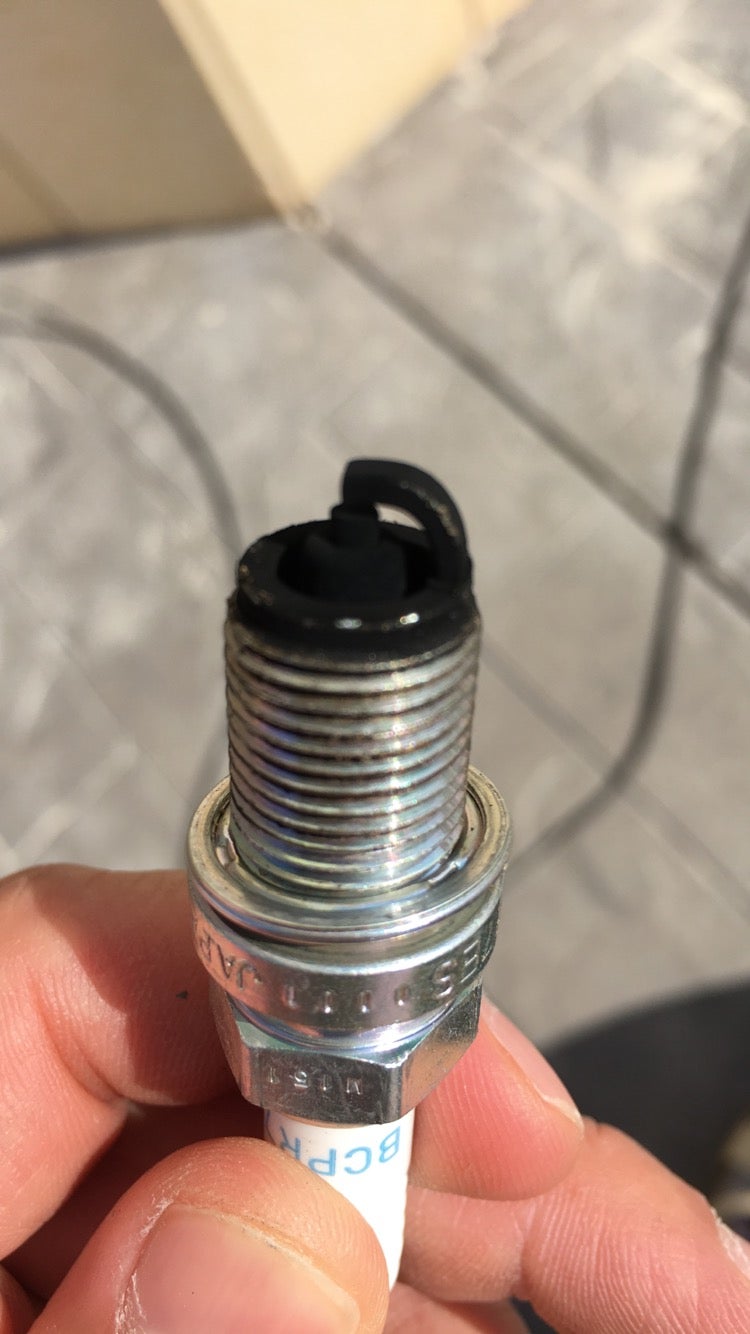
When examining the inner workings of an engine, few components play as pivotal a role as the spark plug. This small yet mighty element ignites the air-fuel mixture in our vehicles, effectively transforming chemical energy into mechanical power. However, if a spark plug appears black, it can serve as an ominous warning sign. But what does it truly signify? Allow us to delve into the intricacies of this phenomenon and uncover its implications for your engine, illuminating the path to better vehicle performance.
Understanding the Role of Spark Plugs
Before we embark on the exploration of blackened spark plugs, it’s beneficial to grasp their fundamental function. Spark plugs not only ignite fuel but also facilitate a series of complex reactions that ultimately drive the engine’s pistons. They are exposed to extreme temperatures and pressures, making their health imperative for optimal performance. A healthy spark plug is essential for proper combustion, fuel efficiency, and overall engine longevity.
The Color Code: Deciphering the Spark Plug
A spark plug’s condition can be assessed by examining its ceramic insulator and electrodes. Multiple colors can signify different issues, with a blackened appearance meriting particular scrutiny. Generally, a healthy spark plug features a light tan or gray hue. Thus, the emergence of black can be indicative of deeper engine troubles.
1. Carbon Buildup: A Prolific Culprit
One of the primary reasons a spark plug may appear black is the accumulation of carbon deposits. Carbon buildup can result from incomplete combustion, often due to a rich fuel mixture. When the engine is supplied with too much fuel relative to the amount of air, the combustion process becomes inefficient, leading to unburned fuel. Over time, this manifests as black soot on the spark plug, which can impair its functionality and hinder ignition.
2. Excessive Fuel Injected
Similarly, fuel injectors that are malfunctioning can contribute to a blackened spark plug. If an injector is stuck open or is delivering fuel too liberally, it can lead to a fuel-rich environment in the combustion chamber. This excess can translate into poorer gas mileage and an overall decline in engine response. Thus, identifying and rectifying injector issues becomes paramount when faced with this alarming indicator.
3. Oil Leakage: An Oily Affair
An overlooked yet significant factor in the blackening of spark plugs is oil leakage into the combustion chamber. This can occur due to worn piston rings or valve seals, which can allow engine oil to infiltrate the area meant for the air-fuel mixture. When the oil burns, it leaves carbon deposits, thus tarnishing the spark plug. A persistent oily residue can also lead to more profound engine damage if left unaddressed.
4. Cooling System Malfunction
An underperforming cooling system can exacerbate the issue. If an engine operates at temperatures that are too low, combustion does not reach optimal levels, resulting in unburned fuel accumulation. This scenario can lead to black, sooty spark plugs. It’s crucial to ensure that your cooling system is functioning correctly, as overheating or underheating can both spell trouble.
5. Short Trips and City Driving
Certain driving habits may inadvertently contribute to the blackening of spark plugs. Frequent short trips or prolonged idling can prevent the engine from reaching its full operating temperature. This stunted thermal efficiency can hinder complete combustion, especially in colder temperatures. As a result, soot buildup on spark plugs becomes an almost inevitable consequence of this driving style.
Identifying Symptoms Related to a Black Spark Plug
Beyond visual inspections, a black spark plug may accompany a series of adverse symptoms that warrant attention. Symptoms may include:
- Decreased Engine Performance: A noticeable lack of power or hesitation during acceleration can imply combustion inefficiencies.
- Poor Fuel Economy: If refueling occurs more frequently than expected, it could time the balance of air and fuel.
- Unusual Engine Sounds: Knocking or pinging noises often signify misfires linked to compromised spark plugs.
Tackling the Issue: Preventive Measures and Solutions
Identifying a black spark plug is merely the first step; subsequent actions are crucial. Here are several steps to remediate this problem:
- Diagnosis: Employ diagnostic tools to evaluate the fuel system and identify any errant fuel injectors or faulty components.
- Regular Maintenance: Schedule routine maintenance, focusing on replacing spark plugs according to the manufacturer’s recommendations.
- Monitor Driving Habits: Adapt driving practices, allowing for longer trips to ensure the engine reaches its operational temperature.
- Cooling System Check: Ensure the cooling system is in optimal condition, addressing any leaks or inefficiencies that could impact temperatures.
Conclusion: A Call to Action for the Engine Enthusiast
The revelation of a black spark plug should be viewed not just as a concern but as an invitation to delve deeper into the heart of your vehicle. By embracing the nuances of engine management and prioritizing preventative maintenance, you can ensure not only the longevity of your spark plugs but also the robustness of your entire engine. This journey of discovery will empower you to maintain a well-tuned engine, ultimately leading to enhanced performance and a more enjoyable driving experience. Ignoring the signs no longer needs to be an option; it’s time to take action.












